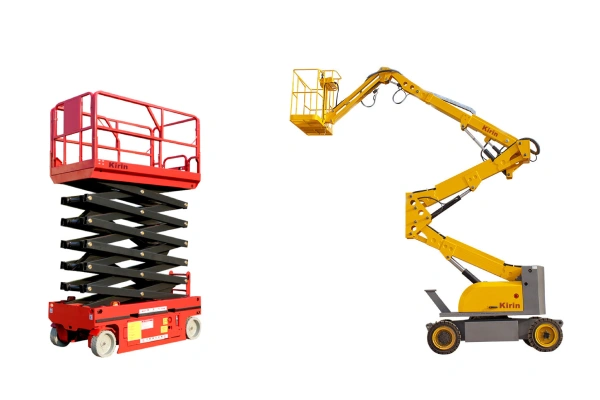
Working at heights requires precision, the right equipment, and an uncompromised commitment to safety. A scissor lift with extendable platform is one of the most versatile tools on modern jobsites, offering workers the vertical lift they need alongside extra horizontal reach. However, that added reach changes the machine’s physics and balance.
Whether you are navigating a tight warehouse or working on an outdoor construction site, understanding how to operate a scissor lift with extendable platform safely is critical to preventing accidents and ensuring efficiency.
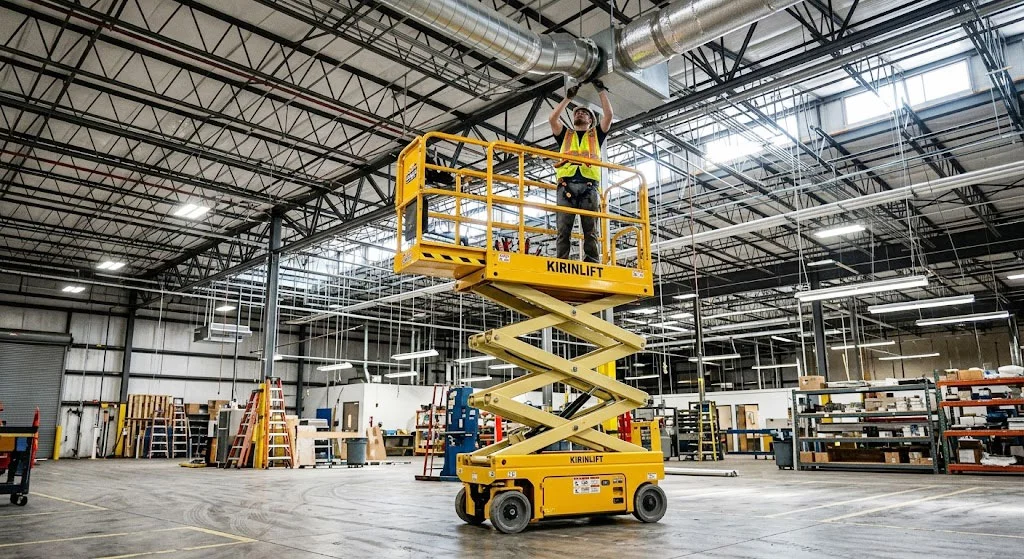
What Is a Scissor Lift with Extendable Platform?
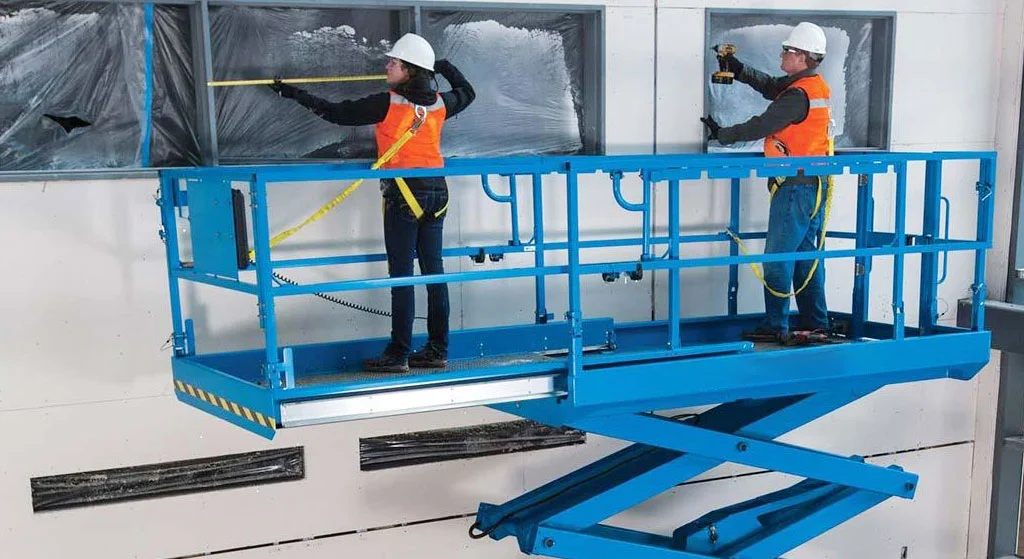
A scissor lift with extendable platform is a mobile elevating work platform (MEWP) equipped with a rollout or slide-out deck extension. While standard scissor lifts only move straight up and down, a scissor lift with extendable platform allows operators to extend the workspace horizontally over obstacles, such as machinery, piping, or countertops.
These machines come in various sizes, ranging from a small scissor lift with extendable platform designed for narrow indoor aisles to heavy-duty rough-terrain models. The scissor lift platform extension provides that crucial extra bit of clearance, making it an indispensable asset for electrical, maintenance, and finishing work.
Key Safety Risks of Using an Extendable Platform
While a scissor lift with extendable platform increases functionality, extending the deck shifts the machine’s center of gravity. This introduces specific operational risks that every crew member must understand.
Platform Overloading
Every scissor lift with extendable platform has strict weight limits. The crucial detail most operators miss is that the scissor lift extension platform usually has a lower weight capacity than the main deck. Overloading the extension can cause structural failure or unexpected tipping.
Tip-Over Hazards
When you deploy an extendable scissor lift deck, the machine becomes more sensitive to shifts in balance. Wind gusts, uneven ground, sudden movements, or leaning too far over the guardrails can easily cause a tip-over accident.
Fall Hazards
Working on an extendable platform scissor lift means working at elevated heights. Leaving the entry gates open, standing on the mid-rails, or failing to use proper fall protection can result in catastrophic falls.
Pinch and Crush Points
The mechanical track and lock system of a scissor lift extendable platform creates severe pinch points. Operators risk crushing their hands or fingers when sliding the deck out or locking it back into place.
Pre-Operation Inspection Checklist
Before turning on a scissor lift with extendable platform, a thorough walk-around inspection must be performed.
Inspect the Extension Deck
Check the tracks, rollers, and locking pins of the scissor lift extension platform. Ensure the deck slides smoothly and locks securely into its designated positions. Look for any debris, bent metal, or cracked welds along the slide mechanism.
Check Hydraulic and Electrical Systems
Look beneath the chassis for fluid leaks. Ensure all hydraulic hoses are intact and that the electrical wiring harnesses show no signs of fraying or damage.
Examine Tires and Stabilizers
Inspect the tires for gouges, embedded debris, or flat spots. If your model features outriggers or stabilizers, verify they deploy fully and show no signs of structural wear.
Verify Safety Devices
Test the emergency stop buttons, the tilt alarm, the descent alarm, and the pothole protection guards. Never operate a scissor lift with extendable platform if any safety device is malfunctioning.
How to Properly Operate a Scissor Lift with Extendable Platform
Operating an extendable scissor lift requires deliberate, steady actions. Always follow these standard steps:
- Clear the Area: Ensure the ground beneath and around the lift is clear of personnel, debris, and overhead obstructions like power lines.
- Elevate to Height: Drive the lift into position on level ground and elevate the main platform to the required working height.
- Deploy the Extension: Release the manual platform lock (usually a foot pedal or hand lever). Firmly grip the guardrails and push the scissor lift platform extension outward until it reaches the desired length.
- Lock it in Place: Ensure the locking pins completely engage into the slide tracks before stepping onto the extended area.
- Retract Before Moving: Never drive the machine long distances or lower the lift fully with the extension still deployed unless specified by the manufacturer’s manual.
Weight Capacity and Load Distribution Rules
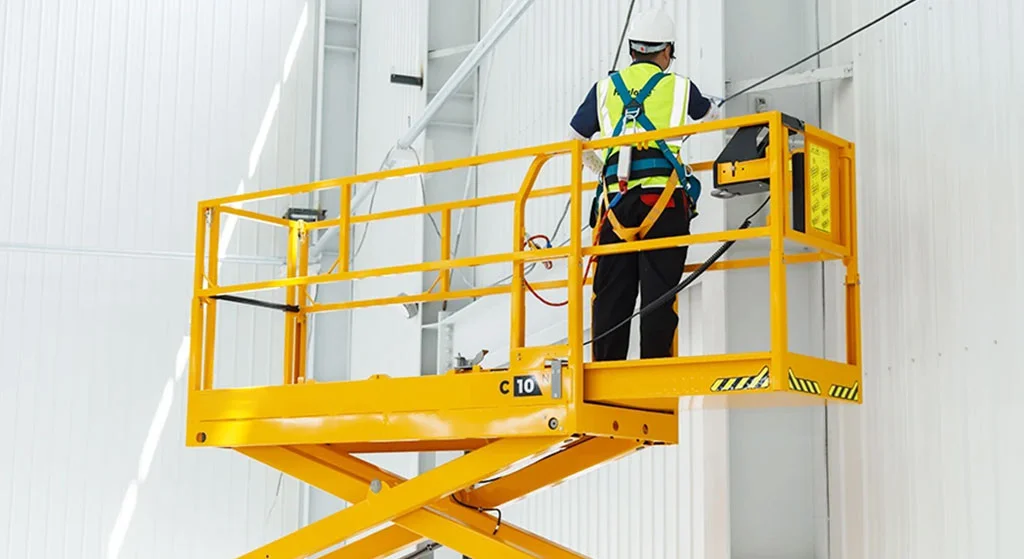
Managing your load distribution is the absolute golden rule of using an extendable platform scissor lift.
Important Capacity Rule: If a lift has a total capacity of 1,000 lbs, the extended deck might only be rated for 250–300 lbs of that total.
Always distribute heavy materials (like drywall, pipes, or tools) over the center of the main deck, closer to the scissor legs. The scissor lift with extension platform should only support the operator and immediate light tools. Never rest heavy loads entirely on the extended edge.
Best Practices for Indoor and Outdoor Use
The environment dictates how you handle a scissor lift with extendable platform.
- Indoor Use: Often relies on a small scissor lift with extendable platform. Watch for overhead clearance, such as fire sprinklers, ceiling trusses, and light fixtures. Ensure the floor can support the concentrated weight of the machine.
- Outdoor Use: Wind is your primary enemy outdoors. Most manufacturers mandate that a scissor lift with extendable platform must not be elevated if wind speeds exceed 28 mph (45 km/h). Always deploy outriggers on outdoor surfaces to counteract wind leverage against an extended deck.
OSHA Safety Requirements for Scissor Lifts
OSHA classifies scissor lifts as mobile scaffolding, meaning they fall under standard 29 CFR 1926.451. Key compliance metrics include:
- Guardrails: Guardrails must be fully intact. If the guardrail system is complete, OSHA does not strictly require a personal fall arrest system (PFAS), though jobsite rules or specific manufacturer instructions often override this and mandate a harness and lanyard.
- Stable Surface: Lifts must only be operated on firm, level surfaces free of pits or slope transitions.
- No Improvised Height: Operators are strictly prohibited from standing on the guardrails or using ladders/boxes on top of the scissor lift platform extension to gain extra reach.
Maintenance Tips for Extendable Platforms
To keep your scissor lift with extendable platform operating reliably, prioritize these maintenance points:
- Clean the Tracks: Debris, drywall dust, and mud collect in the extension slide tracks. Clean them weekly to prevent the deck from jamming.
- Lubricate Correctly: Apply manufacturer-approved lubricant to the rollers and locking pin mechanisms so the scissor lift extendable platform deploys smoothly without excessive physical force.
- Structural Checks: Routinely inspect the stop-bolts at the end of the slide rails. These bolts prevent the extension from sliding completely off the tracks.
Common Operator Mistakes to Avoid
Avoiding these frequent errors will protect your crew and your equipment:
- Driving while extended: Trying to maneuver the wheelbase over rough ground while the center of gravity is thrown off by an extended platform.
- Yanking stuck objects: Using the leverage of the scissor lift with extension platform to pull wires or pipes loose from a ceiling, which can cause a sudden rebound and tip the machine.
- Ignoring the tilt alarm: Continuing to work or extend the platform after the chassis tilt sensor sounds its warning.
How to Choose the Right Scissor Lift with Extendable Platform
When selecting a scissor lift with extendable platform for your next project, evaluate these three variables:
- The Reach Needed: Measure both the vertical height and the specific horizontal gap you need to clear.
- Terrain Conditions: Choose non-marking solid tires for indoor slabs, or four-wheel drive rough-terrain packages for muddy outdoor jobsites.
- Stowed Dimensions: If you must navigate standard doorways or tight elevators, a specialized small scissor lift with extendable platform is required.
Conclusion
A scissor lift with extendable platform is a highly efficient tool that solves complex reach problems on the jobsite. However, its utility depends entirely on the operator’s respect for gravity, capacity weight limits, and proper locking mechanisms. By performing diligent pre-operation inspections and practicing smart load distribution, your team can leverage the full power of an extendable scissor lift while keeping everyone safely on solid ground.
If you have questions about equipment specifications, custom options, or safety compliance, our team of aerial lift experts is here to help. Reach out to Kirin Lift today via Email at info@klingtec.com or connect with us instantly on WhatsApp at +86 188 6686 3188. Let’s make your next project both productive and perfectly safe.
FAQ Section
What is a scissor lift with extendable platform?
It is a vertical lift equipped with an additional slide-out horizontal deck. This design allows workers to reach across gaps or over obstacles without moving the base of the machine.
How much weight can an extendable platform hold?
Weight capacities vary by model, but the extended portion always holds less weight than the main platform. Check the capacity placard on your specific lift; typically, extensions are rated for around 250 to 300 lbs.
Can you drive a scissor lift with the platform extended?
While some models allow minor positioning adjustments while extended, it should generally be avoided. Driving an extendable platform scissor lift while extended increases the risk of tipping over due to ground imperfections.
Are extendable platforms safe for outdoor use?
Yes, provided wind speeds are below the manufacturer’s limit (typically 28 mph) and the lift is positioned on a firm, level surface with stabilizers deployed if equipped.
Do operators need certification to use a scissor lift?
Yes. OSHA requires all operators to be fully trained and certified on the specific class of MEWP they are using before operating the machinery on a worksite.