Navigating the complexities of modern facility management, construction, and maintenance requires the right tools to bridge the gap between the floor and the ceiling. While scaffolding and ladders have been the traditional go-to solutions, the industry has seen a massive shift toward specialized machinery. One of the most efficient tools in this category is the single mast aerial work platform.
Whether you are managing a high-end retail space, a bustling warehouse, or a historic theater, understanding the benefits of a single mast aerial work platform can significantly improve your operational efficiency and safety protocols. This guide explores why this specific equipment has become a staple for elevated tasks across various industries.
What Is a Single Mast Aerial Work Platform?
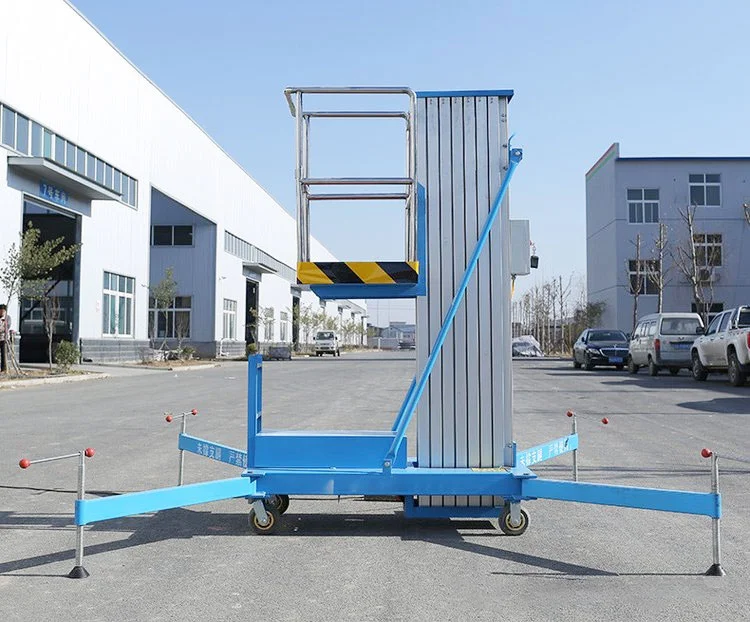
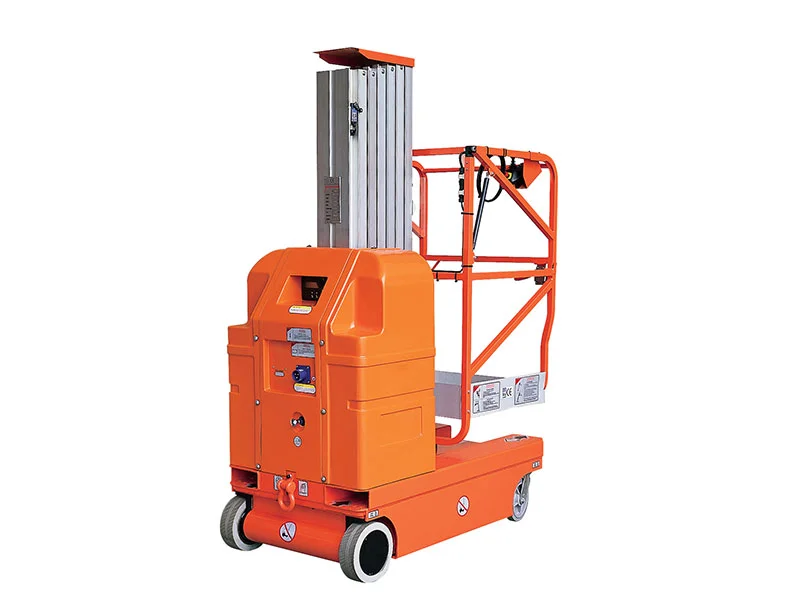
A single mast aerial work platform is a type of vertical lift designed to carry a single worker and their essential tools to high elevations. Unlike larger machinery, it utilizes a single telescopic aluminum alloy mast that extends upward from a compact base.
Often referred to as a compact one man lift, these machines are built for verticality. They don’t typically offer significant horizontal reach, but they excel at providing a stable, secure, and motorized way to reach heights that would be dangerous or impractical with a ladder. Because the mast is constructed from high-strength, lightweight materials, the single mast aerial work platform provides a unique balance of structural integrity and maneuverability.
Unlike a dual mast aerial work platform or a double mast aerial work platform, which are designed for two people or heavier loads, the single mast version is the ultimate “solo” tool, prioritizing a small footprint and ease of transport over raw lifting capacity.
Key Advantages of a Single Mast Aerial Work Platform
1. Compact and Space-Saving Design
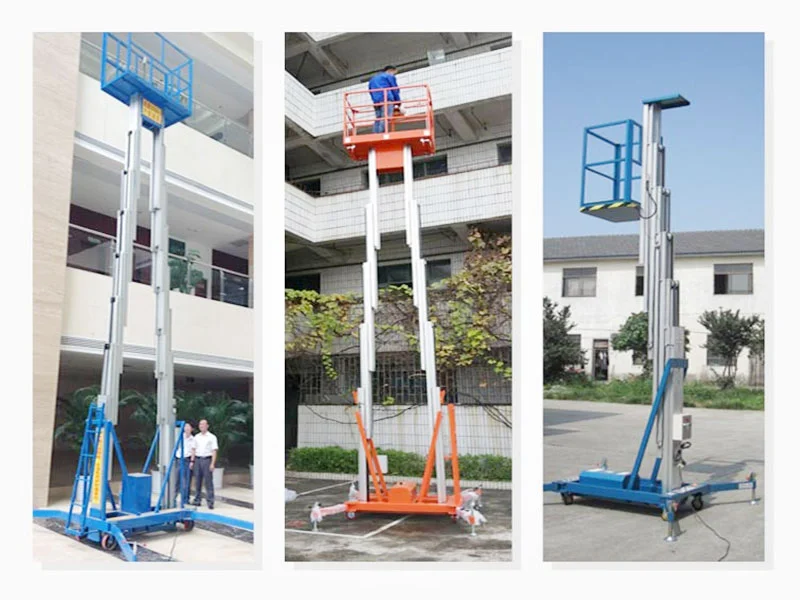
One of the most immediate benefits of the single mast aerial work platform is its incredibly small footprint. In many commercial settings, such as narrow library aisles or crowded retail floors, space is at a premium. A single mast aerial work platform is often narrow enough to pass through standard single doorways and fit inside passenger elevators.
2. Lightweight and Portable
Weight is a critical factor when working on sensitive flooring. A single mast aerial work platform is significantly lighter than its hydraulic counterparts. Most models can be easily pushed by a single person, ensuring you can move the single mast aerial work platform from one job site to another without heavy-duty towing equipment.
3. Easy Operation
Efficiency on a job site often depends on how quickly a worker can get to the task at hand. The single mast aerial work platform is designed for intuitive use, featuring “plug-and-play” controls both at the ground level and within the platform itself.
4. Cost-Effective Solution
From an investment standpoint, the single mast aerial work platform offers a high return on investment (ROI). It is generally more affordable to purchase and maintain than larger double mast aerial work platform units or complex boom lifts.
5. Enhanced Safety Features
Safety is the paramount concern when working at height. A single mast aerial work platform provides a much more secure environment than a traditional ladder, featuring outriggers with interlocks and emergency lowering valves.
6. Ideal for Indoor Applications
Because most single mast aerial work platform models are battery-powered, they produce zero emissions and operate with low noise levels. This makes them perfect for “live” environments like schools and offices.
7. Versatile Working Heights
While compact, a single mast aerial work platform provides impressive vertical reach. This allows a single technician to handle tasks from 6 meters up to 12 meters with total stability, making it a superior lift for one person. and exhaust fumes would be disruptive or hazardous.
Common Applications of Single Mast Aerial Work Platforms
The versatility of a single mast aerial work platform makes it a favorite across diverse sectors. Here are the most common ways this lift for one person is utilized:
- Maintenance and Repair Tasks: Changing HVAC filters, repairing overhead sprinklers, or inspecting ceiling structures in high-ceilinged buildings.
- Electrical and Lighting Installation: Replacing burnt-out bulbs or installing new fixtures in gymnasiums, auditoriums, and hotel lobbies.
- Warehouse Inventory Management: While not a replacement for a forklift, a single mast aerial work platform is excellent for manual stock picking or checking inventory on high shelves in narrow aisles.
- Cleaning and Facility Management: Dusting high ledges, cleaning windows, or hanging seasonal decorations in commercial plazas.
- Retail and Commercial Setups: Updating point-of-sale displays or signage in environments where floor space is limited by shelving and customers.
Comparison with Other Aerial Work Platforms
Choosing the right lift requires understanding how the single mast aerial work platform stacks up against its bigger brothers.
Single Mast vs. Scissor Lifts
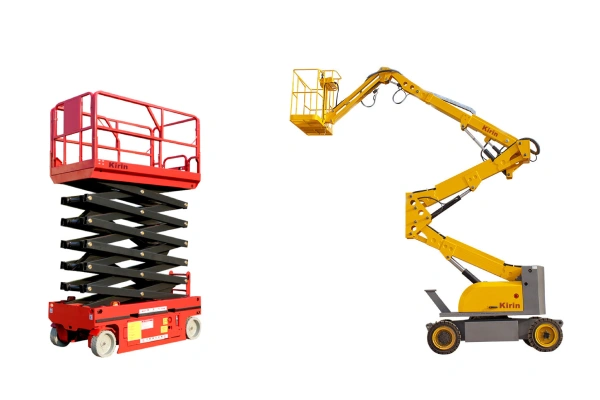
A scissor lift typically has a larger platform and a much higher weight capacity, often allowing for multiple workers. However, scissor lifts are heavy and wide. If you need to fit through a 30-inch doorway, a scissor lift won’t make it, but a single mast aerial work platform will. The single mast is the clear winner for portability, while the scissor lift wins for platform “real estate.”
Single Mast vs. Boom Lifts
Boom lifts offer “up and over” reach, allowing you to access spots that aren’t directly above the base. However, they are massive, expensive, and usually require a specialized license to operate. A single mast aerial work platform is strictly for vertical access. If your task is directly overhead, the simplicity of a single mast aerial work platform is far more efficient than maneuvering a bulky boom.
When to Choose a Single Mast Over Other Options
You should opt for a single mast aerial work platform when:
- The job requires only one person.
- The floor load capacity is limited.
- Access is through standard doors or elevators.
- The budget is a primary concern.
If you find that you frequently need two people at height or need to carry heavy machinery upward, you might consider a dual mast aerial work platform or double mast aerial work platform, which provides a larger platform and greater stability for two-person tasks.
Limitations to Consider
While the single mast aerial work platform is a powerhouse of efficiency, it is not a “one-size-fits-all” tool. There are certain limitations to keep in mind:
- Lower Weight Capacity: These units are generally rated for 125kg to 150kg. This includes the weight of the operator plus their tools. If you need to lift heavy materials like HVAC units or large glass panes, a single mast aerial work platform may not be sufficient.
- Limited Horizontal Reach: You must be able to position the base directly under (or very close to) the work area. There is no “jib” or “boom” to reach over obstacles.
- Best Suited for Light-Duty Tasks: They are perfect for inspection, painting, and light electrical work, but they aren’t designed for heavy masonry or structural steelwork.
How to Choose the Right Single Mast Aerial Work Platform
To ensure you get the most out of your investment, consider these four factors before purchasing or renting a single mast aerial work platform:
1. Working Height Requirements
“Platform height” and “working height” are different. If the platform goes to 8 meters, your working height is approximately 10 meters (adding the reach of the human arm). Always choose a single mast aerial work platform that gives you a bit of a buffer so you aren’t constantly working at the machine’s maximum limit.
2. Load Capacity
Calculate the weight of your heaviest operator plus the heaviest toolkit they might use. If the total is close to 130kg, ensure your single mast aerial work platform is rated for at least 150kg to maintain a margin of safety.
3. Indoor vs. Outdoor Usage
Most single mast aerial work platform units are designed for indoor use on level surfaces. If you plan to use one outdoors, you must ensure the model is rated for wind loads. A light, high-profile machine can be unstable in gusty conditions.
4. Power Source: Battery vs. Manual
- DC Battery Power: Offers the most convenience, allowing the lift to operate without a trailing power cord. Ideal for large facilities.
- AC Power: Requires being plugged into a wall outlet. These are often lighter and cheaper but limit your range of motion based on the length of your extension cord.
- Manual Push vs. Self-Propelled: Most single-mast units are “push-around,” but some premium models are self-propelled, allowing you to drive the unit from the platform.
Conclusion
The single mast aerial work platform represents a perfect marriage of safety and simplicity. For facilities that prioritize vertical access in tight spaces, this compact one man lift is an unbeatable asset. It eliminates the risks associated with shaky ladders and the logistical nightmares of bulky scaffolding.
By choosing a single mast aerial work platform, you are investing in a tool that protects your workers, speeds up maintenance cycles, and fits seamlessly into the modern built environment. While it may not have the heavy-duty capacity of a double mast aerial work platform, its agility and cost-effectiveness make it the premier choice for a wide array of elevated tasks.
If you are looking for the perfect lift for one person to enhance your facility’s safety and productivity, our team is ready to help you find the ideal model. For inquiries, specifications, or a custom quote, feel free to reach out to us at Email: info@klingtec.com or send us a message via WhatsApp: +86 188 6686 3188. We look forward to helping you reach new heights with a reliable single mast aerial work platform.
FAQ
Can a single mast aerial work platform be used by two people?
No. A single mast aerial work platform is strictly a lift for one person. If your task requires two people, you should look into a dual mast aerial work platform which is designed with a wider base and two masts to support the extra weight and balance.
Is a license required to operate a single mast aerial work platform?
While requirements vary by country and region (such as OSHA in the US or IPAF in Europe), most jurisdictions require “authorized training.” Because it is a motorized lift, the employer must ensure the operator is competent and has read the specific manual for that single mast aerial work platform.
Can I use a single mast aerial work platform on a sloped surface?
Generally, no. These machines are designed for use on level, firm ground. Most single mast aerial work platform models include a leveling bubble and interlocked outriggers that prevent the lift from rising if the base is at an unsafe angle.
How often does a single mast aerial work platform need maintenance?
Typically, a thorough inspection should be conducted pre-shift, with professional servicing every six months to a year. Key areas of focus include the hydraulic fluid levels, battery health, and the integrity of the mast chains or cables.
Is a single mast aerial work platform better than a ladder?
In terms of safety and productivity, yes. A single mast aerial work platform allows the worker to use both hands for the task and provides a stable guardrail, whereas ladders require “three points of contact,” significantly limiting what a worker can actually do once they reach the top.