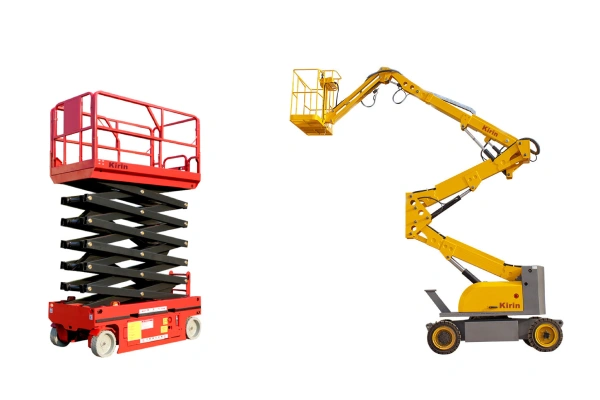
The modern construction site is a marvel of engineering, and getting workers and materials to elevated positions safely and efficiently is paramount. Enter the scissor lift—a staple piece of equipment known for its stability, large platform size, and robust lifting capability. But not all lifts are created equal. Understanding the different types of scissor lifts is key to optimizing your project’s efficiency and safety.
In this deep dive, we’ll explore the primary types of scissor lifts used in construction today, detailing their unique mechanisms, ideal applications, and operational environments. By the end, you’ll know exactly which lift is the right tool for your next job.
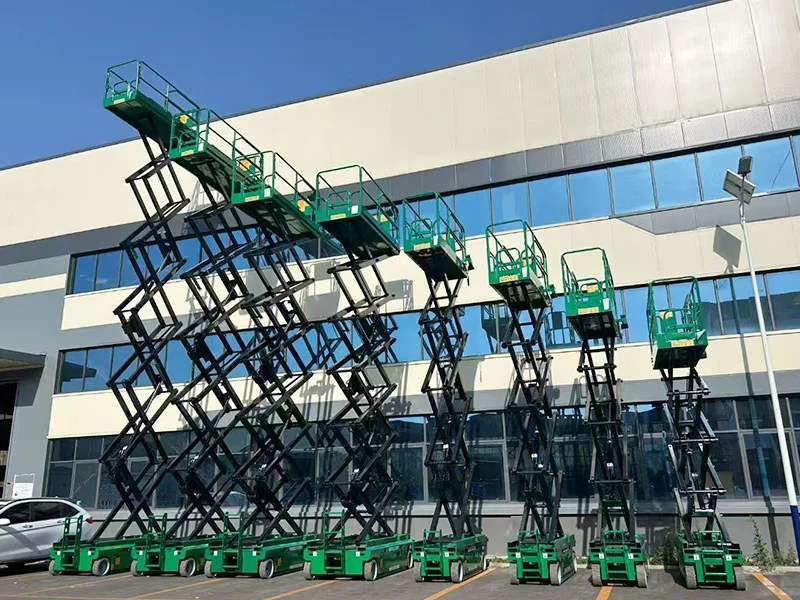
Type 1: Hydraulic Scissor Lifts
Hydraulic scissor lifts are perhaps the most common and traditional variation you’ll encounter. They are the backbone of many indoor and outdoor construction tasks, recognized for their straightforward, dependable lifting action.
How They Work
The mechanism of a hydraulic lift is relatively simple yet highly effective. It relies on a system of hydraulic fluid, cylinders, and pumps.
- An electric motor or engine powers a hydraulic pump.
- The pump forces hydraulic fluid into one or more cylinders.
- The pressure of the fluid extends the piston inside the cylinder.
- This extension pushes the crossed, accordion-like arms (the “scissor” mechanism) apart, raising the platform vertically.
- To lower the platform, a valve releases the pressure, allowing the fluid to flow back into the reservoir in a controlled manner.
Construction Uses
- Interior Finishing: Ideal for installing ceiling panels, ductwork, electrical wiring, and plumbing inside buildings before the facade is closed.
- Maintenance and Inspection: Often used for routine checks, painting, and maintenance tasks on existing structures due to their stable platform.
- General Access: They provide reliable, vertical access in areas where maneuverability and quiet operation are not the primary constraints.
Key Benefits
These types of scissor lifts offer excellent weight capacity and simple, reliable operation. They are typically robust and easier to maintain compared to more complex mechanical systems.
Type 2: Diesel Scissor Lifts
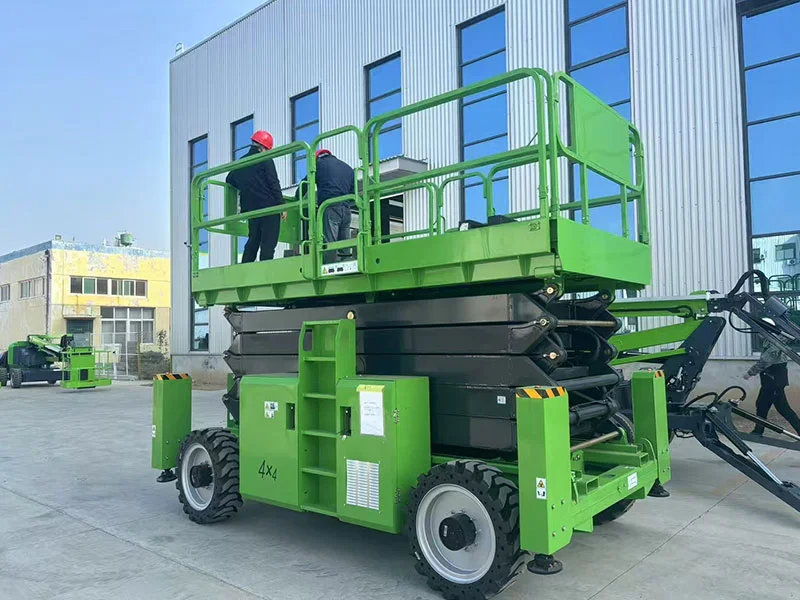
When a project demands heavy-duty lifting capacity, extended operation time, and the ability to handle demanding outdoor conditions, the diesel scissor lift is the equipment of choice. These powerful types of scissor lifts are built to endure.
How They Work
Diesel lifts are powered by an internal combustion engine that runs on diesel fuel. This engine serves two main purposes:
- Platform Power: It drives the hydraulic pump that powers the platform’s lifting and lowering mechanism (similar to the hydraulic lift, but with greater power).
- Drive Power: It powers the wheels, providing high torque and robust movement, often including four-wheel drive capability.
Construction Uses
- Structural Steel Erection: Providing access for workers to bolt and weld large structural members.
- Facade Installation: Lifts for positioning and attaching heavy cladding, curtain walls, and large window units on tall buildings.
- Large-Scale Exterior Work: Any outdoor project requiring high reach, heavy loads, and continuous operation without the need for frequent battery charging.
- Bridge and Overpass Construction: Their power allows them to operate effectively on difficult surfaces around civil engineering projects.
Key Benefits
Their main advantages are power and range. The diesel engine provides significantly greater torque for driving and lifting and eliminates downtime associated with charging batteries. They are an essential part of the fleet of heavy-duty types of scissor lifts.
Type 3: Electric Scissor Lifts
In contrast to their diesel counterparts, electric scissor lifts are the champions of indoor, finished, or environmentally sensitive construction environments. They are the quiet, clean workhorses of internal building construction.
How They Work
These lifts are powered by large, heavy-duty rechargeable batteries, typically deep-cycle lead-acid or, increasingly, lithium-ion.
- The battery supplies power to an electric motor.
- The motor drives the hydraulic pump, which then raises and lowers the platform via the hydraulic fluid system (much like a standard hydraulic lift).
- The battery also powers the electric drive motors for the wheels.
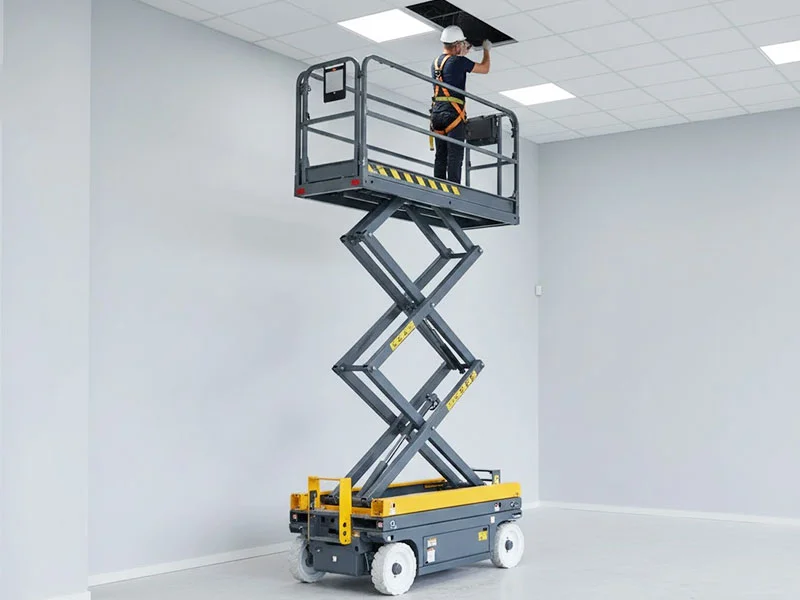
Construction Uses
- High-Rise Interior Fit-Outs: Working on multiple floors of a building where air quality and noise are concerns.
- Data Centers, Hospitals, and Food Processing Plants: Any facility where zero emissions and sterile conditions are required.
- Warehouse and Storage Facility Construction: Installing racking, lighting, and sprinklers in confined spaces with finished floors.
- Finishing Trades: Ideal for painting, drywall finishing, and electrical installations.
Key Benefits
The primary benefits of these types of scissor lifts are their zero emissions, quiet operation, and precision control. Their non-marking tires also protect finished flooring, making them indispensable for late-stage construction.
Type 4: Rough Terrain Scissor Lifts
The construction site isn’t always a smooth, paved surface. When the work takes you over mud, gravel, trenches, or steep inclines, you need the specialized capability of a rough terrain scissor lift. These are designed to be the off-road vehicles of the aerial work platform family.
How They Work
Rough terrain models are built upon a much more robust chassis than standard slab lifts. Key features include:
- Large, Lugged Tires: Aggressive tread patterns for superior grip on uneven or soft surfaces.
- Four-Wheel Drive (4WD): Provides maximum traction and power delivery to navigate difficult ground.
- Greater Ground Clearance: Elevated chassis prevents damage from obstacles and provides better maneuverability over bumps.
- Outriggers/Leveling Jacks: Many models include hydraulic outriggers to stabilize and level the platform before lifting, which is crucial for safe operation on sloped ground.
They are typically powered by diesel or gas engines to provide the necessary power for both lifting and driving.
Construction Uses
- Ground-Up Construction: Used during the early phases of site development, excavation, and foundation work.
- Residential and Commercial Development: Ideal for sites that are still exposed to the elements and have uneven grading.
- Outdoor Maintenance: Utility work, sign installation, or any task on unimproved land.
- Heavy Lifting: Their robust nature often means they also boast some of the highest lift capacities among all types of scissor lifts.
Key Benefits
Stability and traction are the hallmarks of these types of scissor lifts. They ensure that work can continue safely and effectively, regardless of the challenging conditions of the construction environment.
Type 5: Pneumatic Scissor Lifts
While less common than the hydraulic or electric models, pneumatic scissor lifts represent a different approach to elevated work, focusing on cleanliness and safety in highly specialized environments.
How They Work
Unlike hydraulic systems that use pressurized fluid, pneumatic lifts use compressed air to power the lifting mechanism.
- An air compressor fills a high-pressure reservoir on the lift.
- Valves control the release of this compressed air into large cylinders.
- The air pressure forces the cylinders to extend, raising the scissor arms.
Construction Uses
- Explosive Environments: Areas where sparks from an electric motor or the heat of a diesel engine are serious ignition risks (e.g., certain chemical plants, paint booths, or petrochemical facilities).
- Ultra-Clean Environments: Used in environments like semiconductor manufacturing facilities or pharmaceutical clean rooms, where hydraulic oil leaks or particulate matter from engine exhaust are unacceptable contamination risks.
- Remote Locations: Sometimes chosen for their ability to be powered by existing on-site air compressor systems.
Key Benefits
The main advantage is safety and environmental control. By eliminating hydraulic fluid and combustion, pneumatic lifts are inherently safer and cleaner. They are highly specialized types of scissor lifts for niche applications.
Choosing the Right Type of Scissor Lift
Selecting the correct lift is a critical decision that impacts project timelines, budgets, and worker safety. Here are the key factors to consider when comparing the different types of scissor lifts:
| Factor | Diesel (Rough Terrain) | Electric (Slab) | Hydraulic (General Use) |
| Working Environment | Outdoor, Rough/Uneven Terrain | Indoor, Finished Floors | Indoor/Outdoor, Smooth Surfaces |
| Power Source | Diesel Engine | Battery (Rechargeable) | Electric Motor or Small Engine |
| Emissions/Noise | High Emissions, Loud | Zero Emissions, Quiet | Low to Zero Emissions, Quiet |
| Max Capacity/Height | Highest Capacity, Often Higher Reach | Mid-Capacity, Lower Reach | Mid-Capacity, Standard Reach |
| Tires | Aggressive, Lugged (Non-Marking Optional) | Non-Marking, Smooth | Non-Marking, Smooth |
| Cost | Highest Purchase/Rental Cost | Moderate Cost | Moderate Cost |
When making your final selection from the available types of scissor lifts, ask these three questions:
- Where will it be operating? (Rough ground →Rough Terrain; Finished floor→Electric).
- How high and how much do I need to lift? (This determines the platform size and capacity) .
- What are the environmental constraints? (Noise limits, ventilation, or spark risk can mandate an Electric or Pneumatic model).
Conclusion
The evolution of the scissor lift has given construction professionals a suite of powerful, safe, and versatile tools. From the powerful, all-terrain capability of the diesel scissor lifts and rough terrain scissor lifts to the silent, clean operation of the electric scissor lifts, each machine has a specific purpose. Understanding these distinct types of scissor lifts is not just about equipment knowledge; it’s about making smart, efficient, and safe decisions that drive a successful construction project. Choosing the right piece of equipment ensures your team has the perfect vantage point for quality work, every time.
Scissor Lift FAQs
What is the difference between a scissor lift and a boom lift?
The main difference lies in their lifting mechanism and reach. A scissor lift provides vertical-only elevation via its crossing supports and offers a large, stable platform. A boom lift uses an articulated or telescopic arm, allowing it to reach up and out (horizontal and vertical) over obstacles. Boom lifts are better for accessing hard-to-reach areas, while scissor lifts are better for maximizing vertical workspace and lifting capacity.
Do I need a special license or certification to operate one of the types of scissor lifts?
Yes. In most jurisdictions, proper training and certification are legally required to operate any type of Mobile Elevated Work Platform (MEWP), including all types of scissor lifts. This training covers safe operation, pre-use inspection, hazard recognition, and emergency procedures. Certification must usually be renewed periodically.
How often should a scissor lift be inspected?
A scissor lift should undergo a pre-shift inspection by the operator before every use. Additionally, most manufacturers and safety organizations require a frequent inspection (e.g., quarterly or every 150 hours of use) and an annual inspection performed by a qualified mechanic to ensure all safety-critical components are functioning correctly.
What is the maximum wind speed rating for operating a scissor lift?
For safe outdoor operation, most manufacturers specify a maximum allowable wind speed, which is typically around 28 mph (12.5 m/s). If wind speeds exceed this limit, the lift must be lowered, and operation must cease. Always consult the specific safety manual for the types of scissor lifts you are using.