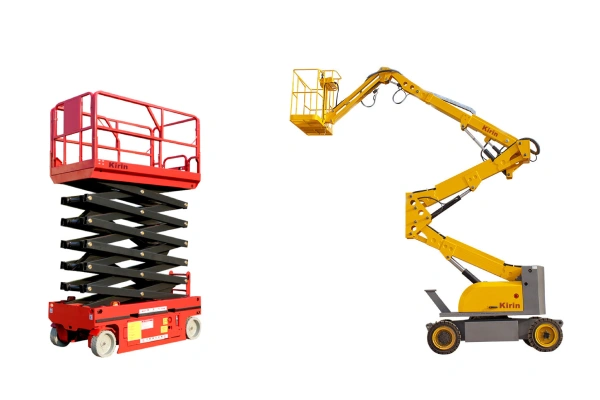
In the modern construction landscape, efficiency and precision are no longer just goals—they are requirements. As urban development leans more toward high-density buildings and intricate interior renovations, the tools we use must evolve. Enter small scissor lifts. These compact, versatile machines have become the “ace in the hole” for contractors, facility managers, and electricians working in confined indoor spaces.
Whether you are navigating a narrow hallway in a hospital or installing lighting in a high-ceilinged retail showroom, small scissor lifts provide a stable, safe, and efficient alternative to traditional ladders and scaffolding. In this comprehensive guide, we will explore why small scissor lifts are the definitive choice for indoor operations and how they can transform your project’s productivity.
What Are Small Scissor Lifts?
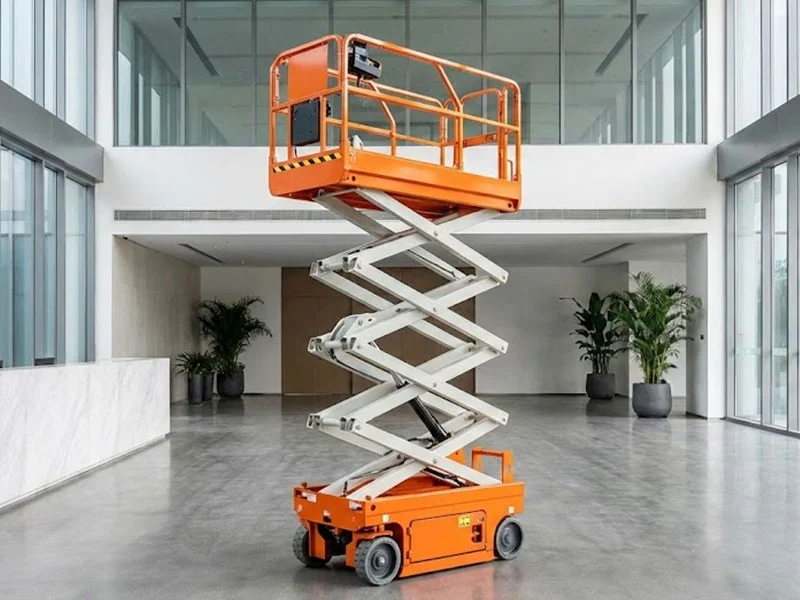
Essentially, small scissor lifts are mobile aerial work platforms (AWPs) designed to move vertically. The name comes from the folding “pantograph” mechanism—a series of linked, folding supports in a crisscross pattern. When pressure is applied to the outside of the lowest set of supports, the platform moves upward.
Unlike their massive outdoor counterparts (often powered by diesel and equipped with rough-terrain tires), small scissor lifts are engineered for precision and indoor compatibility. They prioritize a slim profile and clean energy, making them the ideal solution for interior fit-outs.
Typical Specifications
When evaluating small scissor lifts, you will notice a specific range of specs tailored for indoor use:
- Working Height: Most small-scale scissor lifts offer a reach between 6m and 12m (20ft to 40ft). This range covers everything from standard office ceilings to high-bay warehouse lighting.
- Platform Capacity: Despite their size, these machines are sturdy. Expect a platform capacity of 200kg to 450kg, allowing two workers and their tools to reach the job site simultaneously.
- Machine Width: One of the most critical specs for small scissor lifts is the width. Most models are designed to be “narrow-aisle,” measuring between 0.7m and 0.9m, which allows them to fit through standard single or double doorways.
- Power Source: You will primarily find small electric scissor lifts in this category. They run on deep-cycle battery banks, ensuring a full day of work on a single charge.
- Non-Marking Tires: To protect finished flooring—like polished concrete, tile, or carpet—small scissor lifts come standard with specialized non-marking rubber tires.
Why Indoor Construction Projects Need Small Scissor Lifts
Indoor environments present unique challenges: limited ventilation, tight corners, finished surfaces, and often, the presence of other people. Traditional methods like scaffolding are time-consuming to erect and dismantle, while ladders pose significant fall risks.
Small scissor lifts bridge the gap. They offer the height of a ladder with the stability of a permanent platform. Because indoor projects often involve repetitive tasks—such as installing 200 fire sprinklers across a floor—the mobility of small scissor lifts allows workers to move from point A to point B without having to descend, saving hours of labor every week.
Furthermore, small electric scissor lifts eliminate the risk of carbon monoxide buildup, a common hazard when using internal combustion engines in enclosed spaces.
Key Features of Small Scissor Lifts
What makes a machine the “ace” of the job site? It’s all in the features. Let’s break down the core components that define high-quality small scissor lifts:
Compact Design
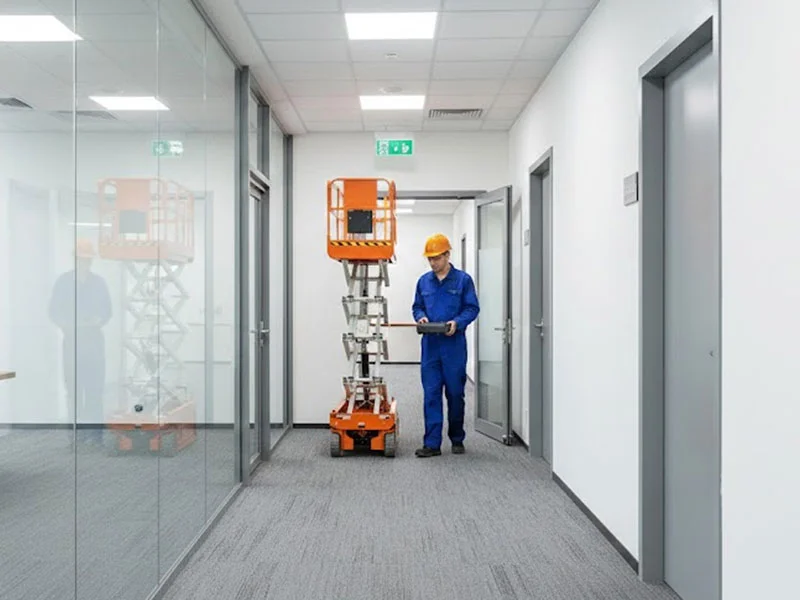
The “small” in small scissor lifts isn’t just a label; it’s a functional advantage. These lifts feature a tight turning radius, often zero-degree, meaning they can pivot within their own footprint. This is essential for navigating crowded storage rooms or mechanical penthouses.
Electric & Zero Emissions
Since they are used indoors, small electric scissor lifts are the standard. They produce zero exhaust fumes, making them safe for use in “live” environments like malls, schools, or hospitals where air quality is a priority.
Non-Marking Tires
Standard black tires leave unsightly scuff marks that are expensive to clean. Small scissor lifts use solid, non-marking tires (usually grey or white) that leave the floor in pristine condition, which is a major selling point for contractors working on “white box” retail completions.
Quiet Operation
The electric motors in small scissor lifts operate with a low hum rather than the roar of an engine. This allows for communication between the ground crew and the platform operator without shouting, and it minimizes disruption in multi-tenant buildings.
Safety Systems
Modern small-scale scissor lifts are packed with safety tech, including:
- Pothole protection (mechanical flaps that deploy when the platform is raised).
- Tilt sensors and alarms.
- Emergency lowering valves.
- Overload sensors.
Advantages of Using Small Scissor Lifts
Investing in or renting small scissor lifts offers a high return on investment (ROI) through several key advantages:
Increased Safety
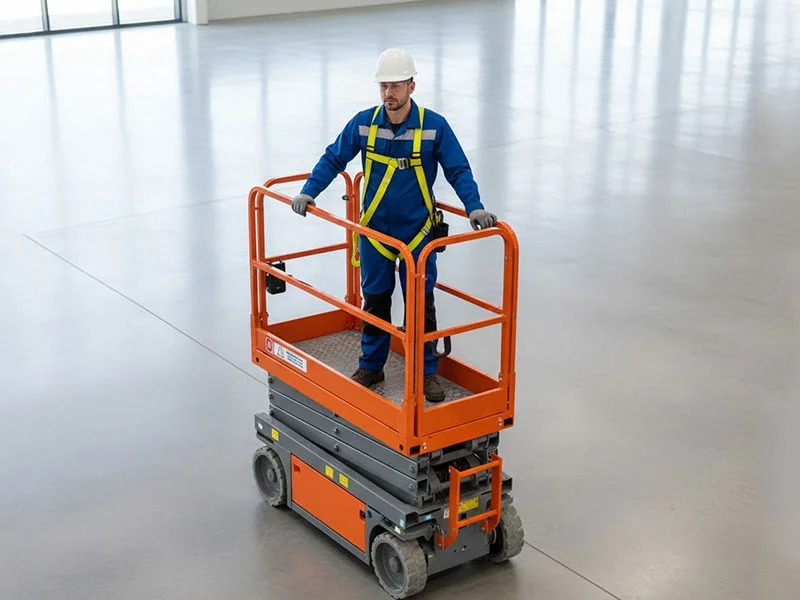
Falls from heights remain a leading cause of construction injuries. Small platform scissor lifts provide a fully guarded work area. Unlike a ladder, where a worker must balance while using tools, a scissor lift platform allows for a “hands-free” work environment.
Higher Work Efficiency
Think about the time wasted climbing up and down a ladder to grab a different screwdriver or more wire. Small scissor lifts have ample room for a tool chest and materials. The ability to drive the lift while the platform is slightly elevated (in some models) significantly speeds up linear tasks like conduit installation.
Cost Savings
While the daily rental of small scissor lifts is higher than the cost of a ladder, the labor savings are massive. Tasks that take two days on scaffolding can often be completed in four hours with small scissor lifts. Reduced labor hours directly translate to higher profit margins.
Improved Worker Comfort
Fatigue is a major factor in job site errors. Standing on a narrow ladder rung for eight hours is exhausting. The flat, stable deck of small scissor lifts reduces physical strain, leading to higher morale and better quality of work.
Common Indoor Applications
Where exactly will you see small scissor lifts in action? Their versatility makes them ubiquitous in several sectors:
- Warehousing & Logistics: For inventory management, repairing overhead racking, and maintaining high-bay LED lighting.
- Electrical & HVAC: Installing ductwork, wiring, and ceiling fans. Small electric scissor lifts are the go-to for these trades.
- Retail & Commercial: Hanging signage, decorating for holidays, or performing routine maintenance in shopping centers.
- Data Centers: Navigating the narrow aisles between server racks to manage overhead cabling.
- Facility Management: Cleaning windows, changing air filters, and painting in large lobbies or atriums.
How to Choose the Right Small Scissor Lift
Not all small scissor lifts are created equal. To pick the right “ace” for your deck, consider these three factors:
Working Height
Always check the “working height” versus the “platform height.” The working height is generally 2 meters (6 feet) above the platform height. If your ceiling is 8 meters high, you need small scissor lifts with at least a 6-meter platform height.
Platform Capacity
Calculate the combined weight of the operator and the heaviest tools/materials. If you are installing heavy HVAC components, you may need one of the “heavy-duty” small platform scissor lifts with a 450kg capacity.
Machine Width
Measure the narrowest point the lift must pass through. If you have a standard 30-inch interior door, you must ensure the small scissor lifts you choose are “micro” models designed for that specific clearance.
Safety Tips When Operating Small Scissor Lifts
Safety isn’t just a feature; it’s a practice. Even the best small scissor lifts require a trained operator.
- Always operate on level ground: Scissor lifts are designed for vertical stability. Even a small slope can cause a tip-over when the platform is extended.
- Do not exceed rated capacity: It is tempting to squeeze an extra person on the platform, but overloading small-scale scissor lifts can trigger the safety cut-off or compromise stability.
- Lock guardrails: Ensure all gates are closed and guardrails are locked before ascending.
- Wear PPE: Depending on the job site, a harness and lanyard (fall arrest) may be required, even if the platform is guarded.
- Charge batteries correctly: To ensure the longevity of small electric scissor lifts, charge them in a well-ventilated area at the end of every shift.
- Perform a daily inspection checklist: Never skip the pre-start walk-around.
Maintenance and Daily Inspection
To keep your small scissor lifts in top shape, a rigorous maintenance schedule is mandatory. This ensures the machine remains reliable and holds its value.
Battery Charging and Fluid
Since these are small electric scissor lifts, the battery is the heart of the machine. Check the water levels in lead-acid batteries weekly and ensure the terminals are free of corrosion.
Hydraulic Oil Checks
Inspect the hydraulic cylinders for leaks. The lift mechanism of small scissor lifts relies on consistent pressure; a small leak can lead to “platform drift” or jerky movements.
Tire Inspection
Check the non-marking tires for chunks or cracks. Because they are solid rubber, they don’t go flat, but uneven wear can cause the machine to vibrate or tilt.
Emergency Lowering Test
Every day, the operator should test the emergency lowering pull-handle. In the event of a power failure, this manual valve allows the platform to descend safely.
Cleaning Debris
In construction, drywall dust and metal shavings are common. Ensure that the “scissor stack” (the arms) is clear of debris. Foreign objects trapped in the arms can cause structural damage during descent.
Conclusion
In the world of interior construction, the right equipment is the difference between a project that is over budget and one that is a resounding success. Small scissor lifts provide the perfect blend of height, safety, and maneuverability. From their small electric scissor lifts power plants to their ability to navigate through a standard door, these machines are purpose-built for the challenges of the modern indoor job site.
By choosing high-quality small scissor lifts, you are investing in the safety of your crew and the efficiency of your operations. They are, without a doubt, the ace for your indoor construction deck.
FAQs
Can I use small scissor lifts on a second floor?
Yes, provided the floor’s load-bearing capacity exceeds the weight of the lift. Because small-scale scissor lifts are relatively lightweight, they are often transported in freight elevators for work on upper floors.
Do I need a license to operate small electric scissor lifts?
In many regions, OSHA (or equivalent bodies) requires operators to be “trained and authorized.” This usually involves a brief certification course on the specific class of AWP.
How long does the battery last on small platform scissor lifts?
Typically, a well-maintained battery on small scissor lifts will last for 6 to 8 hours of “active” use, which usually covers a full 10-hour workday since the lift isn’t moving constantly.
Can small scissor lifts be used outdoors?
Most small scissor lifts are rated for “Indoor Use Only” because they are sensitive to wind. However, some models have a dual-rating with a reduced platform height for outdoor use on level, paved surfaces. Always check the manufacturer’s plate.