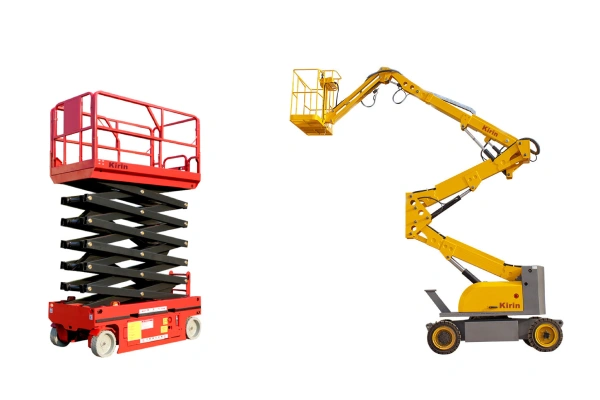
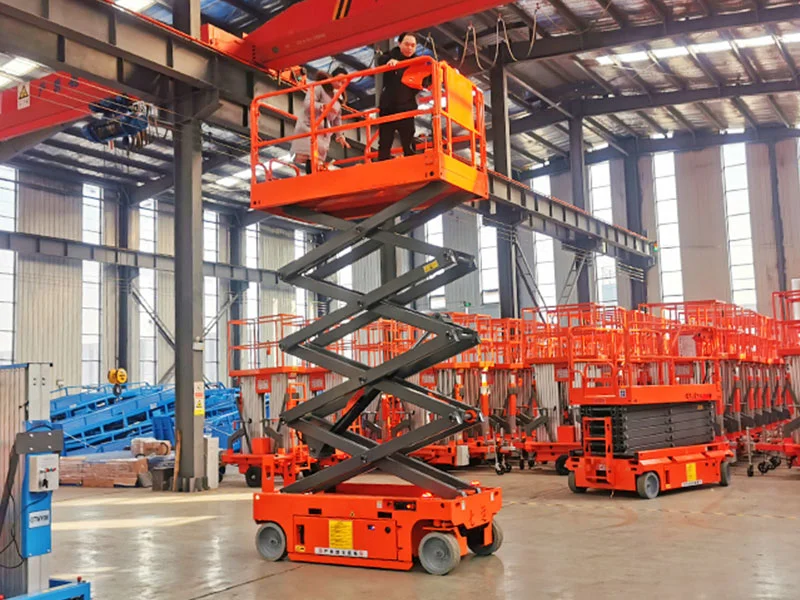
In modern construction, maintenance, and warehouse environments, accessing elevated work areas safely and efficiently is paramount. While various aerial work platforms (AWPs) exist, when the job requires working indoors—in settings like hospitals, retail stores, offices, data centers, or finished facilities—the choice of equipment becomes critical. It’s not just about reaching the height; it’s about maintaining air quality, minimizing noise, and protecting expensive flooring.
This is where the self-propelled electric scissor lift truly shines. Unlike their diesel or gas-powered counterparts, which are often relegated to outdoor, rough-terrain applications, electric models are specifically engineered for the delicate balance of productivity and preservation required in indoor spaces.
A self-propelled electric scissor lift provides a stable, vertically rising platform that allows workers, tools, and materials to be moved precisely into position. The “self-propelled” feature means the operator can drive the machine from the platform, even while elevated (on many models), drastically increasing efficiency by eliminating the need for manual repositioning. The “electric” component is the key to its suitability for indoor use.
Choosing the right equipment is an investment in safety, efficiency, and environmental compliance. Let’s delve into the seven compelling reasons why a self-propelled electric scissor lift is the overwhelmingly recommended choice for all your indoor high-reach needs.
Reason 1: Zero Emissions and Clean Operation
The most significant advantage of an electric AWP indoors is its zero-emission operation.
Internal combustion engines (diesel or gas) produce carbon monoxide, nitrogen oxides, and fine particulate matter—pollutants that are dangerous in enclosed or poorly ventilated areas. Using such equipment indoors necessitates complex, expensive, and often inadequate ventilation systems, or makes the work site unsafe altogether.
A self-propelled electric scissor lift runs entirely on battery power, meaning it produces zero direct exhaust fumes. This makes it the only viable option for many sensitive indoor environments:
- Hospitals and Healthcare Facilities: Maintaining sterile, clean air is non-negotiable.
- Food and Beverage Manufacturing: Preventing contamination from exhaust is critical for quality control.
- Data Centers and IT Hubs: Protecting sensitive electronics from corrosive or dirty emissions is a must.
- Retail and Office Spaces: Ensuring the comfort and safety of customers and other workers during maintenance or installation.
The use of a self-propelled electric scissor lift eliminates air quality concerns, ensuring a cleaner, safer, and healthier working environment, and often simplifying regulatory compliance for indoor projects. For companies looking to source quality, eco-friendly options, the market—including the growing sector of china self-propelled scissor lift manufacturers—is increasingly focused on these clean-running electric models.
Reason 2: Low Noise Levels
Noise pollution is a major concern in occupied buildings. A diesel engine running indoors can disrupt business operations, distract workers, and cause discomfort for building occupants.
A self-propelled electric scissor lift, by comparison, operates with significantly lower noise levels. The movement and lifting functions are powered by quiet electric motors, often making the equipment barely audible over normal background noise.
- Minimizes Disruption: Work can be performed during regular business hours in hotels, schools, malls, and corporate offices without forcing a complete shutdown or requiring disruptive after-hours work.
- Improves Communication: A quieter work environment allows operators and ground crew to communicate clearly, which is a significant factor in promoting on-site safety and efficiency.
- Enhances Worker Comfort: Reduced noise leads to less operator fatigue and a more pleasant working experience, contributing to higher productivity throughout the shift.
This feature alone makes the self-propelled electric scissor lift indispensable for facilities management teams needing to carry out routine tasks without disturbing tenants or customers.
Reason 3: Compact Design and Excellent Maneuverability
Indoor spaces are often characterized by narrow aisles, crowded racks, tight corners, and low-clearance doorways. Diesel-powered, rough-terrain lifts are typically larger, heavier, and feature a wide chassis, making them ill-suited for these environments.
The design of a self-propelled electric scissor lift prioritizes compactness and maneuverability.
- Narrow Chassis Options: Many electric models are specifically engineered with a narrow chassis (some as slim as 30 inches or less) to easily pass through standard single doorways, elevators, and tight corridors.
- Zero or Small Turning Radius: The electric drive systems are highly responsive, often featuring a zero or very small turning radius, allowing the lift to navigate complex layouts and position itself precisely in limited space, such as between warehouse racking or within congested construction sites.
- Driveable at Full Height: The self-propelled scissor lift can often be driven while the platform is fully extended (at reduced speed), allowing operators to “walk” the platform along a ceiling, significantly reducing the time spent lowering, moving, and re-elevating.
This superior agility means less time is wasted repositioning the machine, maximizing the time workers spend on the task at hand.
Reason 4: Non-Marking Tires
Protecting finished floors is a critical requirement for any indoor work. The heavy, treaded, and carbon black tires typically found on diesel or rough-terrain lifts can easily scuff, mark, or damage polished concrete, epoxy floors, wood, or tile. This damage can lead to costly and time-consuming repairs.
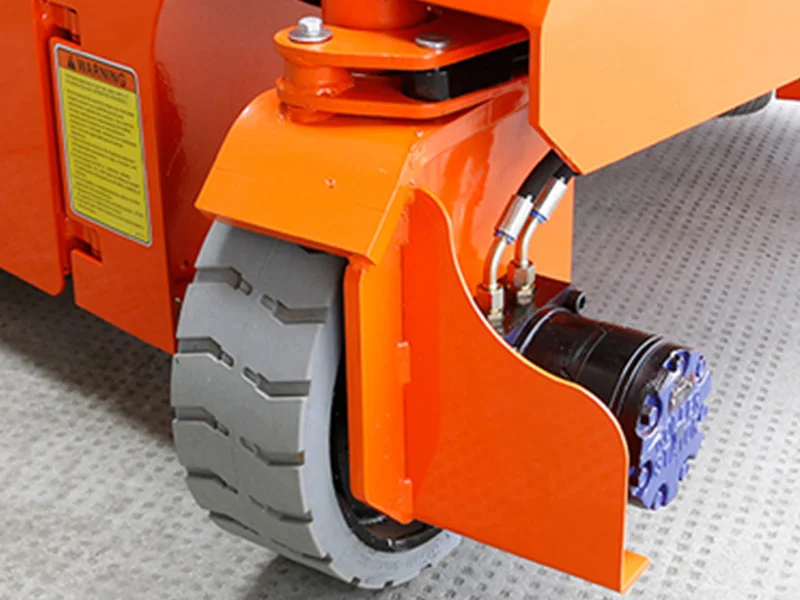
Electric lifts are standardly equipped with non-marking solid rubber tires (usually white or gray).
- Floor Preservation: These tires are specifically designed to be gentle on sensitive indoor surfaces, leaving no scuffs, black marks, or residual residue. This is essential for work in clean rooms, gymnasiums, luxury retail stores, and corporate lobbies.
- Puncture Resistance: As solid tires, they offer a high degree of puncture resistance, reducing the risk of a flat tire that would halt operations and potentially damage the floor.
- Smooth Operation: The tire material is optimized for smooth, slab surfaces, ensuring stable and consistent movement across the floor.
By using a self-propelled electric scissor lift with non-marking tires, companies eliminate the risk of causing expensive collateral damage to the client’s facility, maintaining a professional standard of work from floor to ceiling.
Reason 5: Enhanced Stability and Safety Features
Safety is paramount when working at height, and the stable design of the scissor mechanism is a core benefit. Electric models are built with a low center of gravity and a wide base, contributing to a stable work platform.
Furthermore, a modern self-propelled electric scissor lift includes sophisticated safety features tailored for indoor use:
- Pothole Protection System: This mechanism automatically deploys arms to limit the drop if the wheel drives over a drop-off or pothole, preventing the elevated platform from becoming unstable or overturning. This is crucial for navigating minor dips or unevenness in indoor slabs.
- Tilt Sensors: These sensors monitor the machine’s angle and will prevent the lift from extending or driving if the slope exceeds a safe operating limit, significantly reducing the risk of tip-over accidents.
- Emergency Lowering System: Standard on all aerial lifts, the electric models have a manual valve that allows the platform to be safely lowered from the ground in the event of a power failure or an emergency.
- Overload Protection: Systems are in place to prevent the lift from being raised if the platform capacity (weight limit) is exceeded, protecting both the equipment and the workers.
The combination of inherent stability and integrated safety technology makes the self-propelled electric scissor lift one of the safest aerial platforms available for precision indoor work.
Reason 6: Reduced Operational and Maintenance Costs
While the initial purchase price of a high-quality self-propelled electric scissor lift (including options from reputable china self-propelled scissor lift manufacturers) might be comparable to a diesel model, the lifetime operational and maintenance savings are substantial.
- Lower Fuel Costs: Electricity is significantly cheaper than diesel fuel. The cost to charge an electric lift’s battery for a full shift is a fraction of the cost to fill a diesel tank, leading to considerable long-term savings on energy consumption.
- Reduced Maintenance Complexity: Electric motors have far fewer moving parts than a combustion engine. This means:
- No oil changes, fuel filters, or spark plugs.
- Fewer hydraulic components (especially in all-electric drive/lift models).
- Less frequent need for complex engine servicing.
- Less downtime for maintenance, translating directly into more productive hours on the job.
Over the equipment’s lifespan, these factors contribute to a much lower Total Cost of Ownership (TCO) compared to fuel-powered lifts, making the electric model a smarter financial investment for fleet operators focused on indoor applications.
Reason 7: Efficient and Extended Battery Life
Modern battery technology has vastly improved the efficiency and run-time of the self-propelled electric scissor lift, eliminating old concerns about performance.
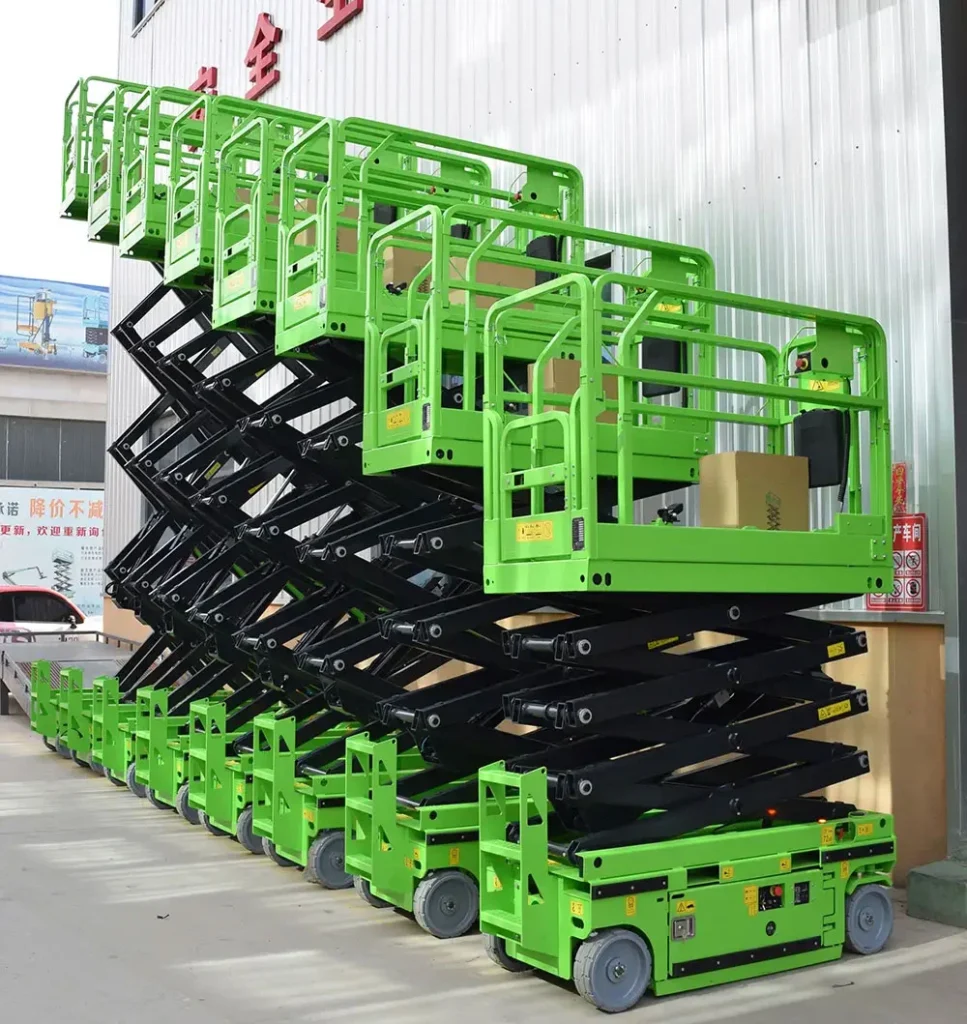
- Full-Day Operation: Most contemporary electric lifts are equipped with deep-cycle or advanced lithium-ion batteries that provide sufficient power for a standard 8-hour workday of continuous or intermittent use.
- Opportunity Charging: The convenience of electric power allows for “opportunity charging”—briefly plugging the unit in during a lunch break or other downtime—which can top up the battery and significantly extend the operating window for multi-shift or heavy-use days.
- Energy Recovery: Some advanced electric systems utilize energy recovery technology, similar to modern electric cars, where energy is captured during braking or lowering and channeled back into the battery, boosting overall efficiency.
The reliable and efficient power delivery ensures that the self-propelled scissor lift is always ready when needed, eliminating the logistical burden of managing fuel storage and refueling processes associated with diesel equipment.
Conclusion
The superiority of the self-propelled electric scissor lift for indoor applications is undeniable. It is a purpose-built solution that respects the environment, the people, and the physical integrity of the facility it is working in.
From the necessity of zero emissions and low noise levels in sensitive public spaces to the practical benefits of its compact design and non-marking tires, the electric model sets the standard for indoor vertical access. Combined with the reduced operational and maintenance costs and the reliability of extended battery life, this equipment delivers unparalleled efficiency, safety, and value.
For any business focused on professional, high-quality, and compliant work within finished or enclosed facilities, investing in a fleet of electric, self-propelled scissor lifts is not just an option—it is the recommended best practice.
FAQs
What is the average lift height for an indoor self-propelled electric scissor lift?
Indoor electric scissor lifts typically offer working heights ranging from 15 feet (4.5m) for compact models up to 45 feet (14m) for larger, high-reach units. The choice depends on the specific building height and the required reach.
Can a self-propelled electric scissor lift be used outdoors?
Yes, many models can be used outdoors, provided the surface is firm, flat, and level (like paved parking lots or concrete slabs). However, they are not designed for rough terrain, mud, or very uneven ground, where specialized rough-terrain, often diesel, lifts are required.
How often do the batteries need to be replaced on an electric scissor lift?
For standard lead-acid batteries, a lifespan of 3-5 years is typical, depending on usage and charging practices. Lithium-ion batteries, though higher in initial cost, often last 5-10 years and are virtually maintenance-free. Regular maintenance of lead-acid batteries (checking water levels) is key to maximizing lifespan.
Are self-propelled electric scissor lifts from China reliable?
The china self-propelled scissor lift market includes a wide range of quality. Many Chinese manufacturers have become world-class, producing lifts that meet stringent international safety and quality standards (such as CE or ANSI). It is always recommended to purchase from an established brand with a global reputation and strong after-sales support.
What is the main safety difference between a self-propelled scissor lift and a manual push-around lift?
The main difference is the ability to drive while elevated. A self-propelled scissor lift allows the operator to inch along a workspace without having to repeatedly lower the platform and manually push the unit into a new position, significantly reducing downtime and risk associated with frequent ingress/egress.