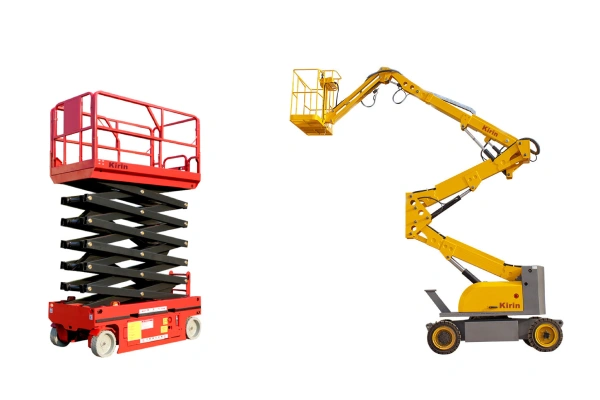
Working at height is inherently risky, but the scissor lift with outriggers is one of the most effective tools for ensuring a stable, level, and secure workspace. Whether you are operating a rough terrain scissor lift with outriggers on a construction site or an electric scissor lift with outriggers on a warehouse floor, understanding the mechanics of these stabilizing legs is critical for site safety.
In this comprehensive guide, we will break down everything you need to know about operating a scissor lift with outriggers, from the initial site assessment to avoiding the common mistakes that lead to tip-overs.
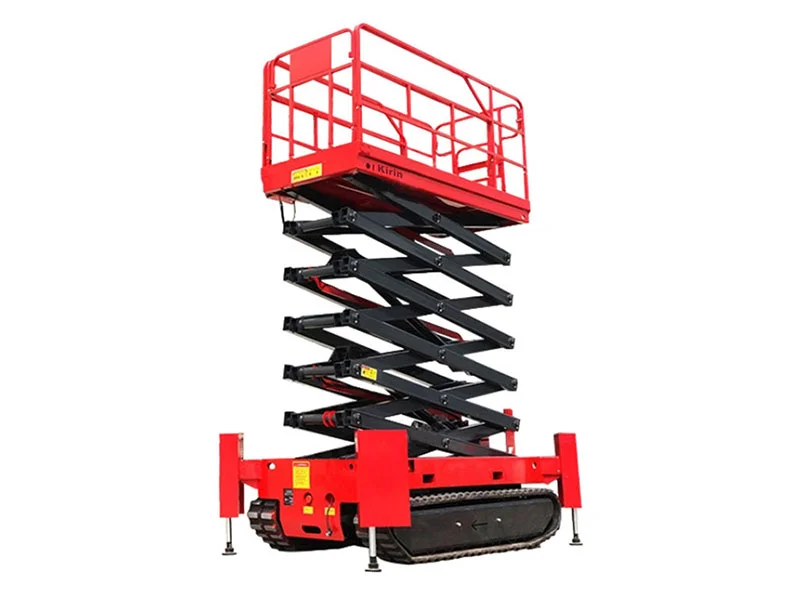
Why Outriggers Matter
When you think of a scissor lift, you likely picture a platform rising vertically. However, that vertical movement shifts the center of gravity significantly. Without a wide, stable base, even a minor gust of wind or a slight shift in weight can lead to a catastrophic accident. This is where outriggers for scissor lift systems come into play.
Outriggers serve three primary purposes:
- Leveling: Most scissor lifts cannot be raised safely if the chassis is tilted more than a few degrees. Outriggers allow the operator to level the machine on uneven ground.
- Stabilization: They widen the footprint of the lift, making it much harder for the machine to tip over.
- Load Distribution: By spreading the weight of the machine and its cargo across four distinct points, outriggers prevent the wheels from sinking into softer surfaces.
Using a scissor lift with outriggers isn’t just a “best practice”—it is often a legal and manufacturer requirement for reaching maximum height, especially on uneven terrain.
Pre-Operation Checklist: Before You Leave the Ground
Safety starts long before you pull the lever to deploy the outriggers on scissor lift units. A thorough pre-operation routine ensures that the machine and the environment are ready for the task.
Site Assessment
Before driving your scissor lift with outriggers into position, walk the area.
- Identify Hazards: Look for overhead power lines, ceiling obstructions, or floor openings.
- Check the Ground: Is the surface concrete, gravel, or dirt? Even a rough terrain scissor lift with outriggers has limits. Look for “hidden” soft spots like recently backfilled trenches.
- Gradient Check: Ensure the slope does not exceed the manufacturer’s maximum gradeability for outrigger deployment.
Machine Inspection
Check the mechanical integrity of your outriggers for scissor lift.
- Hydraulic Leaks: Inspect the cylinders and hoses for any signs of fluid weeping.
- Pad Condition: The feet (pads) of the outriggers should be clean, flat, and free of cracks.
- Sensor Functionality: Most modern lifts have interlocks that prevent the platform from rising if the outriggers on scissor lift aren’t properly set. Test these sensors to ensure they are communicating with the control panel.
PPE Essentials
Never step onto a scissor lift with outriggers without the proper gear:
- Full-Body Harness: Attached to the designated anchor point.
- Hard Hat: To protect against falling objects or overhead impacts.
- High-Visibility Vest: Essential for being seen by other equipment operators.
- Non-slip Boots: To maintain a firm footing on the metal platform.
Step-by-Step: Deploying Outriggers Correctly
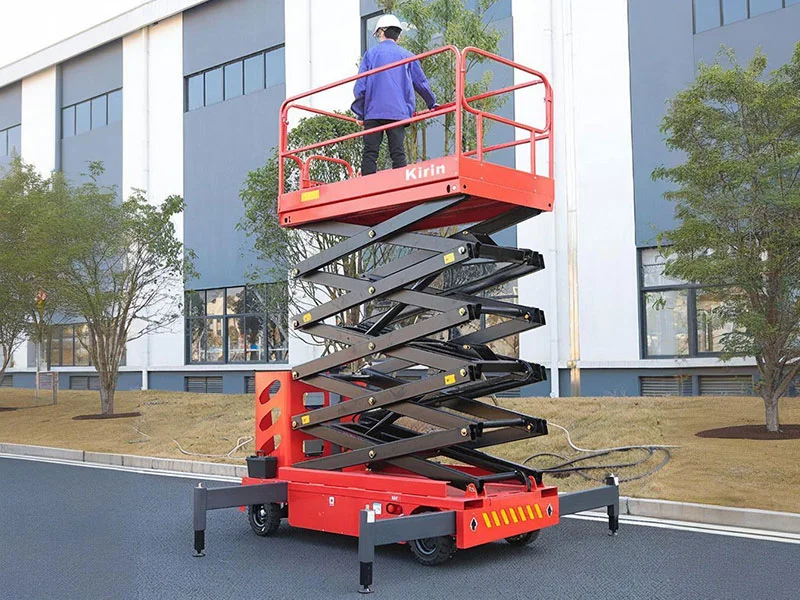
Deploying the outriggers on scissor lift equipment may seem straightforward, but precision is key to ensuring the machine is actually “level” rather than just “propped up.”
Positioning the Lift
Drive the scissor lift with outriggers to the exact spot where you need to work.
- Center the Load: Position the lift so the work area is directly above or very close to the center of the platform.
- Check Clearance: Ensure that when the scissor lift outriggers extend outward (on models where they swing out), they won’t hit walls, debris, or other workers.
The Deployment Sequence
- Lower the Outriggers: Use the control panel to lower the outriggers for scissor lift. On many models, you can lower them all at once or individually.
- Observe the Pads: Watch each pad as it makes contact with the ground. Ensure it is sitting on a firm, flat surface.
- Leveling the Chassis: Continue to extend the scissor lift outriggers until the wheels are either light on the ground or slightly off the ground (refer to your specific manual, as some models require wheels to stay in contact).
- Verify Levelness: Check the spirit level or the digital “level” indicator on the control box. A scissor lift with outriggers is only safe to operate when the “level” light is green.
- Re-check: Once the platform is elevated a few feet, do a quick visual check to ensure no outrigger has shifted or sunk.
Golden Rules for Safe Operation
Once your scissor lift with outriggers is set and leveled, the real work begins. However, the presence of outriggers introduces new safety rules you must follow.
The “No-Drive” Zone
The most important rule when using a scissor lift with outriggers is that you cannot drive the lift while the outriggers are deployed. * Attempting to move the machine with the legs down can cause structural damage to the outrigger arms.
- More importantly, it can cause the machine to tip if an outrigger catches on a floor crack or obstacle.
- If you need to move even a few inches, you must lower the platform, retract the outriggers for scissor lift, move the machine, and re-level.
Load Management
Just because you are using a rough terrain scissor lift with outriggers doesn’t mean the lift is invincible.
- Rated Capacity: Always stay within the weight limits. This includes the weight of the operator, tools, and materials.
- Distribution: Keep the weight evenly distributed. Concentrating all weight on one side of a scissor lift with outriggers can create a “moment arm” that puts excessive stress on a single outrigger leg.
Wind & Weather Factors
Outriggers provide stability, but they don’t turn a scissor lift into a permanent building.
- Wind Speed: Every scissor lift with outriggers has a maximum wind speed rating (usually around 28 mph or 12.5 m/s).
- The “Sail” Effect: Large materials like plywood or signage can act as a sail, catching the wind and exerting massive side-force on the scissor lift outriggers. Use extreme caution in breezy conditions.
Common Mistakes to Avoid
Even experienced operators can get complacent. Here are the most frequent errors made when using a scissor lift with outriggers.
Short-Jacking
Short-jacking occurs when an operator doesn’t fully extend the outriggers for scissor lift because of a lack of space.
- The Risk: If the outrigger isn’t fully deployed to its locked position, the machine’s footprint is uneven.
- The Solution: If you don’t have room to fully deploy your scissor lift outriggers, you cannot safely use the lift at height. Find a smaller machine or clear the workspace.
Soft Ground Sinking
A rough terrain scissor lift with outriggers is designed for the dirt, but “rough terrain” doesn’t mean “swamp.”
- The Risk: If the ground is soft, the outrigger pad might slowly sink as the weight on the platform increases. This can cause the lift to tilt unexpectedly while you are at maximum height.
- The Solution: Use outrigger pads or large “cribbing” (heavy timber or composite plates) to increase the surface area and prevent sinking.
Over-Extension
It might be tempting to use the scissor lift outriggers to “jack” the machine high off the ground to gain an extra foot of reach.
- The Risk: This is incredibly dangerous. Over-extending the cylinders can lead to mechanical failure or make the machine extremely “top-heavy” and wobbly.
- The Solution: The outriggers on scissor lift units are for leveling and stability, not for gaining extra height. If you can’t reach the work area, you need a larger lift.
Ignoring the Interlocks
Some operators try to “bypass” the safety sensors that require the scissor lift with outriggers to be level before the platform rises.
- The Risk: These interlocks are the only thing standing between a successful job and a fatal tip-over.
- The Solution: If the “outrigger set” light isn’t coming on, stop. Do not attempt to override the system. Inspect the ground and the machine for faults.
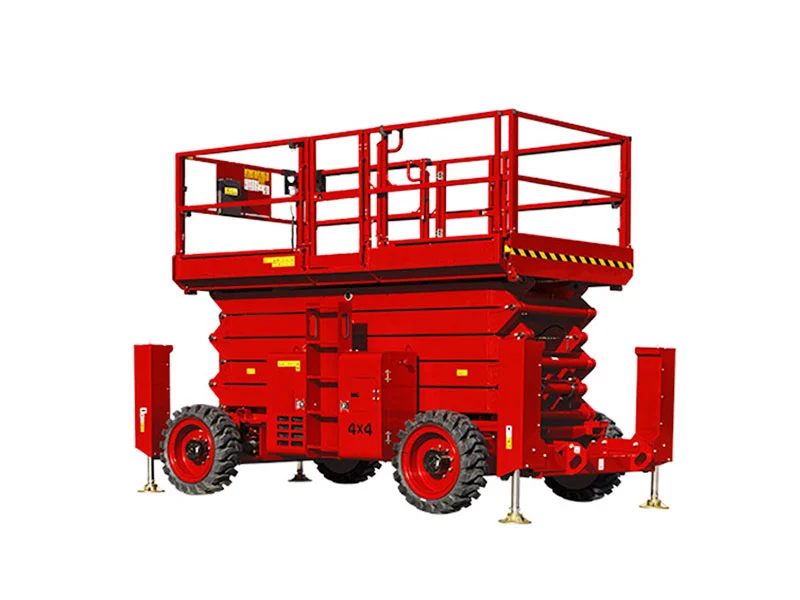
Choosing the Right Model: Electric vs. Rough Terrain
Depending on your environment, the type of scissor lift with outriggers you choose will vary.
| Feature | Electric Scissor Lift with Outriggers | Rough Terrain Scissor Lift with Outriggers |
| Best Environment | Indoor warehouses, flat slabs, sensitive flooring. | Outdoor construction sites, mud, gravel, slopes. |
| Tires | Non-marking, solid rubber. | Large, foam-filled, deep tread lug tires. |
| Power Source | Battery (Zero emissions). | Diesel or Dual-Fuel (Gas/Propane). |
| Outrigger Type | Usually vertical “pop-down” style. | Often heavy-duty “swing-out” or wide-stance. |
If you are working inside on a floor that isn’t perfectly level, an electric scissor lift with outriggers is your best bet. It provides the stability you need without the noise or fumes of an internal combustion engine. Conversely, for heavy-duty infrastructure projects, the rough terrain scissor lift with outriggers is the industry standard for durability and power.
Conclusion
Operating a scissor lift with outriggers is a significant responsibility. These machines are designed to keep you safe in challenging environments, but they rely on the operator’s diligence to function correctly. By performing a thorough pre-operation check, following a strict deployment sequence, and respecting the limits of wind and load, you can ensure that your rough terrain scissor lift with outriggers remains a tool for productivity rather than a liability.
Whether you prefer an electric scissor lift with outriggers for its quiet operation or a diesel-powered beast for heavy site work, the principles remain the same: Level, Stable, and Secure.
Never take shortcuts with your outriggers on scissor lift. The five minutes you spend ensuring a perfect level could be the most important five minutes of your career. Stay safe, stay level, and always keep your harness clipped.
FAQs
Can I use a scissor lift with outriggers on a slope?
Yes, but only within the manufacturer’s specified limits. Most scissor lift with outriggers systems can level the machine on a slope of up to 5–10 degrees. Always check the inclinometer or bubble level before ascending.
Do all scissor lifts have outriggers?
No. Many small, indoor electric scissor lift models rely on their weight and wheelbase for stability. However, rough terrain scissor lift with outriggers models almost always include them because of the unpredictable nature of outdoor ground surfaces.
What should I do if an outrigger alarm sounds while I’m elevated?
Stop what you are doing immediately. Do not move the platform up or out. Slowly lower the platform to the stowed position. The alarm usually indicates that the scissor lift outriggers have lost pressure or the machine has shifted out of level.
Are outrigger pads necessary for an electric scissor lift with outriggers?
If you are working on a finished floor (like gym wood or thin tile), pads help protect the surface. If you are on concrete, they aren’t usually required unless the floor is cracked or thin. For a scissor lift with outriggers on any outdoor surface, pads are highly recommended.
How do I maintain the outriggers on my scissor lift?
Regularly grease the pivot points, check for hydraulic leaks, and ensure the pads (feet) are free to pivot so they can sit flush against the ground. Ensure the “interlock” system—which prevents the lift from rising unless the outriggers for scissor lift are set—is tested weekly.