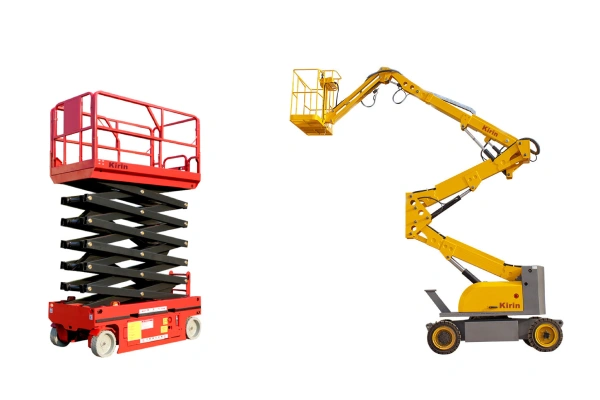
When you are operating heavy machinery at significant heights, the only thing connecting you to the ground is your set of tires. For operators and fleet managers, understanding the nuances of scissor lift tires is not just a matter of equipment longevity—it is a fundamental pillar of workplace safety. Choosing the wrong tire can lead to reduced stability, increased tip-over risks, and unnecessary downtime.
In this comprehensive guide, we will explore everything you need to know about selecting, maintaining, and maximizing the lifespan of your scissor lift tires to ensure your projects remain safe and efficient.
What Are Scissor Lift Tires?
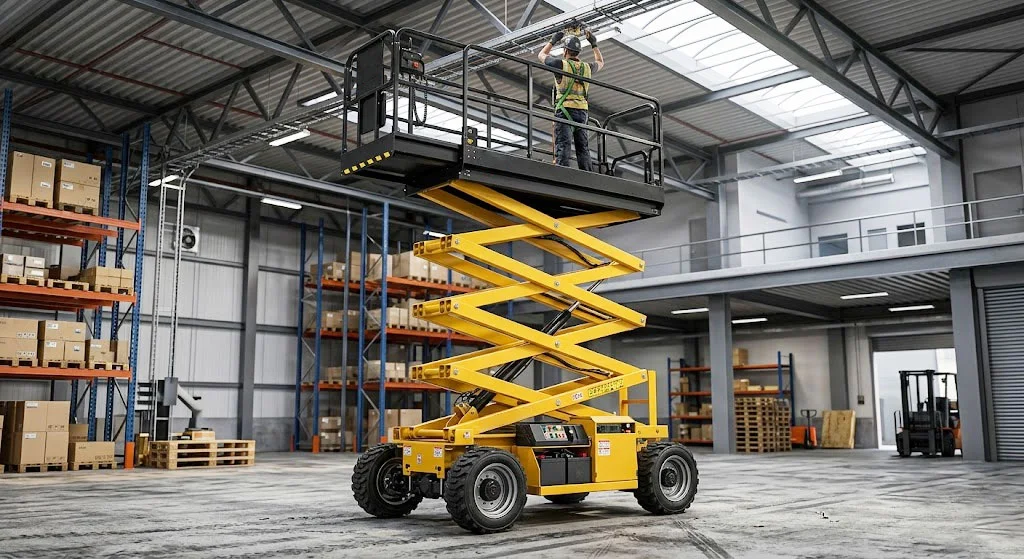
Scissor lift tires are specialized wheels designed to support the unique weight distribution and vertical movement of a scissor lift. Unlike standard automotive tires, a scissor lift tire must handle extreme “point loads.” When a lift is extended, the center of gravity shifts, placing immense pressure on the rubber compounds and internal structures of the tires.
These tires are engineered to provide a stable footprint. Because scissor lifts often work in sensitive environments—like finished warehouse floors—or rugged construction sites, the scissor lift tires must be tailored to the specific friction and load requirements of the job. Whether it is a small electric lift for indoor maintenance or a massive rough-terrain unit, the tire scissor lift components are the foundation of the machine’s performance.
Types of Scissor Lift Tires
Not all scissor lift tires are created equal. Depending on whether you are working on a sleek marble lobby or a muddy ditch, the type of tire you choose will dictate your machine’s capabilities.
Solid (Cushion) Tires
Solid or “cushion” scissor lift tires are the industry standard for indoor applications. These are made of solid rubber molded to a steel band.
- Pros: They are puncture-proof, offer excellent stability on smooth surfaces, and have a long lifespan.
- Cons: They provide very little shock absorption, making them uncomfortable and potentially dangerous on bumpy outdoor terrain.
Pneumatic Tires
Pneumatic scissor lift tires are air-filled, much like those on a truck. These are often referred to as air tires on scissor lift units designed for outdoor use.
- Pros: They provide the best “cushioning” over rocks and curbs and offer a larger footprint for better flotation on soft soil.
- Cons: They are susceptible to flats. A blowout while the platform is elevated is a catastrophic safety risk, which is why many operators prefer protected alternatives.
Foam-Filled Tires
To get the benefits of air without the risk of a flat, many choose foam-filled scissor lift tires. These start as pneumatic tires but are injected with a specialized polyurethane foam.
- Pros: They offer the “give” of air tires on scissor lift machines but are completely puncture-proof. They are essential for off-road tires for scissor lift applications where nails or rebar are present.
- Cons: They are significantly heavier than air-filled tires, which can affect the machine’s transport weight.
Non-Marking Tires
Most indoor electric lifts come equipped with non-marking scissor lift tires. These are usually solid tires made with hydrated silica rather than carbon black.
- Pros: They leave no black scuff marks on epoxy, tile, or finished concrete floors.
- Cons: They tend to wear out slightly faster than standard black rubber and can accumulate static electricity, sometimes requiring a grounding strap on the lift.
Key Factors to Consider When Choosing Scissor Lift Tires
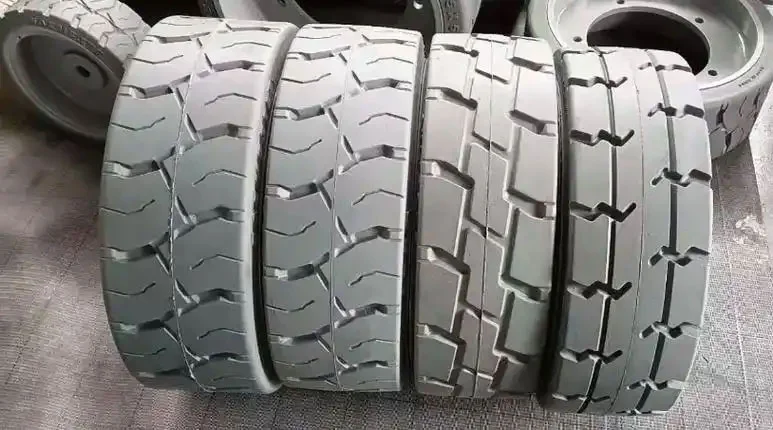
Selecting the right scissor lift tires requires a deep dive into your specific operational needs. A “one-size-fits-all” approach usually results in compromised safety.
Work Environment
The environment is the primary driver of your choice.
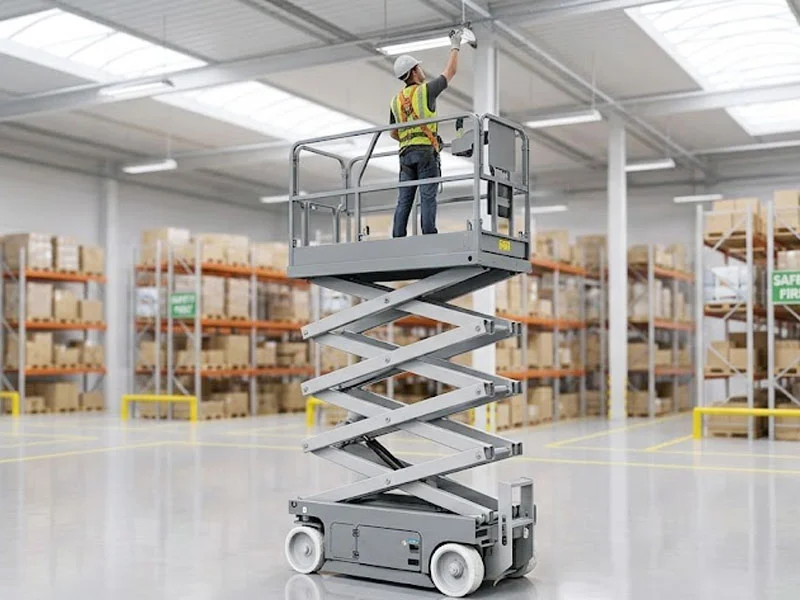
- Indoor: If you are working in a warehouse, a scissor lift tire must be non-marking and solid to handle level, hard surfaces.
- Outdoor: For construction sites, you need all terrain scissor lift tires. These feature aggressive tread patterns to grip dirt and gravel. If the ground is soft, wider scissor lift tires help prevent the machine from sinking.
Load Capacity
Every scissor lift tire has a rated load capacity. You must ensure the tire can handle the “Gross Vehicle Weight” (GVW) plus the maximum platform capacity. Remember, when a lift is on a slight incline, the weight shifts disproportionately to the downhill scissor lift tires. Always choose a tire that exceeds the minimum required specs to provide a safety buffer.
Tire Size and Compatibility
Using the wrong size scissor lift tire can throw off the machine’s calibration and tilt sensors. Check your manufacturer’s manual before ordering a scissor lift tire replacement. The width, diameter, and rim size must match exactly to maintain the machine’s center of gravity.
Traction Requirements
If your work involves ramps or inclines, traction is paramount. Off road tires for scissor lift models feature deep lugs. Conversely, for indoor flatwork, a smooth scissor lift tire provides more surface contact and better stability on polished concrete.
Durability and Maintenance Needs
Consider the total cost of ownership. While a cheaper scissor lift tire might save money upfront, a high-quality solid scissor lift tire might last three times longer in a high-cycle warehouse environment, reducing the frequency of scissor lift tire replacement and labor costs.
Safety Considerations
Safety is the most critical aspect of choosing scissor lift tires. If the tires fail, the person in the basket is at risk.
How the Wrong Tires Can Increase Accident Risk
Using air tires on scissor lift equipment in a debris-heavy demolition site is a recipe for disaster. A sudden loss of pressure (blowout) causes the lift to lean instantly. At a height of 30 feet, a 2-inch drop at the base can translate to a several-foot sway at the platform, leading to a tip-over.
Stability Concerns on Uneven Terrain
All terrain scissor lift tires are designed to deform slightly over obstacles to keep the chassis level. If you use rigid, indoor scissor lift tires on an outdoor site, the machine will “rock” over every pebble, triggering the tilt alarm and potentially locking the lift functions or causing an accident.
Importance of Regular Tire Inspections
You should inspect every scissor lift tire at the start of every shift. Look for:
- Chunking: Large pieces of rubber missing from solid scissor lift tires.
- Sidewall Cracks: Indicating dry rot or age.
- Flat Spots: Often caused by skidding or braking hard on concrete.
- Wear Bars: Most scissor lift tires have a wear line; once the rubber reaches this line, a scissor lift tire replacement is mandatory.
Maintenance Tips for Scissor Lift Tires
To get the most out of your scissor lift tires, follow a strict maintenance regimen:
- Keep Floors Clean: In warehouses, debris like metal shavings or wood chips can embed in a scissor lift tire, causing it to wear unevenly or damage floors.
- Check Pressure: If you use air tires on scissor lift units, check the PSI weekly. Even a small drop in pressure affects stability.
- Avoid Stagnation: If a lift sits in one spot for months, the scissor lift tires can develop permanent flat spots. Move the machine periodically.
- Torque the Bolts: During a scissor lift tire replacement, ensure the lug nuts are torqued to the manufacturer’s specifications. Loose wheels are a common but preventable cause of wobbling.
Common Mistakes to Avoid
- Mixing Tire Types: Never mix a solid scissor lift tire with a foam-filled or pneumatic one on the same axle. This creates an uneven base and makes the machine unstable.
- Ignoring the “Non-Marking” Requirement: Using standard black scissor lift tires on a finished floor can result in thousands of dollars in cleaning or repair costs.
- Overloading the Platform: This puts excessive heat and pressure on the scissor lift tires, leading to internal structural failure of the rubber.
- Delaying Replacement: Waiting until a scissor lift tire is completely smooth or falling apart is dangerous. Proactive scissor lift tire replacement is a hallmark of a professional operation.
Frequently Asked Questions (FAQ)
How long do scissor lift tires last?
The lifespan of scissor lift tires depends on usage. In a clean warehouse, solid scissor lift tires can last 2–5 years. On a rough construction site, all terrain scissor lift tires may need replacement every 12–18 months due to the abrasive nature of gravel and debris.
Can I switch between tire types?
Usually, yes, but you must consult the manufacturer. Switching from air tires on scissor lift units to foam-filled scissor lift tires changes the weight of the machine, which may affect its towing or floor-loading capacity.
Are non-marking tires less durable?
Generally, yes. Because they lack carbon black (a reinforcing filler), non-marking scissor lift tires are slightly softer and can wear out about 25% faster than standard black tires. However, the trade-off is necessary for indoor aesthetics.
What are the signs of tire wear?
Key signs that you need a scissor lift tire replacement include:
The tire is worn down to the “safety line” or “wear rib.”
Visible cords or metal bands.
Deep gashes or “chunking” that exceeds 2 inches in length.
The machine vibrates or wobbles during travel.
Conclusion
Choosing the right scissor lift tires is a balance of science and site-specific logic. Whether you need the ruggedness of off road tires for scissor lift tasks or the delicate touch of non-marking scissor lift tires for a high-end interior, your choice directly impacts the safety of your crew and the efficiency of your workflow.
Invest in high-quality scissor lift tires, perform regular inspections, and never hesitate to perform a scissor lift tire replacement when the signs of wear appear. By prioritizing the foundation of your machine, you ensure that your team can reach new heights with total confidence and stability.
If you have questions about which tire scissor lift setup is right for your fleet, or if you are ready to order a high-performance scissor lift tire replacement, our expert team is here to help. Reach out to us today for personalized guidance and bulk pricing.
Email: info@klingtec.com
WhatsApp: +86 188 6686 3188