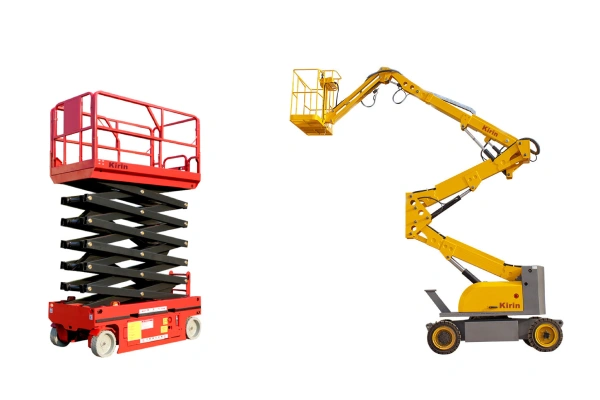
Safety at heights is not just a matter of compliance; it is a matter of survival. When you are elevated several stories above the ground, the margin for error disappears. One of the most common pieces of equipment found on construction sites and in warehouses is the scissor lift. However, there is often a significant amount of confusion regarding the use of personal protective equipment (PPE) on these machines. Specifically, operators frequently ask: When should you use a scissor lift safety harness?
In this comprehensive guide, we will dive deep into the regulations, the practicalities, and the life-saving importance of the scissor lift safety harness. Whether you are a seasoned operator or a site manager, understanding these nuances is critical for maintaining a safe working environment.
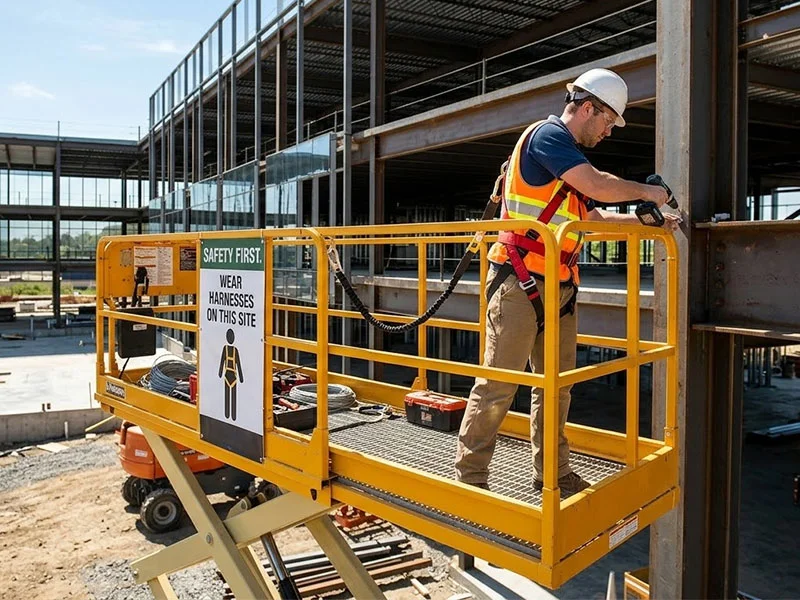
Aerial work platforms (AWPs) have revolutionized how we access high places, offering more stability than ladders and more mobility than scaffolding. Among these, the scissor lift is a staple. Despite their sturdy appearance and built-in guardrails, they are not immune to accidents. Falls remain the leading cause of fatalities in the construction industry.
The debate surrounding the scissor lift safety harness often stems from the fact that scissor lifts are technically classified differently than boom lifts. While a boom lift always requires a harness, the requirements for a scissor lift can vary based on the specific job site, the employer’s rules, and the nature of the terrain. This blog post aims to clarify those gray areas and provide a definitive resource on when and how to utilize a scissor lift safety harness to ensure every worker returns home safely.
What Is a Scissor Lift Safety Harness?
A scissor lift safety harness is a core component of a Personal Fall Arrest System (PFAS) or a Fall Restraint System. It is a wearable assembly of straps designed to distribute the forces of a fall across the user’s body—specifically the thighs, pelvis, waist, chest, and shoulders—to minimize injury.
Typically, a scissor lift safety harness is connected to a lanyard, which is then secured to a designated anchor point on the lift’s platform. There are two primary ways this setup functions:
- Fall Restraint: The lanyard is short enough to prevent the worker from ever reaching the edge of the platform. This is the preferred method on a scissor lift.
- Fall Arrest: If a worker actually falls off the platform, the scissor lift safety harness and energy-absorbing lanyard work together to stop the fall before the worker hits the ground or any lower structures.
Using a high-quality scissor lift safety harness ensures that even if a mechanical failure or a sudden jolt occurs, the operator remains tethered to the safety of the machine.
Do You Always Need a Scissor Lift Safety Harness?
The short answer to “Do you need a harness in a scissor lift?” depends on who you ask: OSHA, your employer, or the equipment manufacturer.
According to OSHA (Occupational Safety and Health Administration), scissor lifts are technically considered “mobile scaffolding.” Because they are equipped with standard guardrails, OSHA does not strictly mandate a scissor lift safety harness as long as the guardrail system is intact and the worker stays firmly on the platform floor.
However, this is where it gets complicated. Many employers and general contractors have “100% tie-off” policies that go above and beyond OSHA’s minimum requirements. Furthermore, if the guardrails are removed or if the worker must leave the confines of the rails, a scissor lift safety harness becomes legally and practically mandatory.
In summary: while federal law might not always require it, best practices and site-specific safety plans almost always dictate the use of a scissor lift safety harness to mitigate the risk of being ejected from the platform.
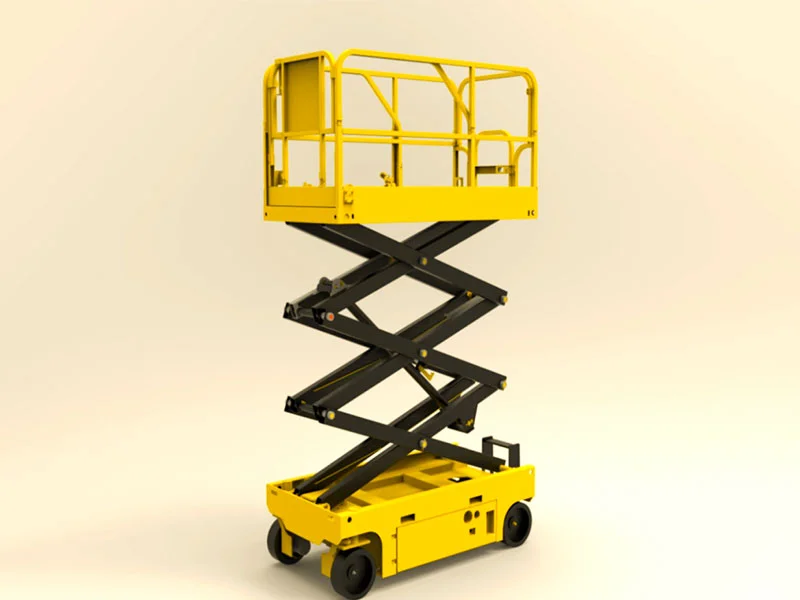
When Should You Use a Scissor Lift Safety Harness?
While guardrails provide a first line of defense, certain scenarios increase the risk of “ejection”—where a sudden bump or movement flings the operator over the rails. In these cases, wearing a scissor lift safety harness is non-negotiable.
Working at Extreme Heights
The higher you go, the more the “sway” of the machine is amplified. At maximum extension, even a small movement at the base can result in a significant lurch at the top. Using a scissor lift safety harness at extreme heights provides the necessary security against the “catapult effect” caused by wind or mechanical vibration.
Operating on Uneven or Rough Terrain
Scissor lifts are most stable on flat, level concrete. When you take them outdoors or onto unfinished floors, the risk increases. A small pothole or a piece of debris can cause the lift to tilt sharply. If you are not wearing a scissor lift safety harness, that sudden tilt can easily throw you off balance and over the side.
Working Near Obstacles or Structures
If you are working in a tight warehouse or near steel beams, there is a risk of the lift getting “snagged” on an overhead structure. If the lift is caught and then suddenly releases, the resulting spring action can be violent. A scissor lift safety harness ensures you stay within the platform during these unpredictable jolts.
Using Older or Modified Equipment
Not all lifts are created equal. Older models may have guardrails that don’t meet modern height standards, or they may have undergone repairs that affect their stability. When using equipment that isn’t brand new or has been modified, a scissor lift safety harness acts as a vital backup safety measure.
High-Risk Construction or Industrial Sites
On busy sites with heavy machinery, there is always a risk of another vehicle (like a forklift or a truck) bumping into your lift. A collision at the base can be catastrophic for someone at the top. In these high-traffic environments, a scissor lift safety harness is your only protection against a collision-induced fall.
Situations Where a Harness Is Strongly Recommended
Beyond the specific high-risk scenarios mentioned above, there are general conditions where safety professionals “strongly recommend” a scissor lift safety harness even if the law is silent:
- High Wind Conditions: When working outdoors, sudden gusts can compromise the stability of the platform.
- Tasks Requiring Lean: If a task requires an operator to reach slightly or apply pressure (like drilling into a ceiling), the reactionary force can push the lift away. A scissor lift safety harness keeps the operator tethered if they slip.
- Transferring from the Lift: If an operator must exit the lift onto a structure at height, they must be tied off using a scissor lift safety harness at all times during the transition.
- Inexperienced Operators: For those still getting used to the controls, the jerky movements common during the learning phase can be dangerous. A scissor lift safety harness provides a safety net for those still mastering the machine.
How to Properly Use a Scissor Lift Safety Harness
Simply wearing a harness is not enough; you must use it correctly. An incorrectly worn scissor lift safety harness can cause more injury during a fall than not wearing one at all.
- Step 1: Inspect the Gear. Check the webbing for frays, the buckles for rust, and the “D-ring” for cracks. If a scissor lift safety harness has been involved in a fall, it must be retired immediately.
- Step 2: The “Donning” Process. Put the harness on like a vest. Ensure the D-ring is positioned exactly between your shoulder blades.
- Step 3: Tighten the Straps. You should be able to fit a flat hand—but not a fist—between the strap and your leg. Loose straps in a scissor lift safety harness can cause severe trauma to the groin area during a fall arrest.
- Step 4: Select the Right Lanyard. For a scissor lift, a short, adjustable restraint lanyard is usually better than a long fall-arrest lanyard. You want to prevent the fall, not just catch it.
- Step 5: Attach to the Anchor Point. Only attach your scissor lift safety harness to manufacturer-designated anchor points. Never hook your lanyard to the guardrails unless they are specifically rated as anchors.
Common Mistakes When Using a Scissor Lift Safety Harness
Avoid these frequent errors to ensure your scissor lift safety harness actually does its job:
- Tying off to an External Structure: Never attach your scissor lift safety harness to a nearby building or beam. If the lift moves or falls while you are tied to something else, you will be pulled out of the platform.
- Using a Lanyard That is Too Long: If your lanyard allows you to hit the ground before it engages, the scissor lift safety harness is useless. Always calculate your “fall clearance.”
- Ignoring the Inspection: Many workers skip the pre-shift inspection. A scissor lift safety harness with a small chemical burn or a tiny tear can snap under the weight of a fall.
- Incorrect D-Ring Placement: If the D-ring is too low or too high, the scissor lift safety harness won’t distribute weight correctly, leading to potential spinal injuries.
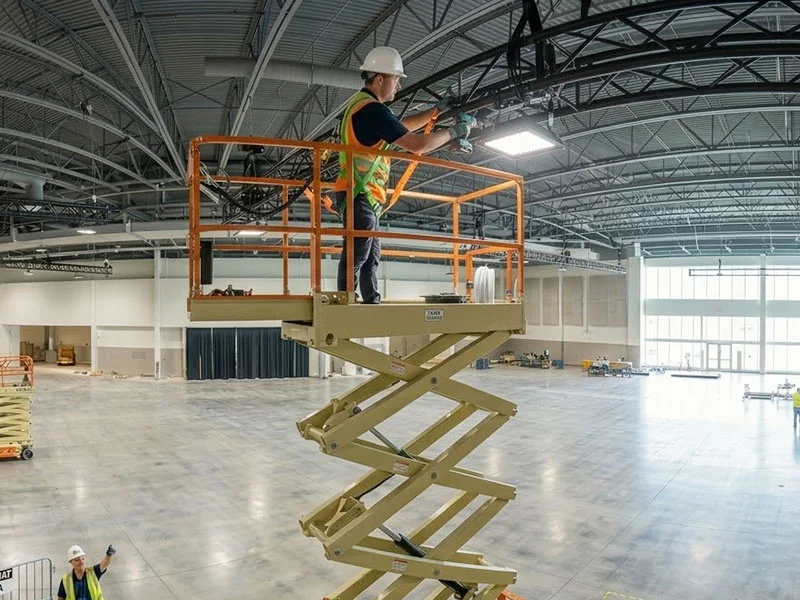
Safety Tips for Scissor Lift Operators
Safety is a holistic practice. While the scissor lift safety harness is a critical tool, it is part of a larger safety ecosystem.
Follow updated jobsite safety protocols
Always check the site-specific safety manual. If the site manager requires a scissor lift safety harness, follow the rule without exception, regardless of OSHA minimums.
Conduct pre-operation inspections
Before heading up, check the lift’s hydraulics, tires, and battery. Ensure the gate closes and latches properly. A faulty gate is a primary reason why a scissor lift safety harness becomes necessary.
Avoid overloading the Platform
Every lift has a weight capacity. Exceeding this makes the lift top-heavy and prone to tipping. Remember to include the weight of your tools and your scissor lift safety harness in your calculations.
Maintain three points of contact when possible
When climbing in or out of the lift, use two hands and one foot, or two feet and one hand. This applies even when you are wearing your scissor lift safety harness.
Always follow manufacturer guidelines
The manual is the final authority. If the manufacturer specifies that a scissor lift safety harness must be worn, it is a violation of safety standards to operate without one.
Conclusion
The question of when to use a scissor lift safety harness is often met with varying answers, but the smartest approach is one of “Safety First.” While guardrails provide a physical barrier, they cannot protect against every variable on a dynamic job site. Whether you are dealing with uneven ground, high winds, or strict company policies, wearing a scissor lift safety harness is a simple step that significantly reduces the risk of a fatal fall.
By understanding the equipment, inspecting your gear, and respecting the heights at which you work, you turn the scissor lift safety harness from a cumbersome requirement into a life-saving partner.
Safety Note: Never operate a scissor lift without proper training and certification. A scissor lift safety harness is only effective when used by a trained professional who understands the mechanics of fall protection.
FAQs
Does OSHA require a harness on a scissor lift?
OSHA does not strictly require a scissor lift safety harness if the platform has functional guardrails. However, they do require fall protection if those rails are compromised or if the employer deems it necessary.
Can I hook my harness to the guardrail?
Only if the guardrail is designated by the manufacturer as an approved anchor point. Most modern lifts have specific yellow-painted rings on the floor or frame for the scissor lift safety harness lanyard.
What is the difference between fall restraint and fall arrest?
Fall restraint prevents you from reaching the edge (preferred for scissor lifts). Fall arrest stops you after you have fallen. Both require a properly fitted scissor lift safety harness.
How often should I inspect my scissor lift safety harness?
You should perform a visual inspection before every single use and a formal documented inspection at least once every six months.