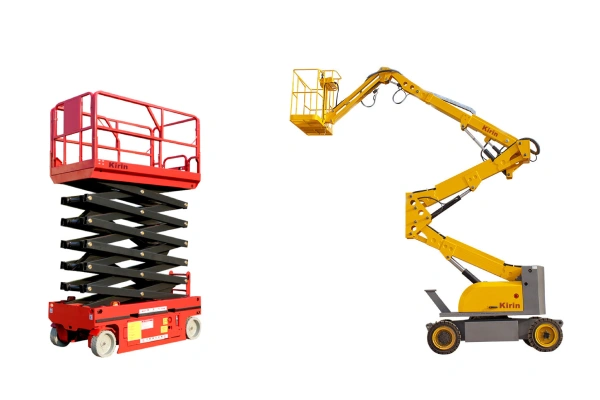
Scissor lifts are indispensable tools in construction, warehousing, and maintenance. They provide a stable platform for workers to reach heights that ladders simply cannot handle safely. However, despite their utility, they pose significant risks if not operated correctly. Every year, preventable accidents occur due to a lack of adherence to scissor lift safety protocols.
Whether you are a seasoned operator or a newcomer to the job site, understanding scissor lift safety is not just about compliance—it is about ensuring everyone goes home safe at the end of the shift. This guide explores the ten essential rules for scissor lift safety, aligned with scissor lift safety regulations and industry best practices.
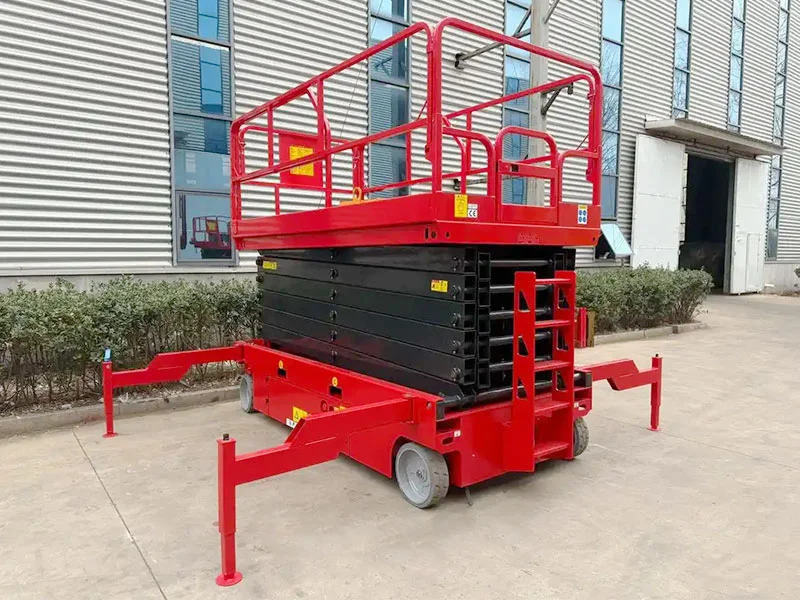
Operating a scissor lift might seem straightforward compared to a boom lift or a crane, but this perceived simplicity often leads to complacency. According to scissor lifts safety OSHA data, the most common causes of injuries involve falls, tip-overs, and electrocutions.
A comprehensive scissor lift safety program is the backbone of a productive worksite. By integrating scissor lift safety tips into daily routines, companies can reduce downtime and protect their most valuable asset: their people. From understanding scissor lift safety requirements to following the scissor lift safety manual, this post covers the critical steps needed to maintain a high standard of scissor lift safety.
Rule #1: Prioritize Pre-Operation Inspections
You should never start a machine without knowing its current condition. A pre-operation inspection is the first line of defense in scissor lifts safety.
Mechanical Checks
Before mounting the platform, walk around the unit. Check for fluid leaks (hydraulic oil or battery acid), cracked welds, and the condition of the tires. Ensure that all scissor lifts safety stickers and scissor lift safety labels are legible. These labels provide critical information regarding load limits and operation hazards.
Function Tests
Once the visual inspection is complete, test the controls. Ensure the emergency stop buttons work on both the platform and the ground console. Check the scissor lift safety lights and alarms to ensure they activate when the lift moves. If any component fails, the lift must be tagged “Out of Service” immediately.
Pro Tip: Keep a scissor lifts safety checklist based on the manufacturer’s scissor lift safety manual to ensure no component is overlooked during the morning inspection.
Rule #2: Assess the Worksite Environment
Even the most well-maintained lift is dangerous if the ground beneath it is unstable. Assessing the environment is a core pillar of scissor lifts safety precautions.
- Ground Conditions: Scissor lifts require firm, level surfaces. Look for potholes, debris, or soft soil that could cause the lift to tilt.
- Overhead Obstructions: Check for beams, ceiling fans, or hanging lights.
- Electrocution Hazards: This is a major focus of scissor lifts safety OSHA guidelines. Always maintain a minimum distance of 10 feet from energized power lines.
- Weather Factors: For outdoor work, wind speed is a critical scissor lifts safety factor. Most scissor lifts are not rated for use in high winds, which can turn the platform into a sail and cause a tip-over.
Rule #3: Never Bypass Guardrails
Guardrails are the primary scissor lifts safety features designed to prevent falls. They are not optional, and they are not leaning posts.
Proper Use of Rails
Never sit, stand, or climb on the guardrails. Workers often feel tempted to gain a few extra inches of reach by standing on the mid-rails or top rails, but this is a direct violation of scissor lift safety requirements.
The Scissor Lift Safety Chain
If your lift is equipped with a scissor lifts safety chain or a swing gate at the entrance, it must be closed and latched the moment you enter the platform. An open entry point is a fall waiting to happen. Maintaining scissor lifts safety means ensuring the “envelope” of the guardrail system remains intact at all times.
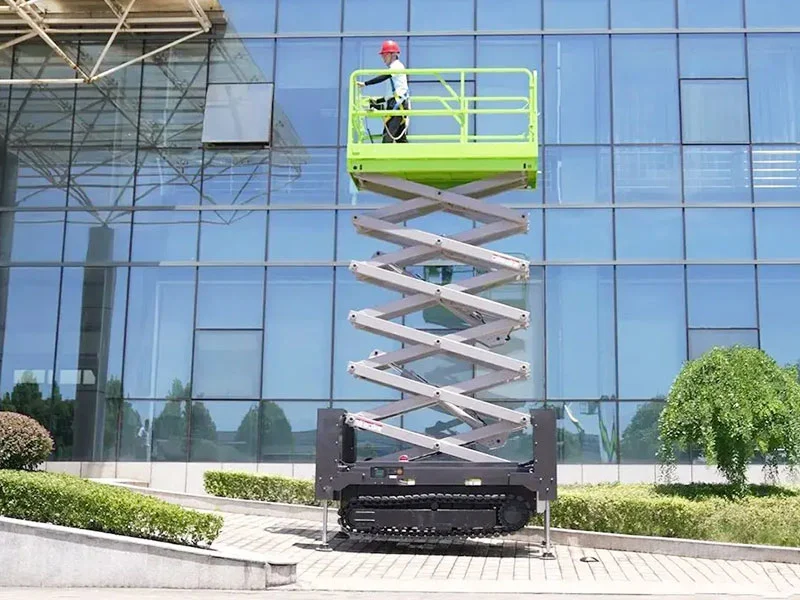
Rule #4: Respect Load Capacities
Every lift has a maximum weight limit, and exceeding it is a recipe for disaster. This weight includes not just the workers, but their tools, equipment, and materials.
Calculating the Load
Check the data plate on the machine or the scissor lifts safety signs located near the controls for the rated capacity. If you are lifting heavy drywall, piping, or HVAC components, you must factor that weight into your scissor lifts safety calculations.
Overloading Consequences
Overloading shifts the center of gravity, making the lift unstable. It also puts undue stress on the hydraulic system and the scissor mechanism. Following scissor lifts safety guidelines regarding weight ensures the machine operates within its structural design limits.
Rule #5: Maintain a “Safe Distance” from Hazards
Scissor lifts safety involves being aware of what is happening around the machine, not just on the platform.
Crushing and Entrapment
One of the most dangerous aspects of operating a lift is the risk of being crushed between the platform and an overhead structure. Always look in the direction of travel. When elevating, keep your hands and body inside the guardrails to avoid “pinch points” in the scissor arms.
Pedestrian Safety
In busy warehouses, scissor lift safety extends to those walking nearby. Use scissor lifts, safety warning signs, and cones to cord off the work area. Ensure your scissor lifts safety lights are flashing to alert others of your presence.
Rule #6: Use Proper Fall Protection (If Required)
There is often confusion regarding fall arrest systems on scissor lifts. Unlike boom lifts, where harnesses are mandatory, scissor lifts safety OSHA standards generally consider the guardrails to be sufficient fall protection.
When to Wear a Harness
However, many employers and specific job sites have stricter scissor lift safety requirements that mandate the use of a body harness and lanyard. If your company’s scissor lifts safety program requires fall protection, or if the manufacturer’s scissor lifts safety manual specifies it, you must comply.
Lanyard Attachment
Never attach a lanyard to an adjacent structure or a guardrail unless there is a designated anchor point. Following these scissor lifts safety procedures prevents you from being pulled out of the lift if it moves or tips.
Rule #7: Move the Lift Safely
Moving a scissor lift while the platform is elevated is one of the most high-risk maneuvers in scissor lifts safety.
- Slow Speed: Most modern lifts automatically switch to a “creep” speed when elevated. Never bypass this scissor lifts safety feature.
- Clear Path: Ensure the path of travel is clear of tools, cords, and people.
- Avoid Slopes: Never drive a lift on a slope or grade that exceeds the manufacturer’s rating.
If you are conducting scissor lifts safety toolbox talks, emphasize that the lift should be lowered to its stowed position before traveling long distances. This is the gold standard for scissor lifts safety.
Rule #8: Prevent Tip-Overs
Tip-overs are frequently fatal. To maintain a safety scissor lift, you must understand the physics of the machine.
| Factor | Scissor Lift Safety Action |
| Wind | Check anemometer readings; do not operate if wind exceeds limits. |
| Leveling | Use outriggers if equipped and ensure the “tilt” alarm is functional. |
| Lateral Force | Do not pull or push heavy objects from the platform; it can create a “pendulum” effect. |
| Bumping | Never allow another vehicle or piece of equipment to bump the lift. |
By following these scissor lift safety precautions, you ensure the machine’s center of gravity stays within its wheelbase.
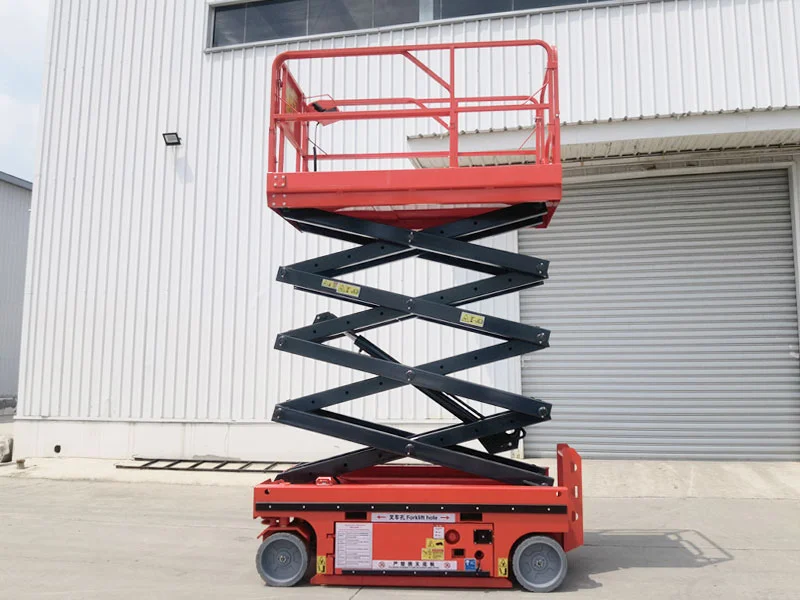
Rule #9: Ensure Proper Training and Certification
You should never step onto a lift unless you have completed a scissor lift safety course.
The Importance of Training
A proper scissor lift safety program includes both classroom learning and hands-on evaluation. Workers must be familiar with the specific model they are using, as controls can vary between brands.
Resources for Learning
Many companies use a scissor lift safety PowerPoint or a scissor lift safety video to train employees. After training, a scissor lift safety quiz is often administered to verify knowledge. Remember, scissor lift safety regulations require that only “qualified” and “authorized” personnel operate the equipment.
Rule #10: Secure the Lift After Use
Scissor lift safety doesn’t end when the job is done. Properly shutting down the machine prevents unauthorized use and accidents.
- Lower the Platform: Always return the platform to its lowest position.
- Turn Off Power: Shut off the engine or turn the key to the “off” position.
- Remove the Key: This is a vital safety scissor lift step to prevent untrained individuals from trying to use the lift.
- Charge the Battery: If it’s an electric model, plug it in at a designated charging station to ensure it’s ready for the next shift.
Conclusion
Maintaining scissor lift safety is a continuous process that requires vigilance, education, and respect for the machinery. By following these ten rules—from pre-operation inspections and respecting load capacities to ensuring proper training—you create a culture of safety that protects everyone on the job site.
Always remember that scissor lift safety is not just a set of rules found in a scissor lift safety manual; it is a mindset. Stay alert, follow scissor lifts safety OSHA guidelines, and never take shortcuts.
FAQs
Where can I find a scissor lift safety poster for my job site?
Many equipment manufacturers and safety organizations provide a scissor lift safety poster that can be downloaded and printed. These are excellent for reinforcing scissor lift safety tips in breakrooms.
Is a harness required by scissor lift safety OSHA standards?
Generally, OSHA considers guardrails as the primary fall protection for scissor lifts. However, if the guardrails are removed or if the employer mandates it, a harness becomes part of the scissor lift safety requirements.
What should be included in scissor lift safety toolbox talks?
Scissor lift safety toolbox talks should cover recent “near misses,” a review of the scissor lift safety manual, and a reminder to check for overhead power lines.
How often should a scissor lift safety course be taken?
While OSHA requires initial training, retraining should occur if an operator is seen operating unsafely, if there is an accident, or if the operator is assigned to a different type of lift. Many companies mandate a refresher every three years as part of their scissor lift safety program.
What do scissor lift safety warning signs usually indicate?
Scissor lift safety warning signs usually warn of crush hazards, tipping risks, or the presence of high-voltage batteries.