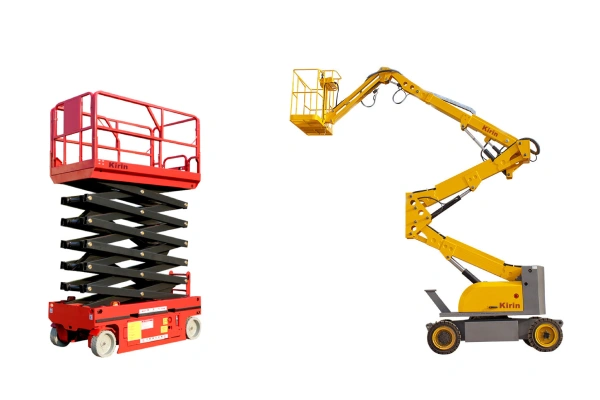
In the world of industrial maintenance, construction, and warehousing, the scissor lift is an indispensable tool. It provides a stable, vertical platform for workers to reach heights safely and efficiently. However, like any heavy machinery, these units are subject to wear, tear, and operational glitches. Encountering scissor lift problems can lead to more than just a minor inconvenience; it can result in costly downtime, missed deadlines, and, most importantly, significant safety risks for operators.
Understanding the root causes of common scissor lift problems is the first step toward maintaining a productive worksite. Whether you are dealing with scissor lift hydraulic problems or complex scissors lift electrical problems, knowing how to troubleshoot and, better yet, prevent these issues is vital. This comprehensive guide is designed to walk you through the most frequent challenges faced by operators and maintenance teams, providing actionable solutions to keep your equipment in peak condition.
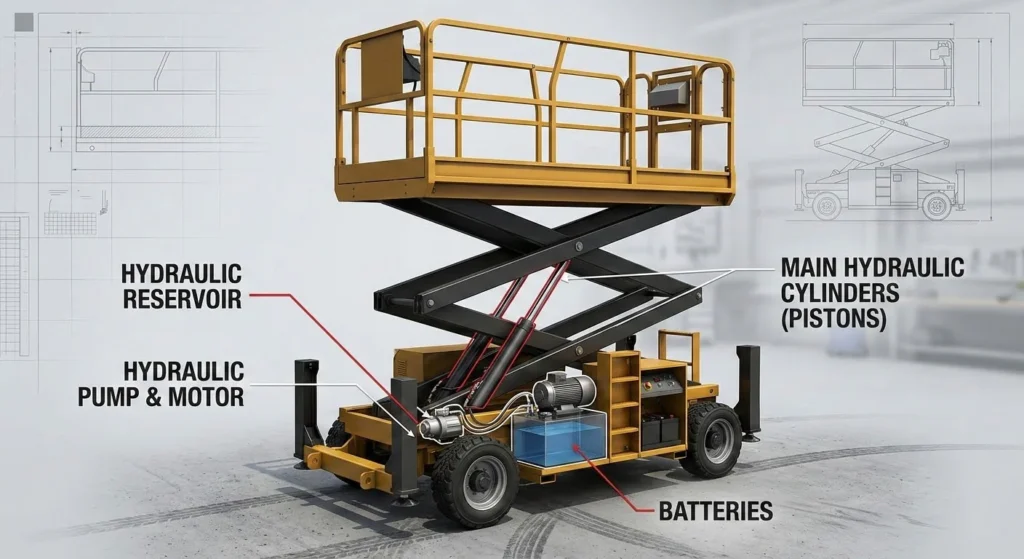
What Are the Most Common Scissor Lift Problems?
When we look at the landscape of aerial lift maintenance, scissor lift problems generally fall into three primary categories: hydraulic, electrical, and mechanical. While modern engineering has made these machines incredibly durable, the environment in which they operate—often dusty, outdoor, or high-intensity—contributes to several recurring issues.
Commonly reported scissor lift problems include sluggish lifting speeds, the platform’s inability to lower, jerky movements, or complete power failure. Often, these issues stem from a lack of regular maintenance or a misunderstanding of the machine’s load capacities. By identifying these common scissor lift problems early, fleet managers can implement “prevent and fix” strategies that extend the lifespan of their investment.
Hydraulic System Failures
The hydraulic system is the “muscle” of the machine. When you encounter scissor lift hydraulic problems, they usually affect the lift’s core functionality. Because these systems rely on pressurized fluid to move heavy loads, even a small breach can cause major problems with the scissor lift.
Leaking Seals and Hoses
The most visible problem among hydraulic scissor lifts is fluid leaks. Over time, high-pressure hoses can fray, and O-rings or seals can crack. If you notice a puddle of red or clear fluid beneath the machine, you are likely dealing with scissor lift hydraulic problems that will eventually cause a loss of pressure.
Fluid Contamination
Hydraulic fluid must remain pure to function. Dirt, water, or metal shavings can enter the reservoir, causing internal damage to the pump. This is one of the more insidious scissor lift problems because the damage happens internally before the operator notices a change in performance.
Air in the System
If the lift moves in a “bouncy” or “spongy” manner, you might have air trapped in the hydraulic lines. This is a frequent entry in the list of common scissor lift problems following a hose replacement or fluid refill.
Scissor Lift Won’t Lift or Raise Slowly
One of the most frustrating scissor lift problems occurs when the operator engages the controls, and nothing happens, or the platform creeps upward at a snail’s pace. This specific set of scissor lift problems is often tied to either the power source or the weight being lifted.
Overloading the Platform
Before assuming you have mechanical scissor lift problems, check the load. Every lift has a strictly defined capacity. If the weight exceeds this limit, the safety relief valve will trigger, preventing the lift from rising. Overloading is a leading cause of long-term scissor lift problems, as it strains every component from the motor to the scissor arms.
Pump and Motor Issues
If the motor is running but the platform isn’t moving, you may be facing piston scissor lift problems. The pump may be unable to generate enough flow, or the piston itself may be bypassing fluid internally. When scissor lift problems involve the pump, you will often hear a high-pitched whining sound, indicating that the component is struggling to move fluid.
Low Hydraulic Fluid Levels
Always check the reservoir. Low fluid is a simple fix, but it is one of the most frequently overlooked common scissor lift problems. Without enough fluid, the pump cannot create the vacuum necessary to extend the cylinders.
Platform Does Not Lower Properly
While failing to lift is a productivity killer, a platform that refuses to lower is a serious safety hazard. These scissor lift problems often leave operators stranded at height, requiring emergency lowering procedures.
Stuck Solenoid Valves
The lowering function is typically controlled by an electrical solenoid that opens a valve to allow fluid to return to the tank. If this valve becomes stuck or the coil fails, you have an instance of scissors lift electrical problems manifesting as hydraulic failure. This is one of the scissor lift problems that requires a multimeter to diagnose properly.
Obstructions in the Scissor Stack
Sometimes scissor lift problems are purely physical. Debris, tools, or even hardened mud can get caught in the “scissoring” mechanism. If the stack cannot be closed physically, the platform will not lower. Regular visual inspections are the best way to prevent common scissor lift problems.
Emergency Lowering Valve Engagement
In some cases, the manual emergency lowering pull-knob may be partially engaged or stuck. This creates a loop in which the fluid cannot build pressure or return properly, leading to inconsistent scissor lift performance.
Electrical System Malfunctions
As machines become more advanced, scissors lift electrical problems have become more prevalent. These systems manage everything from the drive function to the tilt sensors.
Scissor Lift Battery Problems
Battery issues are perhaps the most common scissor lift problems. If the batteries are not watered (for lead-acid types) or charged correctly, the machine will exhibit “ghost” symptoms—cutting out unexpectedly or losing power under load. Scissor lift battery problems can often be traced back to “sulfation” or corroded terminals.
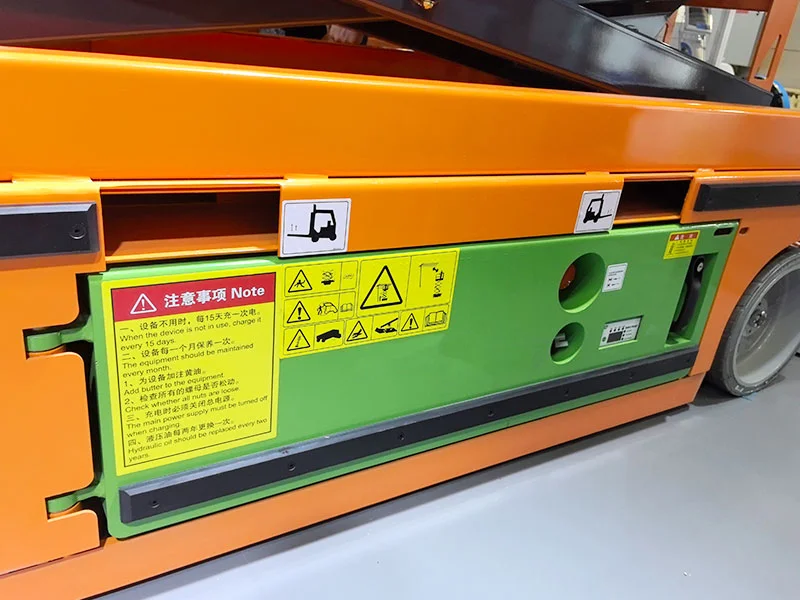
Corroded Wiring and Joysticks
Because these machines are often washed with high-pressure water or left in the rain, moisture can enter the control box. This leads to scissors lift electrical problems like short circuits or unresponsive joysticks. If your machine is jerking or moving without input, you are dealing with dangerous scissor lift problems that require immediate lockout-tagout.
Blown Fuses and Tripped Breakers
When the lift won’t turn on at all, start with the basics. High-amperage draws can blow fuses. While replacing a fuse is easy, it is important to ask why it blew. Recurring blown fuses point to deeper scissors lift electrical problems in the wiring harness.
Structural and Mechanical Wear
If you ignore minor scissor lift problems, they eventually evolve into structural failures. The mechanical integrity of the lift is what keeps the platform level and stable.
Pivot Point Wear
The “pins” and “bushings” at every intersection of the scissor arms are under immense pressure. If not greased, they wear down, leading to a “wobbly” platform. This is one of the common scissor lift problems that can be felt by the operator long before it is seen.
Cracked Welds
Constant stress can lead to hairline fractures in the steel. While rare in high-quality brands, structural scissor lift problems are non-negotiable safety failures. A daily walk-around inspection is essential to catch these scissor lift problems before they result in a collapse.
Tire and Wheel Damage
In the category of common scissor lift problems, “chunking” of the solid rubber tires is frequent. Damaged tires can cause the lift to lean or vibrate, which is amplified as the platform reaches maximum height.
Safety System Failures
Safety systems are designed to prevent accidents, but when they malfunction, they become scissor lift problems themselves.
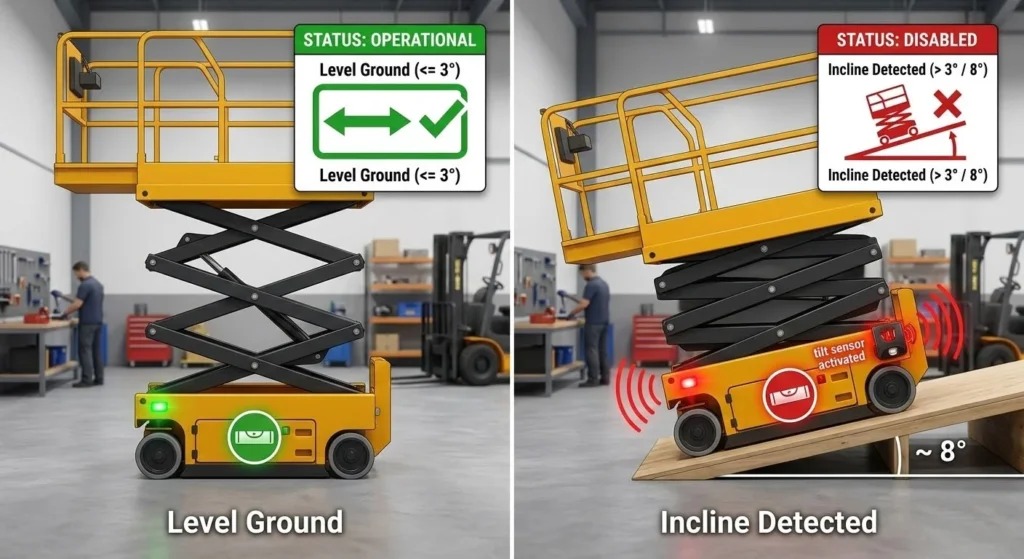
Tilt Sensor Malfunctions
If the lift is on a slight incline, the tilt sensor will prevent it from rising. However, if the sensor is miscalibrated, it may flag scissor lift problems even on level ground. This prevents the machine from working entirely.
Pothole Protection Issues
Most modern scissor lifts have “pothole guards” that deploy when the platform rises. If these guards fail to deploy—or fail to retract when the platform is lowered—the lift will enter a “limp mode.” These scissor lift problems are usually caused by bent limit switches or debris.
Overload Sensors
As mentioned earlier, the overload sensor is a critical safety feature. If it fails, the machine might allow an unsafe load or refuse a safe one. Calibrating these sensors is a key part of solving recurring scissor lift problems.
Environmental Factors That Cause Scissor Lift Problems
External conditions play a huge role in the frequency of scissor lift problems.
- Extreme Cold: Cold weather thickens hydraulic fluid, leading to scissor lift hydraulic problems and sluggish movement. It also significantly reduces battery capacity, causing scissor lift battery problems.
- Dust and Sand: In construction sites, grit acts as an abrasive on the piston rods. This leads to piston scissor lift problems as the seals are shredded by the debris.
- Corrosive Environments: If used near saltwater or chemical plants, electrical connectors will corrode faster, leading to a higher rate of scissors lift electrical problems.
Preventive Maintenance Tips to Avoid Scissor Lift Problems
The most effective way to handle scissor lift problems is to ensure they never happen. A proactive maintenance schedule can eliminate 90% of common scissor lift problems.
- Daily Inspections: Check fluid levels, battery charge, and look for leaks. Identifying scissor lift problems at 7:00 AM saves a whole day of lost work.
- Monthly Lubrication: Grease all pivot points. Proper lubrication prevents the mechanical scissor lift problems that cause platform instability.
- Battery Care: Keep terminals clean and check water levels weekly. Addressing scissor lift battery problems early prevents the need for expensive battery pack replacements.
- Annual Professional Inspection: Have a certified technician check the “piston scissor lift problems” and calibrate the safety sensors.
- Keep it Clean: Washing away mud and debris prevents scissor lift problems related to stuck valves and obstructed limit switches.
| Maintenance Task | Frequency | Target Problem |
| Check Hydraulic Fluid | Daily | Scissor lift hydraulic problems |
| Charge Batteries | Daily | Scissor lift battery problems |
| Grease Pivot Pins | Monthly | Structural/Mechanical wear |
| Check Electrical Cables | Monthly | Scissors lift electrical problems |
| Full Safety Recertification | Annually | All common scissor lift problems |
Conclusion
Mastering the art of identifying and fixing scissor lift problems is essential for anyone operating in the industrial sector. From the common scissor lift battery problems that halt production to the more technical piston scissor lift problems that require expert repair, being prepared is your best defense.
By staying vigilant and prioritizing preventive maintenance, you can ensure that your equipment remains a safe, reliable partner on the job site. Remember, most scissor lift problems start small. A tiny leak today is a hydraulic failure tomorrow. Treat your machinery with respect, follow the guidelines in this post, and you will significantly reduce the occurrence of common scissor lift problems.
FAQs
Why is my scissor lift jerky when moving?
Jerky movement is often one of the scissor lift hydraulic problems caused by air in the lines or a low fluid level. It can also be caused by scissors lift electrical problems if the joystick controller is sending inconsistent signals to the motor.
How do I fix scissor lift battery problems?
Start by cleaning the terminals with a mixture of baking soda and water to remove corrosion. Ensure the battery is fully charged. If the scissor lift battery problems persist, you may need to perform a load test to see if the cells are dead.
Can I use any hydraulic oil to fix scissor lift hydraulic problems?
No. You must use the specific grade of hydraulic oil recommended by the manufacturer. Using the wrong oil can cause seal failure and lead to more severe scissor lift problems.
What are the most common scissors lift electrical problems?
The most frequent scissors lift electrical problems include blown fuses, loose ground wires, and moisture in the control box. These often manifest as the lift being “dead” or refusing to move in a specific direction.
How often should I check for scissor lift problems?
A basic safety check should be performed daily before every shift. A more technical, in-depth inspection for common scissor lift problems should be conducted monthly or every 250 hours of operation.