In the fast-paced world of logistics and inventory management, the modern warehouse is a dynamic environment where maximizing every minute and minimizing risk are paramount. The tools and equipment deployed are critical determinants of operational success. Among the most versatile and valuable assets in this setting is the scissor lift in warehouse operations.
This essential piece of equipment has moved far beyond simple vertical access, becoming a cornerstone for sophisticated, safety-conscious, and highly productive inventory management and maintenance strategies. A scissor lift in warehouse settings offers an unparalleled combination of stability, maneuverability, and reach, fundamentally transforming how tasks at height are executed.
This comprehensive guide will explore how integrating the scissor lift in warehouse environments can dramatically enhance efficiency, elevate safety standards, and significantly boost overall productivity.
Key Applications of Scissor Lifts in Warehouse Environments
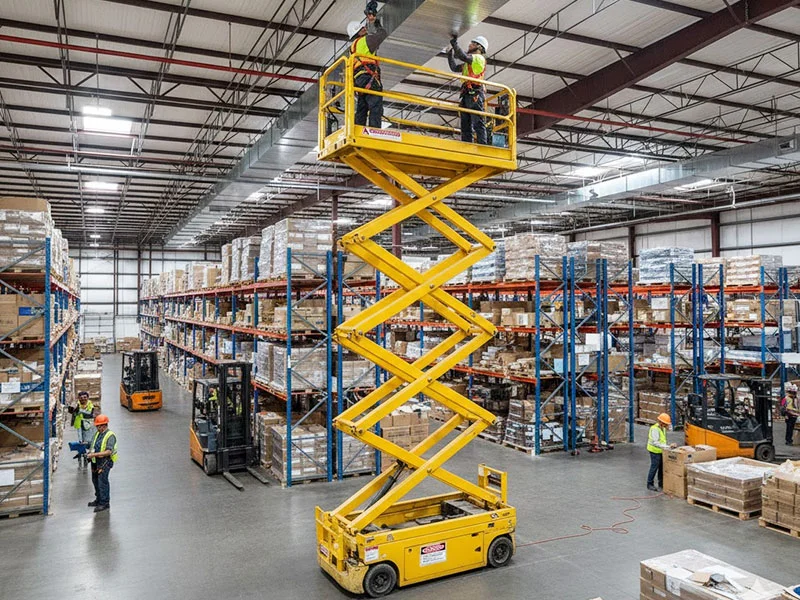
The sheer adaptability of the scissor lift in warehouse operations allows it to address a wide spectrum of essential tasks, distinguishing it from traditional ladders or more cumbersome machinery. Its unique design, which utilizes crisscrossing supports that extend vertically, provides a large, stable work platform capable of handling personnel, tools, and materials.
Here are the primary applications where a scissor lift in warehouse environments proves indispensable:
- Stock Picking and Retrieval: In high-bay warehouses, manually accessing inventory on upper shelves is time-consuming and hazardous. The scissor lift in warehouse allows operators to move seamlessly along aisles, stopping precisely at the required height to safely and quickly pick or put away items, even irregularly sized ones. This vastly improves the efficiency of cycle counting and order fulfillment.
- High-Level Maintenance and Repairs: From repairing damaged overhead lighting and sprinkler systems to accessing HVAC ducts and conducting structural inspections, a scissor lift in warehouse provides a secure platform. This eliminates the precariousness of working from a ladder or scaffolding, ensuring maintenance tasks are completed faster and with greater precision.
- Installation of Shelving and Racking: Warehouse layout optimization and expansion are frequent needs. During the installation of new storage systems, the scissor lift in warehouse serves as the ideal mobile workstation for securing vertical components and placing crossbeams at designated heights.
- Signage and Visual Merchandising: For warehouses that also double as distribution centers or have complex internal guidance systems, the lift facilitates the safe hanging and adjustment of signs, banners, and digital display units, ensuring clear directional information for staff.
- Inventory Auditing and Inspection: Comprehensive inventory checks, particularly in hard-to-reach areas, are simplified. The solid platform of the scissor lift in warehouse allows workers to bring necessary scanning equipment, clipboards, or tablets with them, enabling accurate, real-time data capture at height.
The consistent presence of the scissor lift in warehouse duty cycles speaks volumes about its utility, offering a powerful return on investment through task acceleration and error reduction.
Enhancing Safety with Scissor Lifts
Safety is not just a regulatory requirement; it is a moral imperative and a core component of operational effectiveness. The introduction of the scissor lift in warehouse operations represents one of the most significant advancements in reducing workplace accidents related to working at height.
Statistics consistently show that falls are a leading cause of severe injury in industrial settings. The design and features of the modern scissor lift in warehouse equipment are engineered to mitigate this risk substantially:
- Superior Stability and Platform: Unlike portable ladders, which rely on the operator for balance, the scissor lift in warehouse utilizes a wide, stable base and robust mechanisms to maintain equilibrium, even when the platform is fully extended. The platform is typically spacious enough for two people and their tools, eliminating the need to precariously hold equipment while ascending.
- Integrated Guardrails and Safety Features: Every scissor lift in warehouse models are equipped with full-height guardrails, providing a physical barrier against falls. Furthermore, modern units often include safety interlocks that prevent the platform from being raised unless the outriggers (if present) are properly deployed and wheel brakes are engaged.
- Controlled, Smooth Operation: Operators control the ascent and descent using intuitive, often ergonomic, controls. This smooth, precise movement capability ensures that workers are not subject to sudden jolts or shifts, which can lead to loss of balance or dropped tools.
- Reduced Strain and Fatigue: By providing a stationary, safe working environment at height, the scissor lift in warehouse operation reduces the physical strain and fatigue associated with repeated climbing up and down ladders. Less fatigued workers are more attentive and less prone to making critical errors.
- Compliance with OSHA Standards: Utilizing certified and regularly inspected scissor lift in warehouse equipment helps facilities remain compliant with Occupational Safety and Health Administration (OSHA) regulations for elevated work platforms, safeguarding the business from potential fines and legal liabilities.
Investing in a high-quality scissor lift in warehouse environment is, fundamentally, an investment in the well-being of the workforce.
Boosting Overall Warehouse Productivity
The direct link between a scissor lift in warehouse facilities and increased productivity stems from its ability to minimize downtime and maximize the time workers spend actively engaged in tasks.
The following elements illustrate how the scissor lift in warehouse contributes to a more productive operation:
- Faster Access to Work Areas: The ability to rapidly elevate a worker and their materials directly to the work site, with minimal setup time compared to scaffolding, is a game-changer. Whether it’s reaching a high shelf for a single SKU or performing a quick ceiling fix, the speed of deployment is unrivaled.
- Increased Payload Capacity: Many models of the scissor lift in warehouse are rated to carry significant weights. This allows a worker to take all necessary tools, fasteners, replacement parts, or a large volume of inventory up in one trip, eliminating multiple ascents and descents. This single-trip efficiency is a massive productivity multiplier.
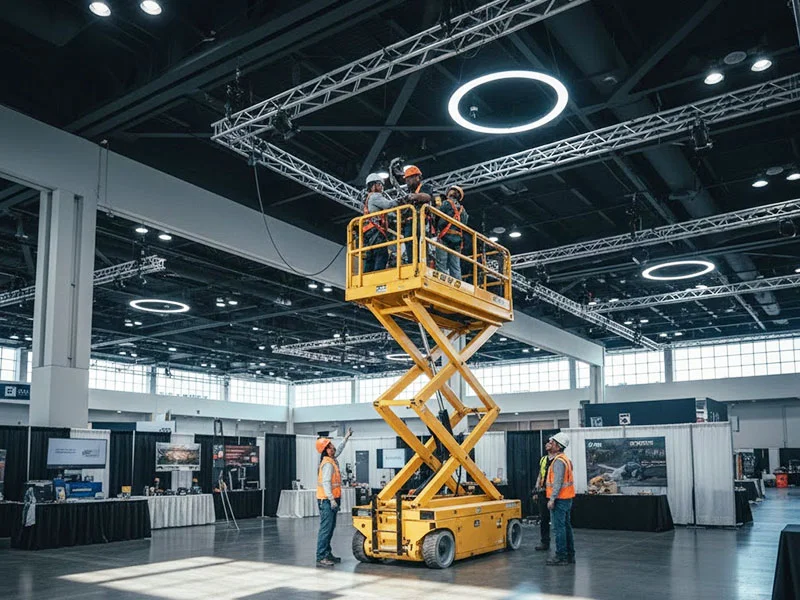
- Versatility Across Tasks: A single scissor lift in warehouse can be used across multiple departments and for various functions (maintenance, stocking, inventory). This versatility means fewer specialized pieces of equipment are needed, simplifying training and scheduling.
- Optimizing Vertical Space: By allowing safe and routine access to higher racking levels, the scissor lift in warehouse helps facilities take full advantage of their vertical storage capacity. This density of storage means more inventory can be housed in the same footprint, delaying or eliminating the need for expensive facility expansion.
- Improved Work Quality: A stable, level platform enables workers to focus entirely on the task at hand rather than maintaining balance. This stability translates directly to higher quality work—whether it is securing a load properly, making a precise repair, or accurately counting inventory.
The seamless integration of the scissor lift in warehouse workflows transforms previously time-consuming, two-person jobs into quicker, more manageable single-person operations.
Selecting the Optimal Scissor Lift for Warehouse Applications
Choosing the right scissor lift in warehouse environment is crucial for maximizing its benefits. The decision involves weighing various technical specifications against the specific operational needs of the facility.
1. Electric vs. Hydraulic
The power source is a fundamental consideration, especially for indoor use:
- Electric Scissor Lifts: These are the standard for indoor warehouse environments. They are battery-powered, resulting in zero emissions—critical for maintaining air quality and complying with indoor regulations. They are also significantly quieter than combustion-powered models, which is essential for a busy warehouse floor where communication and focus are necessary. Electric scissor lift in warehouse models require routine battery charging and typically have non-marking tires.
- Hydraulic/Rough Terrain Lifts: While some robust warehouses may utilize diesel or gas-powered hydraulic lifts for outdoor yard work, these are generally too noisy and produce too many fumes for indoor use.
2. Lift Height and Platform Size
Matching the lift’s capabilities to the facility’s needs is key:
- Maximum Lift Height: This is arguably the most critical factor. The lift’s platform must be able to reach your highest storage shelf or overhead structure with a comfortable margin of safety. Always calculate the height from the floor to the maximum work height, not just the platform height.
- Platform Size and Capacity: Consider how many workers typically need to be on the platform and the maximum weight of tools or inventory they will carry. A larger platform offers more maneuverability for bulky items, but a smaller one is better for navigating narrow aisles. The width of the scissor lift in warehouse is often constrained by aisle widths.

3. Maintenance and Inspection
Even the most robust scissor lift in warehouse equipment requires diligent maintenance to maintain safety and efficiency:
- Pre-Shift Inspections: Operators must be trained to perform a mandatory walk-around inspection before each shift, checking fluid levels, tire pressure, control functionality, and safety mechanisms.
- Scheduled Maintenance: Follow the manufacturer’s recommended maintenance schedule, which includes checking hydraulic systems, battery health (for electric models), and structural integrity.
- Training and Certification: Ensure every employee operating a scissor lift in warehouse is properly trained and certified. This is a critical legal and safety requirement that maximizes equipment lifespan and minimizes human error.
The life of a productive scissor lift in warehouse relies heavily on a proactive, consistent maintenance regime.
Conclusion
The modern scissor lift in warehouse is far more than a simple machine for vertical access; it is an integrated solution that supports a warehouse’s core strategic goals: efficiency, safety, and productivity. From enabling rapid stock retrieval to ensuring high-level repairs are conducted without incident, the versatility and robust safety features of this equipment are indispensable.
By carefully selecting the right electric model, matching its specifications to the height and aisle dimensions of your facility, and instituting a rigorous training and maintenance program, businesses can realize a significant, tangible return on investment.
Maximizing Warehouse Efficiency with Scissor Lifts
If you are looking to:
- Minimize the risk of falls and workplace accidents.
- Cut the time spent on inventory management and overhead maintenance.
- Maximize the utilization of your vertical storage space.
Then, integrating a high-quality scissor lift in warehouse operation is the logical next step toward operational excellence.
FAQs
Here are answers to some of the most frequently asked questions about the scissor lift in warehouse application:
Are there size restrictions for using a scissor lift in warehouse aisles?
Yes, the width of the scissor lift in warehouse platform and chassis must be significantly less than the width of your narrowest operational aisle. It is essential to measure your aisles and turning radii before purchase, prioritizing models designed for narrow-aisle access.
Can a scissor lift be used on an uneven floor?
Most scissor lift in warehouse models are designed for level, flat concrete floors. While some rugged, outdoor models have self-leveling capabilities, it is generally unsafe and prohibited to operate standard indoor electric lifts on sloped or uneven surfaces.
How often must a scissor lift be inspected?
According to best practice and industry standards (including OSHA in the US), a formal inspection of the scissor lift in warehouse must occur annually, or more frequently if the unit has been subject to heavy use or has been modified. Additionally, a thorough pre-shift inspection is required before each use.
What is the average lifespan of a warehouse scissor lift?
With proper, consistent maintenance and responsible operation, an electric scissor lift in warehouse can have a serviceable lifespan of 10 to 15 years, or often longer, demonstrating exceptional durability and value.
What is the main difference between a scissor lift and a boom lift for warehouse use?
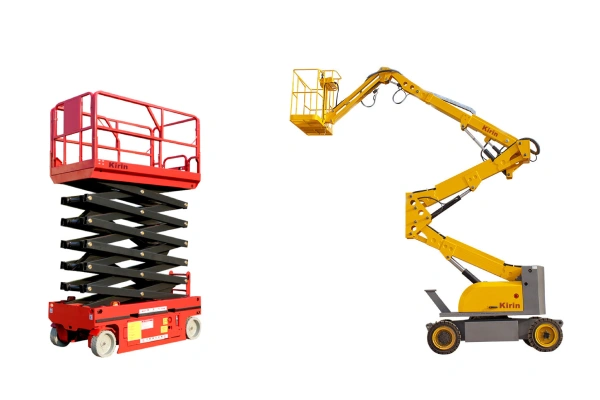
A scissor lift in warehouse settings provides vertical-only elevation, offering a large, stable platform. A boom lift (articulating or telescopic) offers both vertical and horizontal reach, allowing it to navigate around obstacles. Due to their smaller footprint and focus on vertical space, scissor lifts are generally better for high-density indoor warehouse aisles.