The efficiency of any high-altitude task depends on the reliability of the equipment. A boom lift is more than just a bucket on a stick; it is a complex integration of structural engineering, hydraulic power, and electronic safety systems. When any one of the parts of a boom lift fails, it can lead to costly downtime or, worse, a dangerous workplace accident. This guide serves as a technical deep dive into the anatomy of these machines.
What Is a Boom Lift?
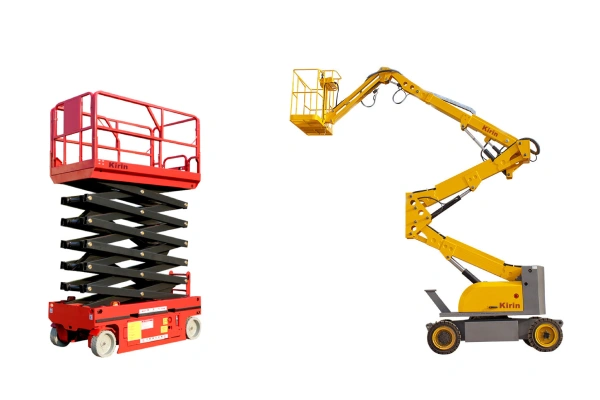
A boom lift is a type of aerial work platform (AWP) that provides both vertical and horizontal reach. Unlike a scissor lift, which only moves straight up and down, a boom lift uses a hydraulic arm to maneuver around obstacles.
There are two primary types:
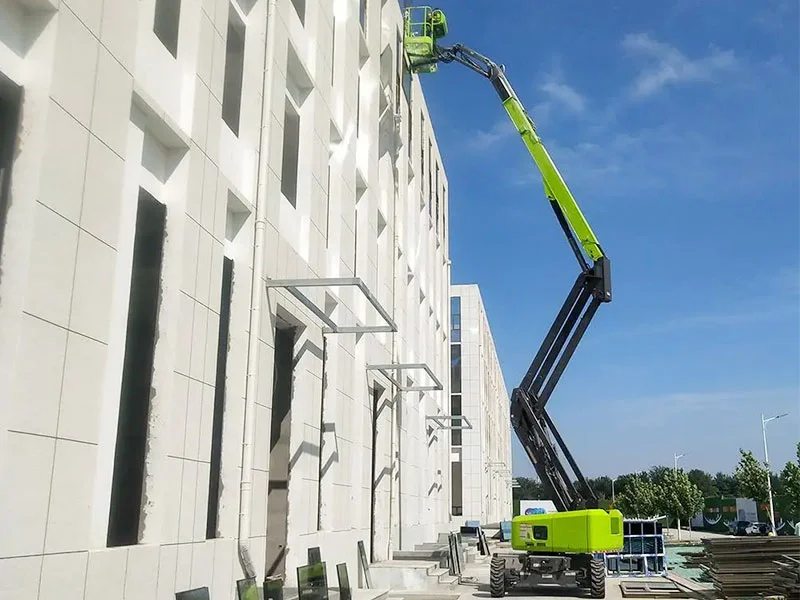
- Articulating Boom Lifts: Feature multiple sections that “knuckle,” allowing the platform to reach over and under obstacles.
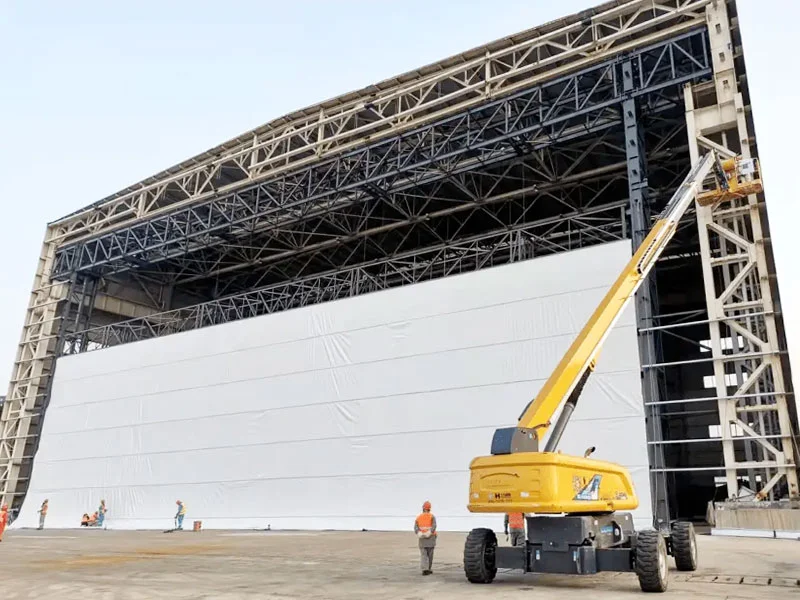
- Telescopic Boom Lifts: Feature a straight arm that extends outward, offering maximum reach and height.
Regardless of the type, the core parts of a boom lift remain largely the same, designed to balance weight, provide stability, and ensure the safety of the operator.
Main Structural Parts of a Boom Lift
The structural integrity of the machine is what keeps it upright while a worker is 100 feet in the air. The base components are designed to withstand massive amounts of torque and weight.
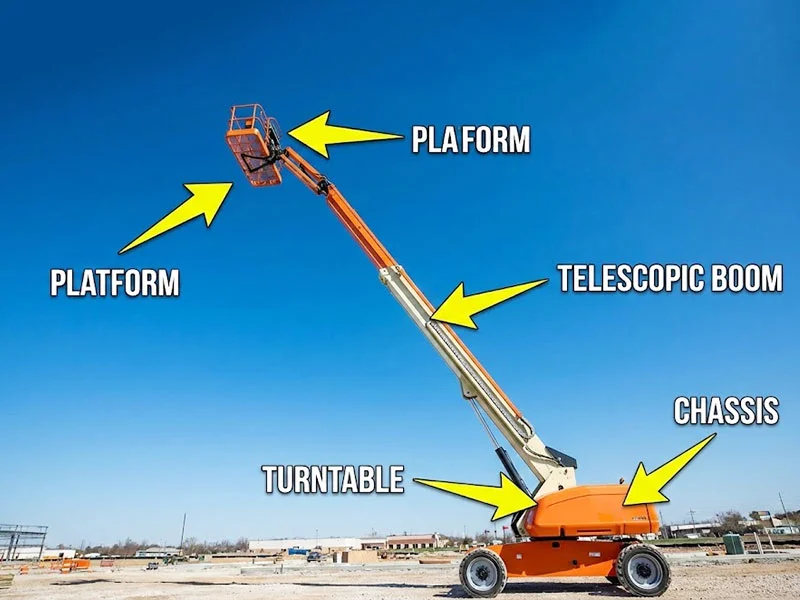
Base / Chassis
The chassis is the foundation of the entire machine. It houses the drive system, wheels, and the weight needed to counterbalance the extended boom. In many parts of a boom lift configurations, the chassis is heavy-duty steel to ensure the center of gravity remains low.
Turntable (Rotation Platform)
The turntable is the revolving structure sits atop the chassis. It allows the boom to rotate 360 degrees (either continuously or in a limited arc). This part houses the swing motor and the “slewing ring” or bearing that facilitates smooth rotation.
Outriggers / Stabilizers (if equipped)
On larger lifts or those designed for uneven terrain, outriggers are essential parts of a boom lift. These are retractable legs that extend from the chassis to the ground to widen the machine’s footprint, preventing it from tipping over when the boom is fully extended.
Boom System Components
The “boom” itself is the most recognizable of the parts of a boom lift. It is the mechanical arm that elevates the platform.
Primary Boom
This is the first section of the arm attached to the turntable. It is the strongest segment and bears the brunt of the lifting force.
Secondary Boom / Jib Arm
Many articulating lifts feature a secondary boom. Additionally, a “jib” is a smaller, final section of the boom located between the main arm and the platform. It provides an extra 4 to 6 feet of movement, allowing for precise positioning near a work surface.
Telescopic Sections
In telescopic models, these parts of a boom lift slide inside one another. They are extended and retracted using internal hydraulic cylinders and heavy-duty cable systems.
Boom Pivot Points and Pins
The joints where the boom sections connect are called pivot points. These are secured by high-strength steel pins and bushings. These parts of a boom lift require frequent lubrication to prevent friction and “play” in the arm.
Hydraulic System (The Heart of a Boom Lift)
Why do boom lifts rely on hydraulics? Because hydraulic fluid is virtually incompressible, allowing for the smooth, high-force movements required to lift thousands of pounds of steel and personnel.
Components include:
- Hydraulic Pump: Driven by the engine or electric motor, it pressurizes the oil to create movement.
- Hydraulic Cylinders: These act as the “muscles.” When fluid enters the cylinder, it pushes a piston that extends the boom or levels the platform.
- Hydraulic Hoses: These reinforced tubes transport high-pressure fluid between the parts of a boom lift.
- Hydraulic Oil Tank: Stores the fluid and allows it to cool.
- Control Valves: These act as the “brain,” directing the flow of fluid to specific cylinders based on the operator’s input.
Platform (Work Basket) and Operator Controls
The platform is where the work actually happens. It is designed to keep the operator safe while providing full control over the machine’s movements.
Work Platform / Basket
Usually made of steel or aluminum, the basket features a floor with a non-slip surface and high guardrails. Some specialized parts of a boom lift baskets include tool trays or power outlets for tools.
Platform Control Panel
This is the primary interface for the operator. It usually consists of joysticks for boom movement and drive functions, as well as a “deadman switch” (foot pedal) that must be depressed for the controls to work.
Ground Control Panel
Located on the turntable or chassis, this panel allows a person on the ground to operate the lift. This is a vital safety feature for lowering the platform if the operator becomes incapacitated.
Power System Components
The energy source defines the environment where the lift can be used.
Electric Boom Lift Parts
Electric lifts are typically used indoors. Key parts of a boom lift in this category include:
- Deep-cycle battery banks
- Electric drive motors
- On-board charging systems
Diesel Boom Lift Parts
Designed for outdoor construction, these rely on internal combustion.
- Diesel Engine: Provides high torque for rough terrain.
- Fuel Tank: Usually sized for a full day of operation.
- Exhaust System: Often equipped with spark arrestors for safety in industrial environments.
Safety Components of a Boom Lift
Safety is paramount when working at heights. The following parts of a boom lift are designed to prevent accidents before they happen:
- Emergency Stop Button: Located at both the platform and ground controls to kill all power instantly.
- Tilt Sensor: Sounds an alarm and may disable certain functions if the chassis is on an unsafe incline.
- Overload Sensor: Prevents the lift from moving if the weight in the basket exceeds the rated capacity.
- Limit Switches: These parts of a boom lift sense the position of the boom and prevent it from moving into unsafe configurations.
- Safety Harness Anchor Points: Mandatory points where operators clip their fall-protection lanyards.
- Guardrails: Structural barriers that prevent the operator from falling out of the basket.
- Alarm Systems: These include travel alarms (beeping when moving) and tilt alarms.
Tires and Drive System
The drive system determines how the lift navigates the job site.
- Non-marking tires: Made of light-colored rubber to avoid leaving scuffs on indoor floors.
- Rough terrain tires: Deep-treaded, foam-filled, or air-filled tires designed for mud and gravel.
- 2WD vs 4WD drive system: 2WD is common for flat surfaces, while 4WD is essential for unfinished construction sites.
- Axles and Braking System: Many modern parts of a boom lift include oscillating axles that keep all four wheels on the ground when driving over uneven bumps. The brakes are usually “spring-applied, hydraulic-released,” meaning they lock automatically if power is lost.
How the Parts of a Boom Lift Work Together
Understanding the parts of a boom lift individually is one thing, but seeing them as a system is key. When an operator moves a joystick, an electrical signal is sent to the control valve. The valve opens, allowing high-pressure oil from the hydraulic pump to flow through the hoses and into a cylinder. This cylinder then pushes against a pivot point on the boom, causing it to rise. All the while, limit switches and tilt sensors monitor the geometry to ensure the machine stays within its “stability envelope.”
Basic Maintenance Tips for Boom Lift Parts
To keep the parts of a boom lift in peak condition, follow these routine steps:
- Daily Walk-around: Check for hydraulic leaks or loose bolts.
- Lubrication: Grease the boom pins and turntable bearings every 50–100 hours of use.
- Battery Care: For electric models, ensure water levels in the batteries are maintained and terminals are clean.
- Filter Replacement: Change hydraulic and engine filters according to the manufacturer’s schedule.
When to Replace Boom Lift Components
Neglecting worn parts of a boom lift can lead to catastrophic failure. Look for these red flags:
- Signs of wear: Frayed cables or “scuffing” on the telescopic boom sections.
- Hydraulic failure indicators: If the boom “drifts” (slowly lowers on its own), the internal seals of the cylinder are likely failing.
- Structural cracks: Inspect welds on the chassis and boom for any hairline fractures.
- Electrical malfunction: Intermittent control response often points to corroded wiring or a failing joystick.
Frequently Asked Questions (FAQ)
What are the main parts of a boom lift?
The main parts of a boom lift include the chassis, turntable, boom sections (primary and jib), hydraulic system (pump and cylinders), and the work platform (basket).
How does a boom lift hydraulic system work?
The system uses a pump to pressurize hydraulic oil. This oil is directed through valves into cylinders. The pressure of the oil forces the cylinders to extend or retract, which moves the heavy boom sections.
What is the basket of a boom lift called?
It is officially called the work platform, but it is commonly referred to as the basket or the bucket.
How often should boom lift parts be inspected?
A “pre-start” inspection should be done daily. A more thorough “frequent inspection” is required every three months or 150 hours, and a mandatory annual inspection must be performed by a qualified mechanic.
Are articulating and telescopic boom lift parts different?
While the base, hydraulics, and platforms are similar, the boom sections differ. Articulating lifts have “knuckle joints” (multiple pivot points), while telescopic lifts use internal “extension cylinders” and cables to slide sections out linearly.
Conclusion
Navigating the world of aerial work platforms becomes much simpler once you understand the various parts of a boom lift. From the hydraulic “heart” to the steel “skeleton” of the chassis, every component plays a vital role in keeping operators safe at height.
By familiarizing yourself with these parts of a boom lift, you are better equipped to perform daily inspections, communicate with mechanics, and operate the machinery with confidence. Remember, a well-maintained boom lift is not just a tool—it’s a lifeline for those working in the clouds.