In the modern industrial landscape, efficiency and safety are the twin pillars of a successful operation. Whether you are managing a massive construction site, maintaining a sprawling warehouse, or overseeing a complex utility project, reaching high places safely is a constant requirement. This is where industrial boom lifts come into play.
As a staple in the heavy equipment industry, industrial boom lifts provide a unique combination of reach, stability, and flexibility that other aerial platforms simply cannot match. If you are considering adding this powerhouse to your fleet or renting one for your next project, understanding its advantages is crucial.
In this comprehensive guide, we will explore the seven top benefits of industrial boom lifts and why they remain the go-to solution for high-altitude industrial tasks.
What Is the Role of Boom Lifts in Industrial Applications?
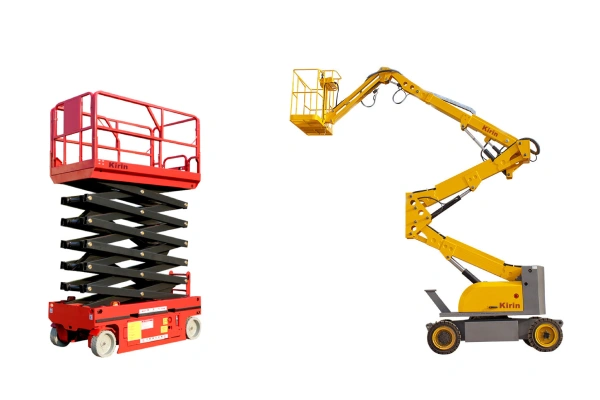
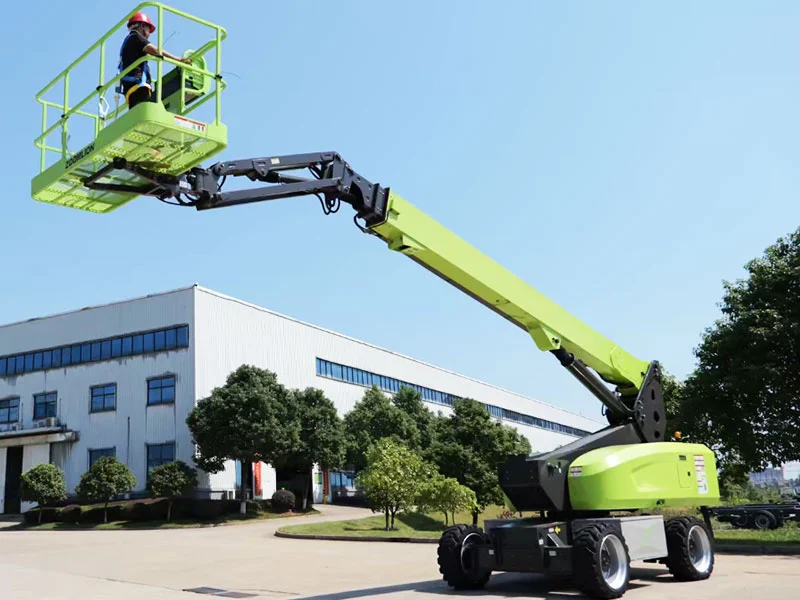
Before diving into the benefits, it is essential to define what industrial boom lifts actually do. A boom lift is a type of aerial work platform (AWP) that consists of a bucket or platform at the end of a hydraulic lifting system. Unlike scissor lifts, which only move vertically, industrial boom lifts can extend both vertically and horizontally.
In industrial settings, their role is multifaceted:
- Access: They provide access to areas that are obstructed by machinery, piping, or architectural features.
- Maintenance: They are used for HVAC repairs, electrical work, and structural inspections at heights that ladders cannot safely reach.
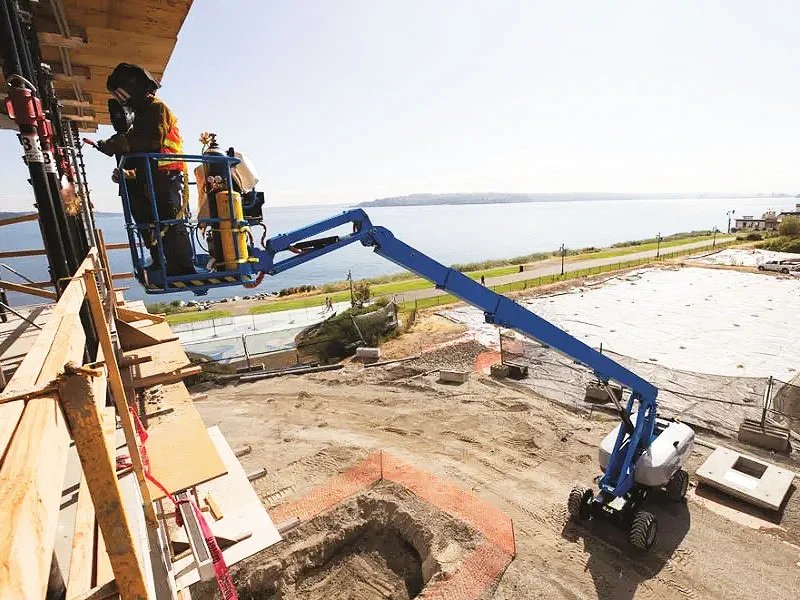
- Construction: They serve as steady platforms for welding, painting, and installing cladding on high-rise structures.
Essentially, industrial boom lifts act as the bridge between the ground and the most difficult-to-reach points of a facility or job site.
Exceptional Reach and Height Capabilities
The most obvious advantage of an industrial boom lift is its incredible reach. When you are dealing with skyscrapers, massive industrial hangars, or outdoor utility lines, a standard ladder or a scissor lift simply won’t cut it.
Vertical Height
Some of the most advanced industrial boom lifts can reach heights exceeding 180 feet. This allows workers to perform tasks on the upper floors of buildings or the tops of industrial chimneys with ease.
Horizontal Outreach
What truly sets industrial boom lifts apart is their horizontal reach. Telescopic booms can extend straight out, while articulating booms (also known as “knuckle lifts”) have multiple joints that allow the arm to “up and over” obstacles. If you need to reach a point 60 feet up and 40 feet across a crowded factory floor, boom lifts are the only tools for the job.
Enhanced On-Site Safety
In any industrial environment, the safety of the workforce is the highest priority. Falls from heights remain one of the leading causes of workplace injuries. Industrial boom lifts are specifically engineered to mitigate these risks.
- Secure Enclosures: The platforms on industrial boom lifts are equipped with sturdy guardrails and toe boards to prevent accidental slips.
- Harness Attachment Points: Operators are required to wear safety harnesses that clip directly into the lift, providing a secondary layer of protection.
- Stability Systems: Modern boom lifts feature tilt sensors, outriggers, and automatic leveling systems that ensure the machine remains stable even on uneven ground.
- Emergency Controls: Every unit comes equipped with emergency shut-off valves and manual descent controls, ensuring that workers can be brought down safely even in the event of a power failure.
By using an industrial boom lift instead of scaffolding or ladders, companies significantly reduce the likelihood of human error leading to a catastrophic fall.
Increased Maneuverability in Tight Spaces
Industrial sites are rarely wide-open spaces. They are often cluttered with equipment, inventory, and structural supports. One of the standout benefits of industrial boom lifts is their ability to navigate these “tight” environments.
Articulating Booms
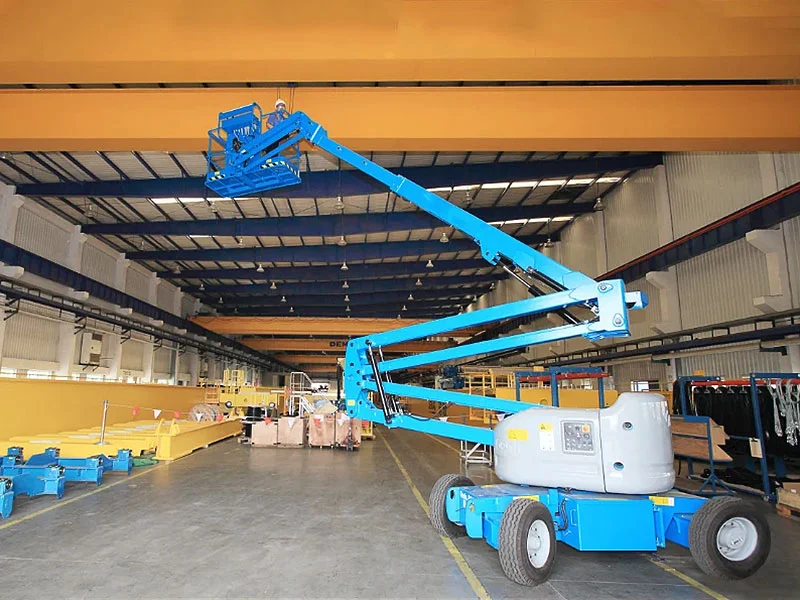
Articulating industrial boom lifts are designed with multiple sections that fold. This allows the operator to navigate the boom around pipes, trusses, and other obstructions. This “up-and-over” capability is vital in indoor industrial settings where the ceiling is a maze of infrastructure.
Compact Chassis
Many industrial boom lifts are built with a narrow chassis and a tight turning radius. This allows the base of the machine to move through standard double doors or narrow warehouse aisles without compromising on the height the platform can reach.
Improved Labor Efficiency and Productivity
Time is money in the industrial sector. The speed with which a task is completed directly impacts the bottom line. Industrial boom lifts streamline operations in several ways:
- Rapid Deployment: Unlike scaffolding, which can take days to erect and dismantle, an industrial boom lift can be driven into position and extended in a matter of minutes.
- On-Platform Controls: Operators can drive and reposition the entire unit while the platform is still elevated. This eliminates the need to descend, move the base, and ascend again, which is a massive time-saver during tasks like painting or installing long runs of electrical conduit.
- Reduced Physical Fatigue: Working from a stable, spacious platform is significantly less taxing than climbing ladders or balancing on narrow planks. When workers are less fatigued, they are more productive and less prone to making mistakes.
The integration of the industrial boom lift into your workflow ensures that your team spends more time working and less time setting up.
High Weight Capacity for Tools and Materials
A common misconception is that industrial boom lifts are only meant to carry a single person. In reality, these machines are designed to be heavy-duty workhorses.
Most industrial boom lifts offer substantial “unrestricted” weight capacities, often ranging from 500 to 1,000 pounds. This means a technician can bring:
- Heavy-duty power tools and welding equipment.
- Replacement parts like motors, valves, or light fixtures.
- Raw materials like steel beams or sheets of drywall.
Having everything you need on the platform at once reduces the “trips to the ground,” further enhancing the efficiency provided by boom lifts. Some specialized models even feature integrated air and water lines, allowing pneumatic tools or pressure washers to be powered directly from the base.
Versatility Across Different Terrains
Industrial work isn’t always done on a smooth concrete warehouse floor. Often, projects take place on muddy construction sites, gravel yards, or grassy slopes. Industrial boom lifts are built to handle these diverse conditions.
Rough Terrain Models
Many industrial boom lifts come equipped with four-wheel drive, oscillating axles, and high-traction tires. These “Rough Terrain” (RT) models can climb grades of up to 45% and navigate deep mud or loose soil without getting stuck.
Electric vs. Diesel
- Diesel/Dual Fuel: Ideal for outdoor industrial sites where power and durability are needed.
- Electric: Ideal for indoor use. These boom lifts feature non-marking tires and zero-emission operation, making them perfect for food processing plants, hospitals, or finished indoor spaces.
This versatility ensures that no matter where your project is located, there is a configuration of industrial boom lifts suited for the environment.
Cost-Effectiveness Over Time
While the upfront cost or rental rate of industrial boom lifts might seem higher than simpler alternatives, the long-term ROI is undeniable.
- Lower Labor Costs: Because jobs are finished faster, you spend less on hourly wages.
- Zero Assembly Costs: You save the thousands of dollars usually spent on the specialized labor required to build and certify scaffolding.
- Reduced Insurance Premiums: Using safer equipment like industrial boom lifts can lead to fewer workplace accidents, which helps keep workers’ compensation claims and insurance premiums low.
- Multi-Purpose Utility: A single unit of boom lifts can replace multiple ladders, scissor lifts, and scaffolding towers, reducing the total amount of equipment you need to manage.
What Projects Can You Complete With Industrial Boom Lifts?
The applications for industrial boom lifts are nearly limitless. Here are some of the most common projects where these machines shine:
- Warehouse Management: Organizing high-level racking, conducting inventory audits, and repairing overhead lighting.
- Bridge Inspection and Repair: Using the reach of industrial boom lifts to inspect the underside of overpasses or the tops of suspension cables.
- Petrochemical and Refinery Work: Navigating complex pipe racks to perform maintenance on valves and pressure sensors.
- Exterior Building Maintenance: Window cleaning, pressure washing, and structural painting of industrial complexes.
- Telecommunications: Installing and maintaining 5G towers and satellite dishes.
- Event Setup: Hanging large-scale lighting rigs and sound systems in stadiums or convention centers.
In every one of these scenarios, industrial boom lifts provide the safety and precision required to get the job done right.
Conclusion
Investing in industrial boom lifts is an investment in the future of your business. These machines offer unparalleled reach, specialized safety features, and the kind of maneuverability that turns “impossible” tasks into routine maintenance. By choosing the right model for your specific needs—whether it be a telescopic boom for height or an articulating boom for complex navigation—you empower your team to work faster, safer, and more effectively.
As the industrial world continues to grow upwards and become more complex, industrial boom lifts will remain an essential tool for any serious operation.
FAQs About Industrial Boom Lifts
What is the difference between a telescopic and articulating boom lift?
Telescopic industrial boom lifts extend straight out like a telescope, offering maximum reach and height. Articulating industrial boom lifts have joints (knuckles) that allow the arm to bend, making them better for reaching over obstacles in confined spaces.
Do I need a special license to operate industrial boom lifts?
While a standard driver’s license isn’t enough, operators are generally required to have OSHA-compliant aerial lift certification. This involves both classroom learning and a hands-on evaluation to ensure the safe operation of industrial boom lifts.
Can industrial boom lifts be used indoors?
Yes! Electric industrial boom lifts are specifically designed for indoor use. They feature quiet electric motors, zero emissions, and non-marking tires that won’t damage finished flooring.
How much weight can industrial boom lifts typically hold?
Standard industrial boom lifts usually have a capacity of 500 lbs, but high-capacity models can hold up to 1,000 lbs or more. Always check the specific load chart for your machine before operation.
Are industrial boom lifts stable on slopes?
Most industrial boom lifts are designed with tilt alarms that sound if the base is on too steep an angle. However, rough terrain models with outriggers can be leveled on moderately sloped ground to provide a safe working platform.