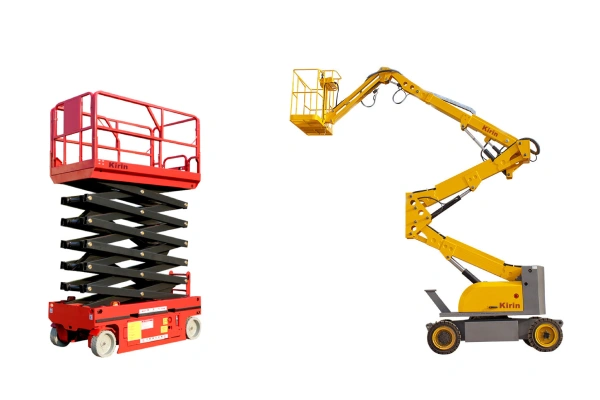
A scissor lift is an invaluable piece of equipment on construction sites, in warehouses, and for maintenance work, providing a safe and mobile elevated work platform (MEWP) for workers. However, due to the inherent risks associated with working at heights and operating heavy machinery, knowing how to operate a scissor lift correctly and safely is non-negotiable. This comprehensive guide will walk you through everything, from mandatory safety checks to the step-by-step operational procedures.
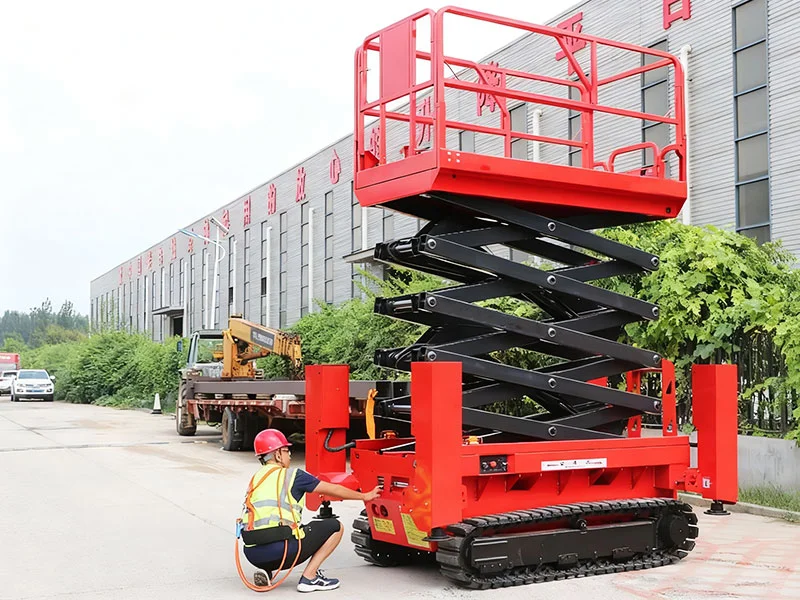
Scissor lifts, named for the crisscrossing metal supports that resemble a pair of scissors, are designed to vertically raise a platform to various working heights. Unlike boom lifts, they only move straight up and down, offering a larger, more stable workspace directly above the chassis. Operating this machinery requires not just physical skill but a thorough understanding of safety protocols and machine mechanics. This guide is structured to ensure that anyone learning how to operate a scissor lift has all the necessary information to do so competently and in compliance with safety regulations. We will cover prerequisites, inspections, site preparation, detailed operational steps, and proper shutdown procedures, ensuring you master how to operate a scissor lift safely.
Safety First: Prerequisites and PPE
Before you even approach the machine, safety must be the priority. Operating a scissor lift is a high-risk activity that mandates strict adherence to safety rules and proper preparation.
Prerequisites for Operation:
- Training and Certification: The most critical requirement is proper training. OSHA (Occupational Safety and Health Administration) and similar regulatory bodies globally require that all scissor lift operators be trained, certified, and authorized by their employer. This training covers safe use, hazard recognition, and specific operational requirements of the particular lift model. Never attempt to operate the equipment without this formal qualification. Understanding how to operate a scissor lift is a skill that must be certified.
- Medical Fitness: Operators must be physically and mentally fit to handle the controls and respond to emergency situations.
- Familiarity with the Manual: Every model of scissor lift is slightly different, whether it’s a hydraulic, electric, or battery-operated scissor lift. You must read and understand the specific manufacturer’s operational manual for the machine you are about to use.
Personal Protective Equipment (PPE):
The required PPE can vary based on the work environment, but the following are standard when learning how to operate a scissor lift:
- Hard Hat: Essential for protecting against falling objects or striking one’s head on overhead structures.
- Safety Glasses/Goggles: To protect against dust, debris, or fluid splashes.
- High-Visibility Vest: Crucial for ensuring you are seen by other workers and equipment operators, especially in busy environments.
- Work Boots: Steel-toed, slip-resistant boots provide stability and protection from falling tools.
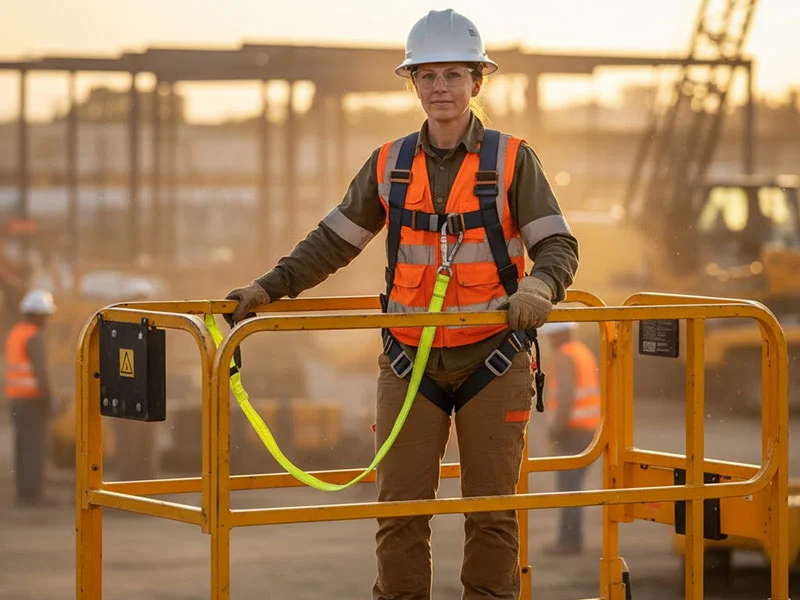
- Fall Arrest System (Harness and Lanyard): While some jurisdictions and manufacturers consider the guardrails adequate fall protection for a scissor lift, many sites require a full harness and lanyard attached to an approved anchor point on the platform, especially if the guardrail height is below standard or if working conditions dictate it (e.g., near elevated edges). Always comply with the strictest site-specific and jurisdictional fall protection rules.
Pre-Operation Inspection (The Walkaround)
A thorough pre-operation inspection, or walkaround, is a mandatory step before every shift. This is where you identify any potential defects that could lead to equipment failure or an accident. Never skip or rush this step.
Key Inspection Points:
- Tires and Wheels: Check for excessive wear, damage, proper inflation (if pneumatic), or loose lug nuts. Ensure the brakes are functioning correctly.
- Fluid Levels: Verify that hydraulic fluid, engine oil (if applicable), coolant, and fuel (if applicable) are at appropriate levels. For a battery-operated scissor lift, check the battery charge and terminal condition.
- Structural Integrity: Inspect the entire machine for damage, cracks, or excessive corrosion. Pay close attention to the platform, guardrails, scissor arms, and welds. The guardrails must be secure and free of damage.
- Decals and Manuals: Ensure all instructional, safety, and warning decals are legible and in place. The machine’s operational manual should be stored in its designated, protected location.
- Controls and Emergency Systems: Test all controls in a safe, open area, including the steering, drive, lift/lower functions, and tilt sensor activation. Crucially, test the emergency stop button (both on the platform and at the ground controls) and the emergency lowering system.
- Platform Functionality: Check that the platform extension (if applicable) locks securely into place.
- Hoses and Wires: Look for leaks, chafing, or pinching in hydraulic hoses and electrical wiring.
If any fault is found that compromises safety, the lift must be immediately tagged out of service and reported for maintenance.
Site and Ground Preparation
The stability of the ground is paramount when operating a scissor lift. The machine must always be positioned on a firm, level, and stable surface.
Site Preparation Checklist:
- Assess Ground Conditions: The maximum allowable slope for operating a scissor lift is usually indicated by a tilt sensor, which will prevent lifting if the slope is exceeded. Avoid soft soil, loose gravel, holes, trenches, or any uneven terrain.
- Clear the Path: The intended path of travel and the work area must be clear of debris, obstacles, and tripping hazards.
- Overhead Hazards: Survey the area for overhead power lines, pipes, ceiling fixtures, and any structural elements that the raised platform or the workers could come into contact with. Maintain the minimum safe clearance distance as specified by regulations (especially from power lines).
- Traffic and Pedestrian Control: Use cones, barriers, and signage to cordon off the work area. Never operate the lift in an area without controlling or diverting vehicular and pedestrian traffic.
- Wind and Weather: Never operate a scissor lift in winds that exceed the manufacturer’s specified limit, which is typically around 28 mph (45 kph). Be aware of rain, snow, or ice, which can affect ground conditions and platform footing.
Step-by-Step Guide: How to Operate a Scissor Lift
This section details the practical steps for how to operate a scissor lift step by step, assuming all pre-operation checks have been completed and the site is safe. This foundational knowledge is key to ensuring a safe work day.
A. Entering the Platform: Use the designated access point; never climb on guardrails.
- Always use the designated entry point, which is typically a sliding bar, a swing gate, or a chain barrier.
- Ensure the gate/bar/chain is immediately and properly secured after entry.
- Never enter or exit the platform while it is raised. The platform must be fully lowered to the ground level.
- Maintain a three-point contact (two hands and one foot, or one hand and two feet) when using the steps or ladder to board the platform.
B. Engaging the Controls:
- Start the Lift: Turn the key to the ‘On’ or ‘Start’ position, usually located at the ground control panel first, and then switch the operation mode to ‘Platform Controls’ if you intend to drive and lift from the platform. For a battery-operated scissor lift, ensure the battery disconnect is engaged.
- Familiarize Yourself: Locate the main controls: the drive/steer joystick, the lift/lower switch, the horn, and the emergency stop buttons.
- Ground vs. Platform: Know how to switch control between the ground panel (used for rescue or maintenance) and the platform panel (used for standard operation). Never have someone on the platform if the ground controls are being used for driving or lifting, unless in an emergency.
C. Maneuvering to the Work Area (Driving):
- Drive Slowly: Scissor lifts are designed for movement at low speeds. Driving should always be slow, deliberate, and smooth, especially when maneuvering in tight spaces.
- Check Clearance: Before moving, check all around the lift for workers, obstacles, and ground conditions. Use the horn to warn others of your movement.
- Steering and Direction: The steering controls usually govern the direction of the non-drive wheels (typically the rear wheels). The direction of travel relative to the joystick (forward/reverse) usually corresponds to the direction the platform is facing. Always verify the direction before moving. If you are learning how to operate a scissor lift, a quick, brief test of the drive in a safe area is good practice.
- Never Drive While Elevated: A fundamental rule of how to operate a scissor lift is that you must not drive the lift with the platform raised, except on smooth, level concrete and only to inch the lift into final position. Even then, the movement should be minimal and extremely slow. Most lifts have drive lockout features that prevent driving above a certain height.
D. Lifting and Positioning:
- Verify Stability: Ensure the lift is perfectly level and on stable ground before activating the lift function. The tilt sensor must be green (indicating level).
- Smooth Operation: Use the lift/lower control switch smoothly to raise the platform to the desired height. Avoid jerky movements.
- Look Up and Out: As the platform rises, continuously watch out for overhead obstructions and workers in the vicinity. Never allow the platform or its occupants to touch or collide with any structure.
- Stop Well Below Work Height: Bring the platform to a stop slightly below the work area and then use small, precise movements to position it perfectly. Do not try to position the platform by driving while elevated.
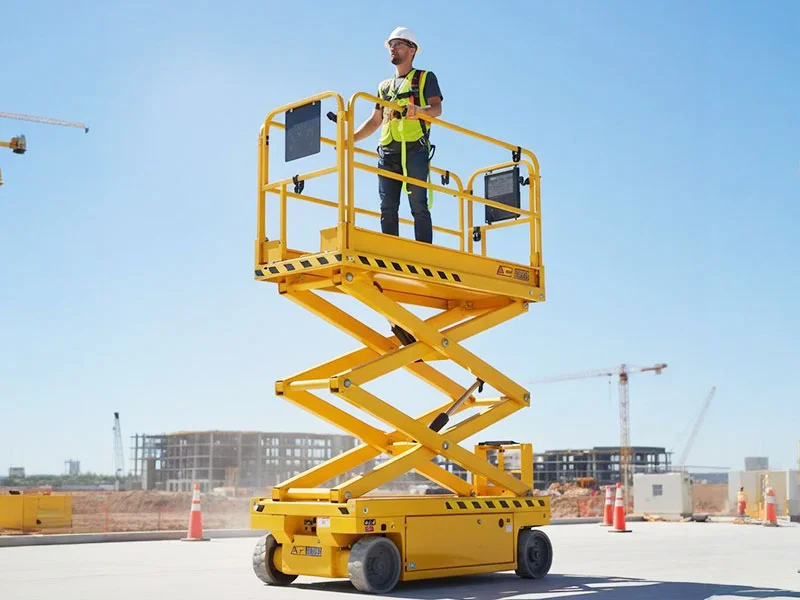
E. Working Safely on the Platform: Keep all body parts inside the rails; do not lean out.
- Maintain Focus: Once at height, the focus should be on the task, but awareness of the environment must be constant.
- Load Limits: Never exceed the platform’s rated weight capacity. This includes the weight of personnel, tools, and materials. Overloading can lead to tipping or structural failure.
- Never Climb Rails: The guardrails are a passive restraint system. You must never stand on them, sit on them, or use them as a ladder. Keep all parts of your body, tools, and materials inside the confines of the guardrails.
- No Extension Devices: Do not use ladders, scaffolds, boxes, or any other unauthorized items on the platform to gain extra height. This severely compromises stability and fall protection.
- Securing Tools: Tools and materials should be secured to prevent them from falling onto people or equipment below.
- Weather and Wind: If weather conditions deteriorate (e.g., strong winds, heavy rain), the work must stop immediately, and the platform must be lowered.
Post-Operation and Shutdown Procedures
The work isn’t complete until the machine is safely secured and proper logging is done.
A. Lowering the Platform:
- Clear the Path: Ensure the area directly below the platform is clear of personnel and obstacles before lowering.
- Smooth Descent: Use the control switch to lower the platform slowly and smoothly to the ground level. Avoid rapid descent.
- Emergency Lowering: Be familiar with the ground-level emergency lowering system, which is a manual or auxiliary power system to bring the platform down if the main controls fail.
B. Returning and Securing the Lift:
- Drive to Storage: Once the platform is fully lowered, drive the scissor lift to its designated storage location.
- Park on Level Ground: Ensure the lift is parked on a firm, level surface.
- Power Off: Turn the key switch to the ‘Off’ position and remove the key. This prevents unauthorized use.
- Engage Brakes: Ensure the parking brake is set (which is usually automatic when the power is off).
- Battery Charge: If it is an electric or battery-operated scissor lift, connect it to the approved charging station immediately to be ready for the next shift. Disconnect any safety harnesses.
C. Reporting: Log any issues found during or after operation.
- Logbook Entry: Complete the machine logbook. Note the operational hours, the work performed, and most importantly, any issues, malfunctions, or damage observed during the operation. Even a minor issue, like a sticky control or a small hydraulic leak, must be reported.
- Tag Out: If a significant safety-related issue was found, the lift must be immediately tagged with an “Out of Service” tag, and the key secured, ensuring no one attempts to operate a scissor lift that is not fit for use.
Conclusion and Key Takeaways
Knowing how to operate a scissor lift is a crucial skill that combines technical knowledge with a deep commitment to safety. From the mandatory pre-operation inspection to the careful steps for lifting and positioning, every action must be deliberate and measured. Always remember the three pillars of safe operation: proper training, rigorous inspection, and adherence to safe working practices. Mastering how to operate a scissor lift ensures not only productivity but, more importantly, the safety of everyone on the job site. This comprehensive guide has provided a solid foundation for those looking to safely operate a scissor lift.
FAQs
What is the maximum wind speed for operating a scissor lift?
The maximum safe operating wind speed is determined by the manufacturer and is often posted on a decal on the lift itself. It typically ranges from 12.5 m/s (28 mph) to 45 km/h (28 mph). If wind speeds meet or exceed this limit, or if the wind is gusting heavily, you must immediately lower the platform and cease all operations. Safety always dictates when you can operate scissor lift equipment outdoors.
Can I drive a scissor lift while the platform is up?
Generally, no. Most manufacturers prohibit driving a standard slab scissor lift (indoor, often battery-operated scissor lift models) with the platform elevated. Rough-terrain models may allow for very slow, limited-distance movement at partial elevation, but this should only be done if explicitly permitted by the manufacturer’s manual and only after confirming the ground is perfectly level and stable. Driving at height significantly increases the risk of a tip-over.
What is the main difference between a hydraulic and a battery-operated scissor lift?
The main difference is the power source and application. Hydraulic/combustion engine lifts are typically used outdoors on rough terrain due to their power and all-wheel drive capabilities. A battery-operated scissor lift (electric) is quieter, produces no emissions, and is primarily used indoors on finished, smooth floors, making it ideal for warehouse and retail environments.
What should I do if the lift won’t raise due to a slope?
If the tilt sensor is preventing the lift from raising, it means the lift is on too steep of an incline. You must lower the platform and reposition the entire machine to a level surface before attempting to lift again. Never attempt to override the tilt sensor. The safety system is there to prevent a catastrophic tip-over accident.
How do I know the weight capacity of my scissor lift?
The weight capacity (load limit) is clearly posted on a data plate or decal on the lift’s platform and chassis, as well as in the manufacturer’s manual. This limit must never be exceeded and includes the weight of all personnel, tools, and materials on the platform.