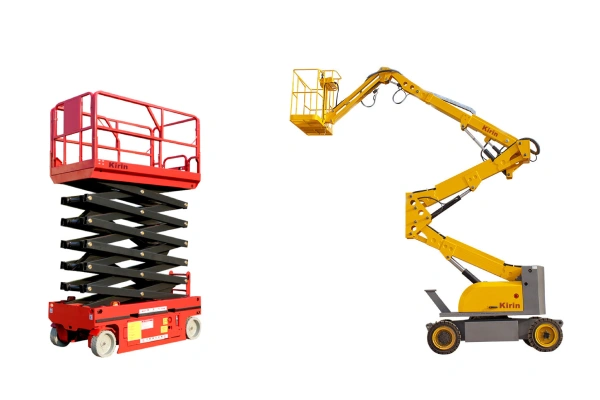
A manual scissor lift is one of the most practical and cost-effective lifting solutions for warehouses, workshops, maintenance projects, and indoor construction work. Whether you are using a compact manual scissor lift platform for stock picking or a larger hydraulic unit for maintenance work, understanding proper operation and safety procedures is essential.
Incorrect use of a manual scissor lift can lead to equipment damage, workplace accidents, or serious injuries. That is why operators should always follow the manufacturer’s instructions, complete routine inspections, and understand the correct lifting procedures before use.
In this guide, you will learn everything you need to know about operating a manual scissor lift, including setup procedures, safety checks, maintenance basics, and the most common mistakes to avoid.
What Is a Manual Scissor Lift?
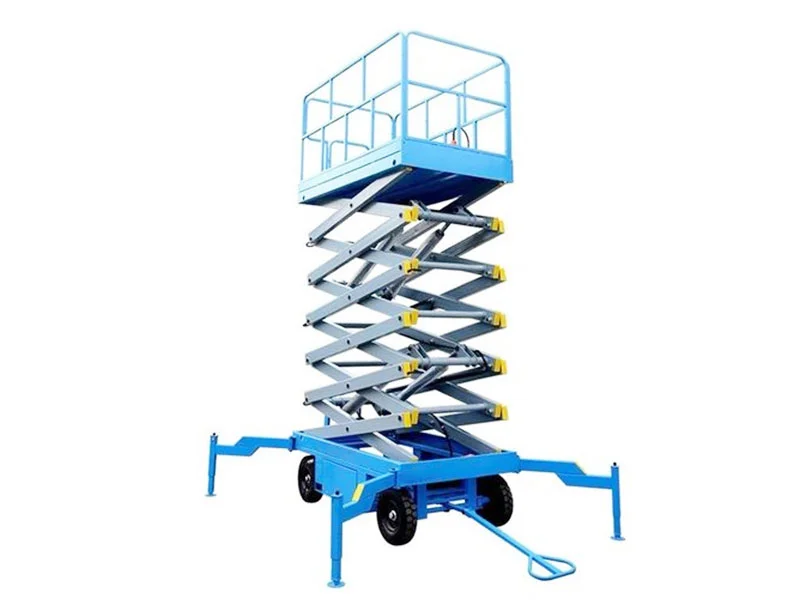
A manual scissor lift is a non-motorized, compact lifting mechanism engineered to raise personnel, tools, or products vertically. Unlike heavy-duty self-propelled models, these lifts rely on manual physical effort for transport (pushing or pulling) and use manual mechanical energy—such as a foot-operated hydraulic pump or a hand crank—to raise and lower the working platform. It serves as a highly stable, ergonomic alternative to traditional ladders and scaffolding.
Difference between manual, electric, and hydraulic scissor lifts
Understanding the distinct differences between these common lifting platforms helps facilities match the correct equipment to their operational demands:
- Manual Scissor Lifts: These platforms rely on human power for mobility and vertical movement. A worker pushes the unit into position and operates a manual hydraulic pump (usually via a foot pedal) to raise the platform. They are incredibly reliable, require minimal maintenance, have no electrical components to fail, and are perfectly suited for lower-frequency tasks or tight indoor environments.
- Electric Scissor Lifts: These units utilize battery-powered electric motors for both driving and platform elevation. They are ideal for high-frequency operations, long distances, and applications where manual pushing is inefficient. However, they require consistent charging, carry a higher upfront cost, and involve more complex diagnostic maintenance.
- Hydraulic Scissor Lifts: While “hydraulic” refers to the fluid-driven lifting mechanism found in both manual and electric models, industrial-grade hydraulic scissor lifts often refer to heavy-duty, stationary, or fluid-powered dock lifts. These are tied into factory power lines or external hydraulic power units to lift massive material loads, rather than being moved around a facility by hand.
Common Types of Manual Scissor Lifts
Not every manual scissor lift is built identical. Depending on your industry and space layout, you will encounter a few distinct configurations:
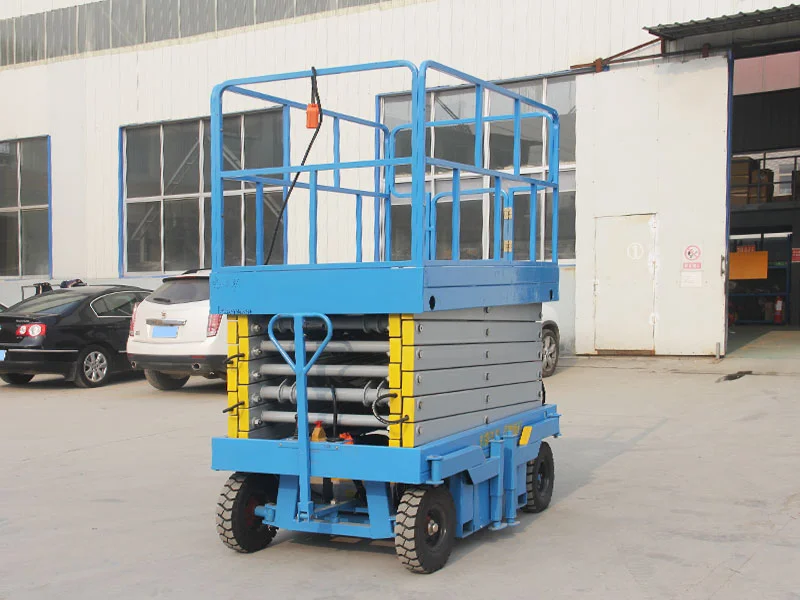
- Push-around manual scissor lifts: Designed specifically for personnel and tools, these units feature a fully enclosed cage. Workers push the mobile unit to the designated area, step inside, and manually pump the platform up to reach overhead valves, light fixtures, or storage racks.
- Hydraulic manual scissor lifts: Often configured as a manual scissor table lift, these are primary material-handling tools. They lack a high personnel cage and instead feature a flat, open steel platform. Operators use them to raise heavy parts or pallets to comfortable assembly line heights, reducing worker back strain.
- Compact indoor lifting platforms: Engineered with an ultra-slim footprint, these lightweight variations fit through standard single doorways and inside commercial elevators. They are a staple for schools, hospitals, offices, and retail stockrooms where space is exceptionally limited.
Main Components of a Manual Scissor Lift
To safely operate a manual scissor lift, you must familiarize yourself with its anatomical framework. Every component plays a structural or safety role:
| Component | Primary Function |
| Platform | The flat, heavy-duty steel deck designed to hold the operator, tools, or materials. It is often coated with an anti-slip texture. |
| Guardrails | The metal protective framework enclosing a personnel manual scissor lift platform to prevent accidental falls. It includes mid-rails and toe-boards. |
| Scissor Mechanism | The interlocking, pantograph-style steel legs that extend vertically and fold down horizontally to change the platform’s elevation. |
| Hydraulic System | Comprises the fluid reservoir, manual pump (foot pedal or hand lever), and the main lifting cylinder that drives the scissor legs apart. |
| Wheels and Brakes | Heavy-duty polyurethane or rubber casters that allow smooth rolling. Rear casters feature dedicated locking mechanisms to immobilize the lift. |
| Emergency Lowering Controls | A safety valve or release lever located at the base, allowing the platform to safely descend if the main mechanism sticks or the operator is incapacitated. |
Key Safety Checks Before Operating a Manual Scissor Lift
Every single time you prepare to use a manual scissor lift, you must conduct a thorough pre-operation inspection. Treat this as a non-negotiable workplace habit. Skipping an inspection can mean missing a hidden mechanical fault that could manifest when the platform is fully extended under a load.
Inspect the Lift Structure
Walk around the entire unit and closely inspect the structural weld points along the scissor arms and the base frame. Look for any visible cracks, bends, or structural metal fatigue. Ensure that the personnel guardrails are firmly bolted, secure, and free of cracks, and verify that the entry gate closes completely and locks automatically.
Examine Hydraulic and Mechanical Systems
Check the main hydraulic cylinder and the surrounding lines for any oily residue that indicates a hydraulic fluid leak. A drop in fluid pressure can cause the platform to drift downward during use. Verify that the mechanical pins, retaining rings, and rollers inside the scissor track are clean, lubricated, and securely seated.
Check Wheels and Brakes
Examine the casters for embedded debris, flat spots, or cracks in the tread material. Test the wheel brakes by applying them firmly and attempting to push the unit. The wheels must lock tightly and should not skid or turn under manual pressure.
Review Load Capacity
Locate the manufacturer’s data plate permanently affixed to the manual scissor lift. Read the maximum weight rating. This limit includes the combined weight of the worker, all tools, parts, and safety gear.
Critical Safety Rule: Never guess the weight of your materials. If the lift is rated for 500 lbs, and a worker weighs 200 lbs, the materials must never exceed 300 lbs. Overloading can compromise structural integrity and cause a catastrophic failure of the hydraulic seal.
Confirm Safe Work Area Conditions
Your inspection isn’t finished until you survey the environment where you intend to work. Check the floor or ground surface; it must be solid, level, and free of oil slicks, water, loose gravel, or debris. Look upward to identify overhead obstructions, low-hanging pipes, light fixtures, or exposed electrical wiring that could pose a crushing or shock hazard when lifting.
How to Set Up a Manual Scissor Lift Properly
Proper setup creates a stable baseline for all high-altitude tasks. Even a premium manual scissor lift platform can become hazardous if it is improperly positioned or anchored.
Position the Lift Correctly
Push the lift directly underneath or immediately adjacent to the work area. Because this is a manual unit, you must map out your path of movement beforehand to clear any obstacles. Never position a manual scissor lift on an incline or ramp; it is strictly designed for flat, level surfaces.
Lock Wheels and Stabilizers
Once the unit is precisely positioned, engage the mechanical wheel brakes on all tracking casters. If your specific model is equipped with outriggers or screw-down stabilizer jacks, extend them fully according to the scissor lift operation manual. Adjust them until they make firm, solid contact with the floor, distributing the unit’s center of gravity across a wider base.
Organize Tools and Materials
Place your tools and materials evenly across the center of the platform. Avoid stacking heavy equipment against one side or resting it directly against the guardrails, as uneven weight distribution can destabilize the platform when raised. Ensure no cords or loose straps hang over the edges, where they could snag on the scissor mechanism during extension.
Step-by-Step Guide: How to Operate a Manual Scissor Lift
Operating a manual scissor lift requires careful attention and deliberate, steady movements. Follow this systematic process to ensure a safe transition from ground level to elevated working heights.
Step 1 — Read the Operator’s Manual
Before touching the controls, locate and review the official scissor lift manual provided by the manual scissor lift manufacturer. Every manufacturer has distinct guidelines regarding pump stroke speeds, release valve sensitivity, and weight distribution. Ensure the manual is kept in its designated weatherproof storage compartment on the lift for easy reference.
Step 2 — Perform a Pre-Operation Test
Run the lift through a complete functional cycle without any cargo or personnel on board. Pump the lift up a few feet and check for smooth upward progression. Lower it using the release valve to confirm it descends smoothly without jerking, sticking, or making unusual mechanical grinding noises.
Step 3 — Raise the Platform Slowly
Step onto the platform (or place your materials if using a manual scissor table lift). If it is a personnel lift, ensure the gate is closed and latched behind you. Utilize the manual hydraulic foot pump or hand lever to begin raising the platform. Use steady, rhythmic strokes. Rapid, frantic pumping can cause unnecessary swaying and put uneven pressure on the hydraulic seals.
Step 4 — Work Safely at Height
Keep both feet firmly planted on the platform floor. Never climb on the guardrails or use boxes, ladders, or step stools on top of the platform to gain extra reach. Keep your body centered within the perimeter of the guardrails, and avoid pushing heavily against external walls or structures, which can create a lateral tipping force.
Step 5 — Lower the Lift Carefully
When your task is complete, locate the hydraulic release control—typically a hand lever or a small turn-knob located near the base or on the handle. Turn or press the release valve slowly and incrementally. The platform must descend gradually.
Operational Warning: Never open the release valve completely in a single sudden motion. A rapid drop can startle the operator, shift the load, or cause mechanical jarring that damages the lift frame.
Step 6 — Store the Lift Correctly After Use
Once the platform is fully lowered to its nested position, disengage the stabilizer jacks and unlock the wheel brakes. Guide the unit back to its designated indoor storage bay. Lock the brakes to prevent unauthorized movement, clean any dirt or grease off the frame, and secure the keys or locking pins if applicable.
Common Mistakes to Avoid When Using a Manual Scissor Lift
By identifying and avoiding the most frequent mistakes made in the field, you can dramatically reduce the likelihood of equipment down-time or workplace accidents.
Overloading the Platform
It can be tempting to save time by piling all your materials onto the platform for a single trip. However, exceeding the marked load limit risks blowing out a hydraulic valve seal, which could cause a sudden, uncontrolled descent of the platform. Always make multiple trips if your material weight approaches the maximum capacity limit.
Using the Lift on Uneven Ground
Operating a manual scissor lift on even a slight slope changes its center of gravity. As the platform rises, any tilt at the base is magnified significantly at the top, putting the lift at extreme risk of tipping over sideways. Always use a bubble level or built-in slope sensor to confirm the ground is completely flat.
Moving the Lift While Elevated
If you need to move the lift even a few inches to reach a different spot, you must lower the platform first. Attempting how to manually move a scissor lift while a worker or heavy materials are raised high in the air is incredibly dangerous. The small bumps, cracks, or expansion joints in a concrete floor can cause the entire unit to rock violently and tip over.
Ignoring Routine Maintenance
Because manual lifts lack complex electrical diagnostic systems, some facilities mistakenly assume they don’t require scheduled maintenance. Neglecting to grease pivot joints or failing to inspect hydraulic fluid purity will cause parts to wear prematurely, making the lift harder to pump and prone to mechanical sticking.
Bypassing Safety Features
Never modify, tie down, or attempt to bypass safety features like the emergency lowering valve, guardrail interlocks, or mechanical limit switches. These systems are carefully engineered by the manual scissor lift manufacturer to preserve worker safety in unexpected situations.
Manual Scissor Lift Maintenance Basics
A consistent preventive maintenance plan extends the operational lifespan of your equipment and guarantees that it remains safe for daily operation. It also keeps manual pumping smooth and physically manageable for your workers.
Daily Maintenance Tasks
Before and after every shift, wipe down the scissor lift frame to clear away abrasive dust, metal shavings, or moisture. Ensure the wheel casters rotate smoothly and clear out any tangled shrink-wrap, string, or floor debris that might be caught in the wheel bearings.
Monthly Maintenance Checklists
- Check Hydraulic Fluid: Inspect the reservoir level when the platform is fully lowered. If the fluid appears cloudy, dark, or contains visible particles, it should be drained and replaced.
- Lubricate Pivot Points: Apply a high-quality grease or spray lubricant to all scissor arm pins, pivot bushings, and track rollers to reduce friction and minimize mechanical wear.
- Inspect Fasteners: Check all structural bolts and locking pins along the scissor arms to ensure they remain tightened to the correct manufacturer torque specification.
Annual Inspections
At least once a year, the lift should undergo a rigorous inspection conducted by a certified technician. This evaluation includes pressure testing the hydraulic pump cylinder, looking for micro-fractures in structural welds, and issuing an updated safety compliance certification sticker for the unit.
Applications of Manual Scissor Lifts
Due to their compact size, quiet non-polluting operation, and exceptional mobility, manual scissor lifts are utilized across a wide variety of commercial and industrial settings:
- Warehousing & Logistics: Ideal for retrieving inventory from mid-level storage racks, sorting packages, and organizing stockrooms safely without blocking narrow aisles.
- Manufacturing & Assembly Lines: Used extensively as a manual scissor table lift to reposition heavy sub-assemblies or steel components to a precise working height, eliminating repetitive bending and lifting for line workers.
- Retail & Commercial Facilities: Perfect for changing overhead light fixtures, hanging promotional signage, or cleaning high windows in retail spaces, grocery stores, and corporate offices.
- Industrial Maintenance: Provides maintenance crews with a stable, mobile platform to service elevated valves, HVAC ductwork, electrical junction boxes, and overhead conveyors.
How to Choose the Right Manual Scissor Lift
Selecting the ideal model requires matching the equipment’s specifications directly to your facility’s unique operational needs. Consider these key factors before purchasing:
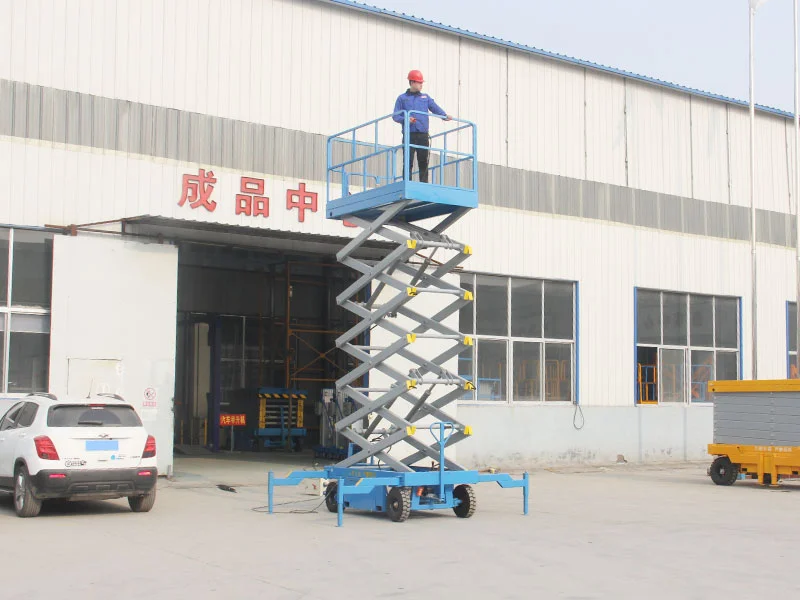
- Maximum Lifting Height: Measure the highest point you need to reach. Ensure you calculate the “working height,” which typically extends about 6 feet above the actual physical platform deck height.
- Weight Capacity Requirements: Assess the heaviest items your team lifts regularly. If you are lifting heavy metal dies or raw materials, select a robust material table lift with a reinforced hydraulic cylinder.
- Footprint and Maneuverability: If you operate in tight, narrow aisles or need to move the equipment between different floors via passenger elevators, check the folded dimensions and overall weight of the lift.
- Manufacturing Quality: Partner with an experienced manual scissor lift platform factory that adheres to international quality control standards. Sourcing your equipment from an established manual scissor lift platform china manufacturer ensures access to heavy-duty steel construction, precise engineering, and reliable long-term parts availability.
Frequently Asked Questions About Manual Scissor Lifts
How high can a manual scissor lift go?
Most manual scissor lifts offer platform heights ranging from 6 to 20 feet, depending on the model and design.
Some specialized models may provide greater reach.
Is training required to operate a manual scissor lift?
Yes. Even though a manual scissor lift is simpler than powered aerial equipment, operators should still receive safety training and understand the manufacturer’s instructions.
Can a manual scissor lift be used outdoors?
Some models are suitable for outdoor use on stable, level surfaces.
However, operators should avoid using a manual scissor lift platform in high winds, rain, or uneven terrain.
What is the average weight capacity?
Most manual scissor lift platforms support between 300 and 1,000 pounds.
Always verify the rated load capacity before use.
How often should a manual scissor lift be inspected?
A manual scissor lift should be visually inspected before every use.
Comprehensive maintenance inspections should follow the schedule provided in the scissor lift operation manual.
Conclusion
A manual scissor lift is an efficient and practical solution for many indoor lifting applications. However, safe operation requires proper setup, routine inspections, correct lifting procedures, and ongoing maintenance.
By following the safety guidelines and operating steps outlined in this guide, operators can reduce workplace risks while maximizing productivity and equipment lifespan.
Whether you are purchasing your first manual scissor lift platform or improving your team’s operational safety, choosing high-quality equipment and following manufacturer recommendations are essential for long-term success.
If you are looking for a reliable manual scissor lift manufacturer or need professional assistance selecting the right lifting solution, feel free to contact us.
- Email: info@klingtec.com
- WhatsApp: +86 188 6686 3188