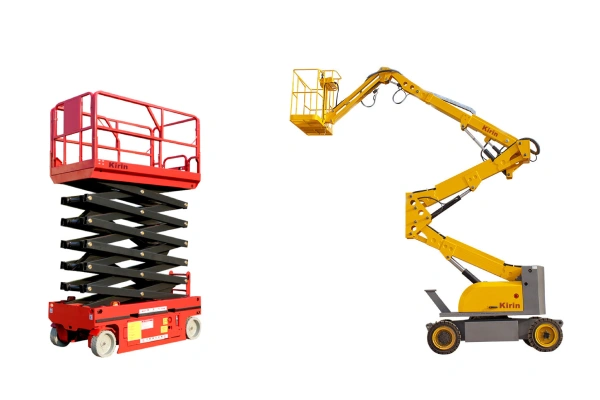
Boom lifts are indispensable tools for reaching high and difficult-to-access areas, but their operation comes with significant risks. Ensuring the safety of your team is not just a regulatory requirement; it’s a moral and business imperative. This comprehensive guide will walk you through essential boom lift safety tips, from pre-operation checks to emergency preparedness, helping you create a robust safety culture and prevent accidents.
Crucial Boom Lift Safety Tips to Prevent Accidents
The foundation of a safe work environment is a proactive approach to boom lift safety. By understanding the common hazards, such as falls, electrocution, tip-overs, and equipment failure, you can implement strategies to mitigate these risks. This guide breaks down best practices into easy-to-follow sections to help your team stay safe.
Pre-Operation Essentials: Setting the Stage for Safety
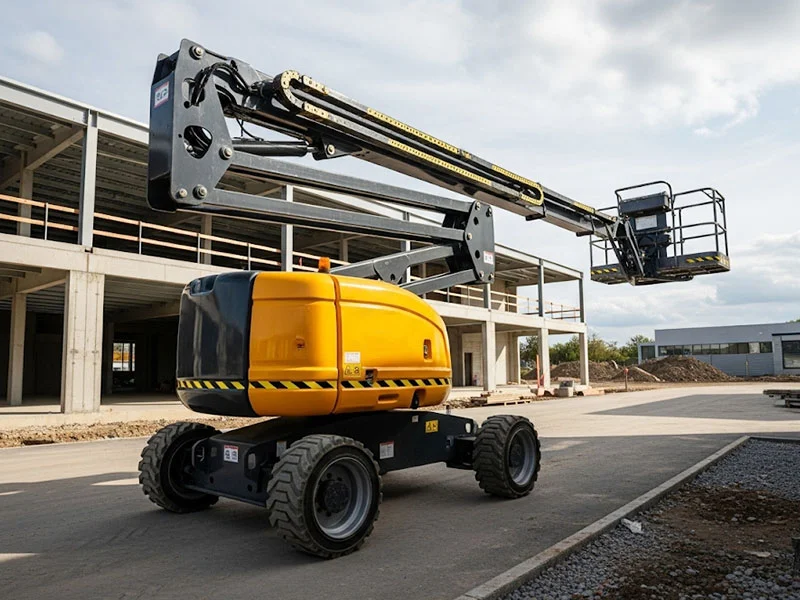
Safety begins long before the boom lift is even turned on. A thorough pre-operation routine is the first line of defense against potential hazards.
A. Site Assessment & Planning:
Before moving the lift, assess the work area. Look for:
- Level Ground: Ensure the surface is firm, stable, and level. Slopes can compromise the stability of the lift, increasing the risk of a tip-over.
- Overhead Obstructions: Check for power lines, tree branches, pipes, and other overhead hazards that could be struck by the boom or basket. Maintain a safe distance from power lines, as specified by OSHA regulations.
- Ground Hazards: Identify and avoid holes, trenches, soft soil, or debris that could destabilize the lift.
- Clearance: Plan a clear path for the boom lift to move and extend without obstruction.
B. Equipment Inspection (Pre-Use Checks):
A pre-use inspection is non-negotiable. The operator must perform a visual and functional check of the equipment before each shift. This includes:
- Controls: Test all operating controls to ensure they are working correctly, including the emergency stop button.
- Hydraulics: Check for any leaks in hydraulic hoses, cylinders, and connections.
- Tires & Brakes: Inspect tires for proper inflation and damage. Ensure brakes are functional.
- Structural Integrity: Look for cracks, dents, or signs of damage on the boom, platform, and chassis.
- Safety Devices: Confirm that all safety decals, warning signs, and guardrails are in place and in good condition.
C. Personal Protective Equipment (PPE):
Every person working in or around the boom lift must wear appropriate PPE. This includes:
- Fall Protection: A full-body harness and a lanyard or a self-retracting lifeline are mandatory for anyone in the basket. The lanyard must be connected to the designated anchor point.
- Hard Hat: Protects against falling objects.
- Safety Glasses: Shields eyes from debris.
- High-Visibility Vest: Essential for being seen by other workers and equipment operators.
- Steel-Toed Boots: Protects feet from falling objects.
Operation Best Practices: In the Basket
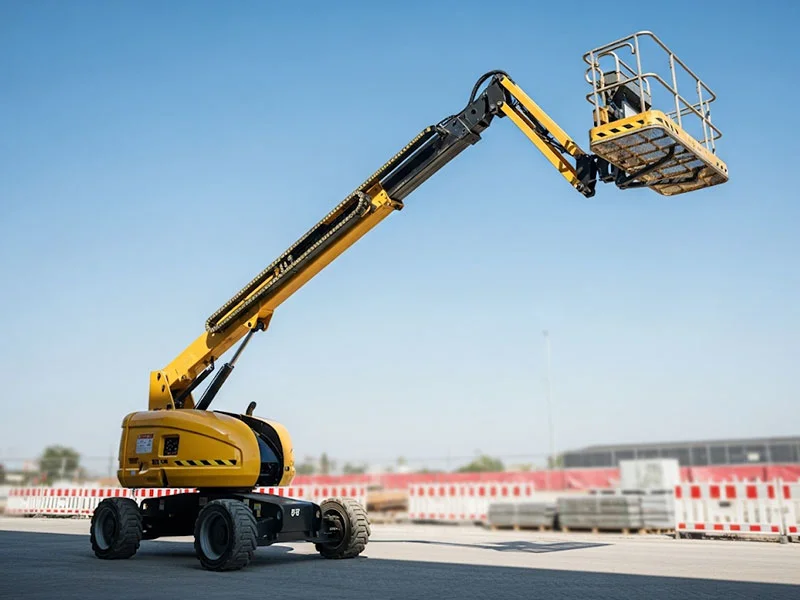
Once the pre-operation checks are complete, it’s time to focus on safe operation. Adherence to these practices is crucial for maintaining a safe environment at height.
A. Safe Operation & Controls:
- One Operator, One Machine: Only a qualified and authorized operator should control the boom lift.
- Never Exceed Capacity: Adhere strictly to the manufacturer’s specified weight limits for the basket, including the weight of personnel, tools, and materials.
- Smooth Movements: Operate the controls smoothly and deliberately. Sudden, jerky movements can cause the basket to sway, potentially leading to a fall or tip-over.
- Stay Within the Guardrails: Never climb or stand on the guardrails of the platform. Always keep feet firmly planted on the floor of the basket.
B. Working at Height:
- Maintain a Safe Distance: Do not lean out or over the guardrails to reach a work area. If you can’t reach, reposition the boom lift.
- Tether Your Tools: Securely tether all tools and materials to prevent them from falling and injuring people below.
- Clear Communication: Maintain clear communication with ground personnel, especially when maneuvering the lift in crowded areas.
C. Weather & Environmental Considerations:
- Wind: Do not operate a boom lift in high winds. Always check the manufacturer’s specifications for maximum wind speeds.
- Storms: Cease operations immediately if there is lightning or heavy rain.
- Temperature: Be aware of how extreme temperatures can affect the performance of the equipment and the well-being of the operators.
Post-Operation Procedures: Winding Down Safely

Properly securing the equipment after use is as important as the pre-operation checks.
A. Securing the Equipment:
- Lower the Basket: Bring the basket down to its fully stowed position.
- Turn Off & Remove Keys: Turn off the engine or power source and remove the keys to prevent unauthorized use.
- Chock Wheels: If on a slope, use wheel chocks to secure the equipment.
- Park Safely: Park the boom lift on a level, designated surface, away from pedestrian traffic and other equipment.
B. Reporting & Documentation:
- Report Any Issues: Immediately report any damage, malfunctions, or signs of wear and tear to a supervisor.
- Logbook: Ensure all inspections, maintenance, and repairs are documented in the equipment’s logbook.
Emergency Preparedness: When Things Go Wrong
Having a clear emergency plan is a critical component of boom lift safety. Everyone on the team should know what to do in case of an incident.
A. Emergency Lowering Procedures:
- Know the Controls: Operators and ground personnel should be trained on the location and use of the ground-level emergency lowering controls.
- Practice Drills: Conduct regular drills to ensure everyone is familiar with the procedure.
B. Rescue Plan:
- Have a Plan: Develop a specific plan for rescuing a worker from a boom lift basket in an emergency. This plan should not involve a second boom lift.
- Communicate the Plan: All personnel should be aware of the rescue plan and the equipment required.
C. First Aid & Incident Response:
- Trained Personnel: Ensure there are certified first responders on site.
- First Aid Kit: A well-stocked first aid kit should be readily available.
- Reporting: All incidents, no matter how minor, should be reported and investigated to prevent future occurrences.
Training & Certification: The Foundation of Boom Lift Safety
No safety program can be effective without proper training.
A. Importance of Certified Training:
OSHA requires that all boom lift operators be properly trained and certified. This training covers:
- Regulations: Understanding federal and state safety regulations.
- Equipment Operation: Hands-on training on the specific model of boom lift being used.
- Hazard Identification: Learning to recognize and mitigate potential dangers.
B. Regular Refreshers:
Knowledge fades over time. Regular refresher courses ensure that operators stay up-to-date on best practices and new regulations.
Conclusion
By implementing these comprehensive boom lift safety tips, you are not only complying with regulations but also fostering a culture of safety that protects your most valuable asset: your people. A commitment to pre-operation checks, best practices during use, and a solid emergency plan ensures that your team can complete their work efficiently and, most importantly, safely.
FAQs
Q: Who is qualified to operate a boom lift?
A: Only individuals who have received certified training, passed a practical evaluation, and are authorized by their employer are qualified to operate a boom lift.
Q: How often should a boom lift be inspected?
A: A pre-operation inspection must be performed before each use. Additionally, a more thorough inspection should be conducted at regular intervals (e.g., quarterly or annually) by a qualified technician, as recommended by the manufacturer.
Q: Can more than one person be in the basket?
A: Yes, as long as the combined weight of the individuals, tools, and materials does not exceed the manufacturer’s specified weight capacity for the basket.
Q: Is a harness always required in a boom lift?
A: Yes. An operator in a boom lift must always wear a full-body harness with a lanyard attached to the designated anchor point, as this is a critical component of boom lift safety.