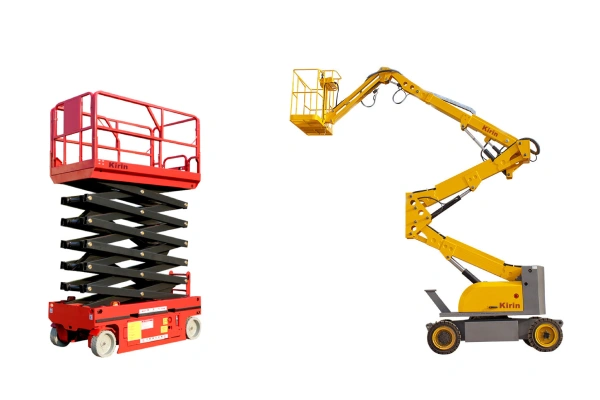
Choosing a piece of heavy machinery is a significant investment for any business. Whether you are managing a sprawling warehouse, a construction site, or a facility maintenance team, having the right aerial work platform is the difference between a job well done and a costly safety hazard. Among the various options available, the electric scissor lift platform has emerged as the gold standard for versatility, efficiency, and environmental responsibility.
In this comprehensive guide, we will walk you through everything you need to know before you buy, ensuring you select an electric scissor lift platform that meets your specific height, weight, and operational requirements.
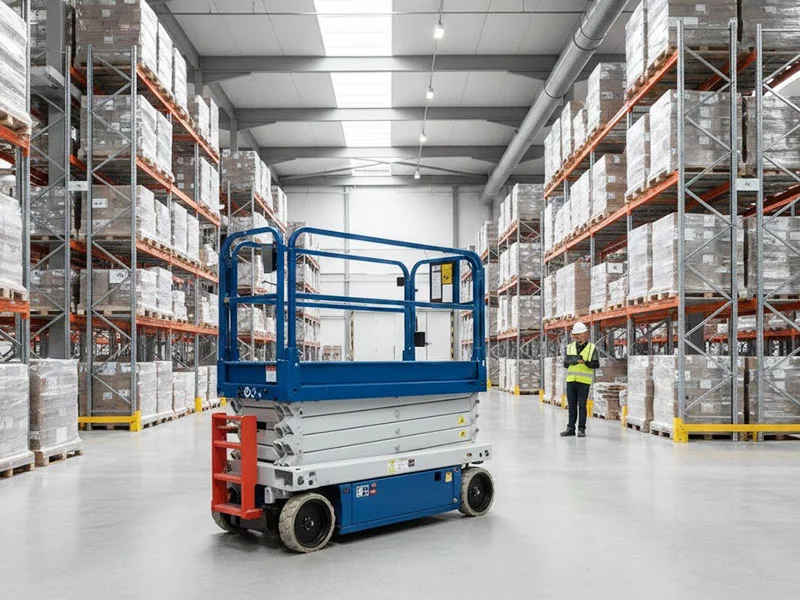
The demand for efficient vertical access has never been higher. As urban spaces become more congested and indoor environmental regulations stricter, the electric scissor lift platform has become an indispensable tool. Unlike traditional ladders or scaffolding, an electric scissor lift platform provides a stable, motorized base that can lift multiple workers, tools, and materials safely to significant heights.
However, the market is filled with various models, from a small electric scissor lift platform for tight retail aisles to a heavy-duty electric scissor aerial lift platform designed for high-ceiling industrial installations. Understanding the nuances of these machines—from battery life to floor loading limits—is essential to making a smart purchase. This guide serves as your roadmap to navigating the world of electric aerial lifts.
Why Choose Electric Over Diesel?
When shopping for a lift, you will inevitably face the choice between electric and diesel power. While diesel engines offer raw power for outdoor, rough-terrain applications, the electric scissor lift platform is winning the race in 2026 for several compelling reasons:
- Zero Emissions: An electric scissor lift platform produces no exhaust fumes. This makes it the only viable choice for indoor environments like food processing plants, hospitals, and warehouses where air quality is a priority.
- Whisper-Quiet Operation: Noise pollution is a major concern on modern jobsites. Electric motors are significantly quieter than internal combustion engines, allowing for work during business hours or in residential areas without causing a disturbance.
- Lower Maintenance Costs: Without an engine, there are no oil changes, air filters, or complex fuel systems to maintain. The primary maintenance for an electric scissor lift platform is simply caring for the batteries and basic lubrication of the scissor stack.
- Non-Marking Tires: Most electric models come standard with non-marking tires, protecting your facility’s polished concrete or tiled floors from unsightly scuffs.
5 Critical Factors to Evaluate Before Buying
Before you sign a purchase agreement with an electric scissor lift platform factory, you must evaluate these five technical specifications.
1. Working Height vs. Platform Height
One of the most common mistakes is confusing these two terms.
- Platform Height: This is the distance from the ground to the floor of the platform when fully extended.
- Working Height: This is the platform height plus approximately 6 feet (2 meters), representing the reach of a person standing on the platform.
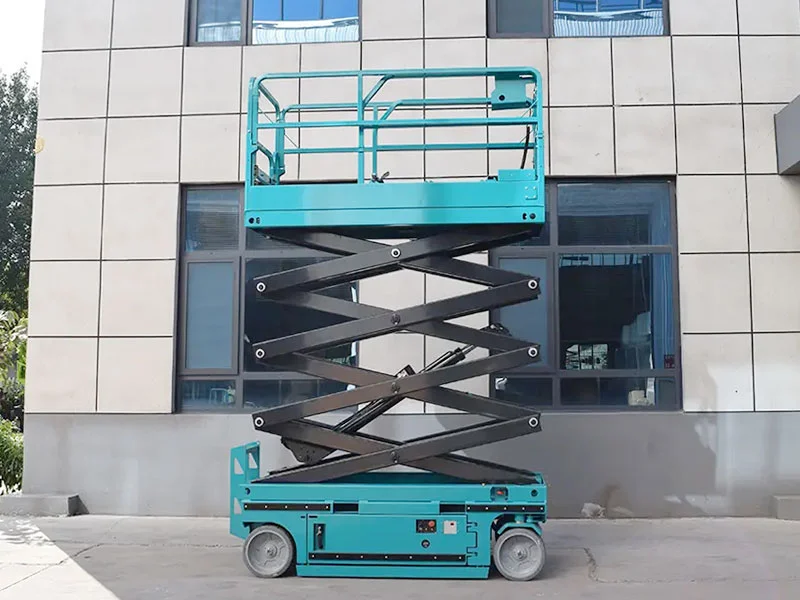
If your ceiling is 25 feet high, you don’t need a 25-foot platform; an electric scissor lift platform with a 19-foot platform height will suffice.
2. Lift Capacity (Weight Rating)
Every electric scissor lift platform has a maximum weight limit. This includes the weight of the operators, their tools, and any materials (like drywall or HVAC ducting) being carried.
- Standard Capacity: Usually ranges from 500 lbs to 1,200 lbs.
- Restricted Capacity: Some lifts can reach higher if the weight is kept lower. Always check the load chart provided by the electric scissor lift platform factory.
3. Platform Size and Extensions
A small electric scissor lift platform might be great for maneuvering, but will it fit two workers and their tools? Look for models with “slide-out” deck extensions. These allow you to increase the platform length by 3 to 4 feet once you are at height, giving you a larger “outreach” over obstacles.
4. Dimensions and Maneuverability
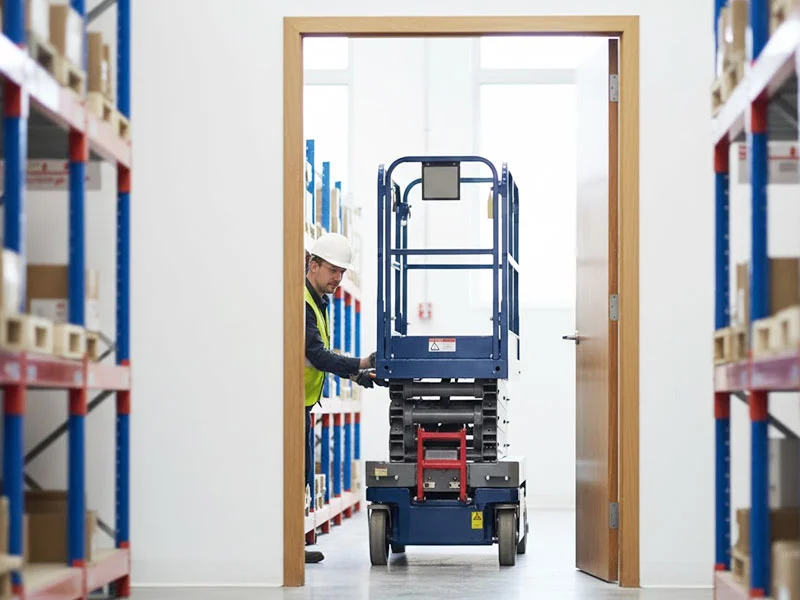
If you need to move your lift through standard doorways or down narrow warehouse aisles, the width of the machine is paramount. “Narrow” models are typically 30–32 inches wide, while “wide” models offer more stability and larger platforms but require more space to navigate.
5. Battery Life and Charging Infrastructure
The “runtime” of an electric scissor lift platform is determined by its battery amp-hour rating. In 2026, many high-end models now feature Lithium-ion batteries which charge faster and last longer than traditional deep-cycle lead-acid batteries. Ensure your facility has the appropriate 110V or 220V charging stations to support the machine overnight.
Assessing Your Work Environment
Your environment dictates the type of electric scissor aerial lift platform you should buy.
Indoor vs. Outdoor Use
Many people assume all electric lifts are for indoors. While true that they excel inside, many modern electric scissor lift platform models are “dual-rated.” However, outdoor use often comes with “wind speed” restrictions. If the wind exceeds 28 mph, an extended lift can become a sail, leading to a tip-over.
Floor Loading Limits
The weight of an electric scissor lift platform is concentrated on four small tires. Before purchasing, verify the “floor loading” capacity of your building. A heavy lift can crack tiles or damage delicate mezzanine flooring. If you have sensitive floors, look for a small electric scissor lift platform designed for lightweight applications.
Terrain
Electric lifts are generally designed for “slab” surfaces—flat, level concrete. If you need to use an electric scissor lift platform on gravel or slight inclines, you must look for a model with a “pothole protection” system and higher gradeability (the ability to climb slopes).
Essential Safety Features to Look For
Safety is non-negotiable when working at height. When browsing an electric scissor lift platform for sale, ensure it includes:
- Pothole Protection: Metal flaps that deploy when the lift is raised, preventing the machine from tipping if a wheel rolls into a dip.
- Tilt Sensors and Alarms: An audible alarm that sounds (and often cuts lift functions) if the machine is on an unsafe incline.
- Emergency Lowering System: A manual pull-cable or electronic override that allows the platform to be lowered if the main power fails.
- Overload Sensors: These prevent the lift from rising if the weight on the platform exceeds the rated capacity.
- Lanyard Anchor Points: Dedicated spots to clip in safety harnesses, ensuring the operator remains within the guardrails.
New vs. Used: Which is Right for You?
Deciding between a brand-new model from an electric scissor lift platform china manufacturer or a used local unit depends on your budget and usage frequency.
The Case for New
Buying a new electric scissor lift platform gives you the latest safety technology, a full manufacturer’s warranty, and the longest possible lifespan. If your business uses the lift daily, the reliability of a new machine pays for itself in reduced downtime. Furthermore, purchasing directly from an electric scissor lift platform factory allows for customization, such as specialized tool trays or unique platform colors.
The Case for Used
If you only need a lift for occasional maintenance tasks, a used electric aerial platform scissor lift can save you 30% to 50% on the purchase price. However, you must meticulously check the battery health and service records. Replacing a full set of batteries on an older electric scissor lift platform can cost thousands of dollars, potentially erasing your initial savings.
Conclusion
Choosing the right electric scissor lift platform is about balancing your vertical reach needs with the physical constraints of your workspace. By focusing on critical factors like lift capacity, battery technology, and safety features, you can ensure that your investment improves productivity while keeping your team safe.
Whether you are looking for a small electric scissor lift platform for a boutique retail space or a robust electric scissor aerial lift platform for industrial construction, there is a model out there designed for your specific challenges. Take the time to measure your doorways, calculate your max loads, and consult with a reputable electric scissor lift platform factory to find your perfect match.
FAQs
How long does it take to charge an electric scissor lift platform?
Standard lead-acid batteries typically take 8 to 12 hours for a full charge, usually done overnight. Newer Lithium-ion models can reach a full charge in as little as 3 to 4 hours.
Can I use an electric scissor lift platform on a slope?
Most electric lifts are designed for level surfaces. They typically have a “tilt alarm” that triggers at 1.5 to 3 degrees of slope. Always check the specific gradeability rating of your machine.
How often does an electric scissor lift platform need to be inspected?
To remain compliant with OSHA and ANSI standards, lifts should undergo a “pre-start” inspection daily before use and a thorough “annual inspection” by a qualified technician every 12 months.
Is it better to buy an electric scissor lift platform from China?
Many high-quality electric scissor lift platform china manufacturers offer competitive pricing and advanced features. Just ensure they have a local service partner or easily accessible replacement parts in your region.