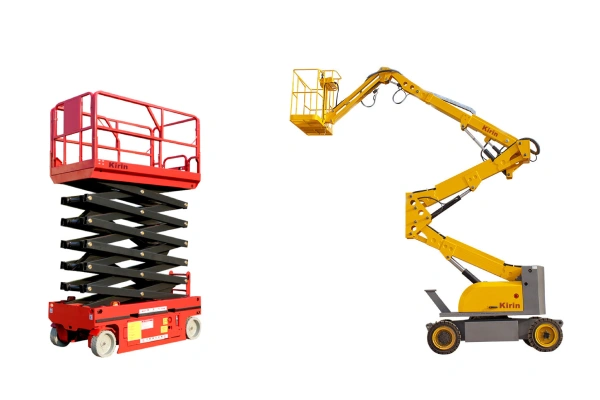
When you have a project that requires reaching significant heights—whether it’s painting a warehouse exterior, installing signage, or performing tree maintenance—a scissor lift is often the first tool that comes to mind. However, while these machines are incredibly efficient on warehouse floors, outdoor projects present a unique set of challenges. One of the most common questions contractors and DIYers ask is: can you use a scissor lift on grass?
The answer isn’t a simple yes or no. While it is technically possible in very specific circumstances, using a standard scissor lift on turf involves significant risks to the operator, the machine, and the landscape. In this comprehensive guide, we will explore the mechanics of weight distribution, the dangers of soft soil, and the best equipment alternatives to ensure your job is completed safely and efficiently.
How Scissor Lifts Are Designed to Operate
To understand why people ask can you use a scissor lift on grass, we first have to look at how these machines are engineered. Scissor lifts are upright man-lifts designed to move vertically. Their primary purpose is to provide a stable work platform for personnel and tools.
Overview of Scissor Lift Structure and Weight Distribution
Scissor lifts are incredibly heavy. Even a small “slab” lift (designed for indoor use) can weigh between 2,500 and 5,000 lbs. Larger models can exceed 15,000 lbs. Unlike a car, which distributes weight across a flexible suspension system, a scissor lift is a rigid structure. The center of gravity is relatively high, especially when the platform is extended.
Importance of Stable, Level Surfaces
Stability is the most critical factor in aerial lift operation. Most scissor lifts are equipped with “pothole guards”—metal plates that sit very close to the ground to prevent the lift from tipping if a wheel drops into a small hole. On a flat, hard surface, these work perfectly. On grass, these guards can actually dig into the turf, becoming a hindrance rather than a safety feature.
Why Most Models are Built for Hard, Flat Ground
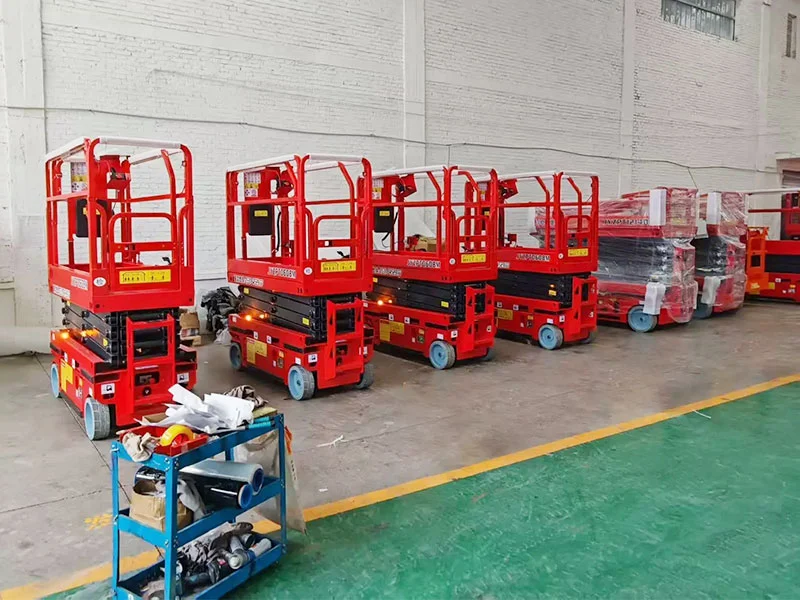
Standard electric scissor lifts are often called “slab lifts” because they are designed specifically for concrete or asphalt slabs. They typically feature:
- Solid Rubber Tires: Non-marking tires that offer zero shock absorption and minimal grip on loose surfaces.
- Low Ground Clearance: Designed to maximize stability on flat floors, but easily snagged on uneven outdoor terrain.
- Small Footprints: High pressure per square inch (PSI) focused on four small points.
Can You Use a Scissor Lift on Grass?
The short answer: It is possible, but highly risky and generally discouraged for standard models.
If you are asking can you use a scissor lift on grass, you are likely looking at a project that isn’t on a paved surface. You might be able to operate on grass if the ground is exceptionally dry, compacted, and perfectly level. However, even then, a standard indoor scissor lift is not the right tool for the job.
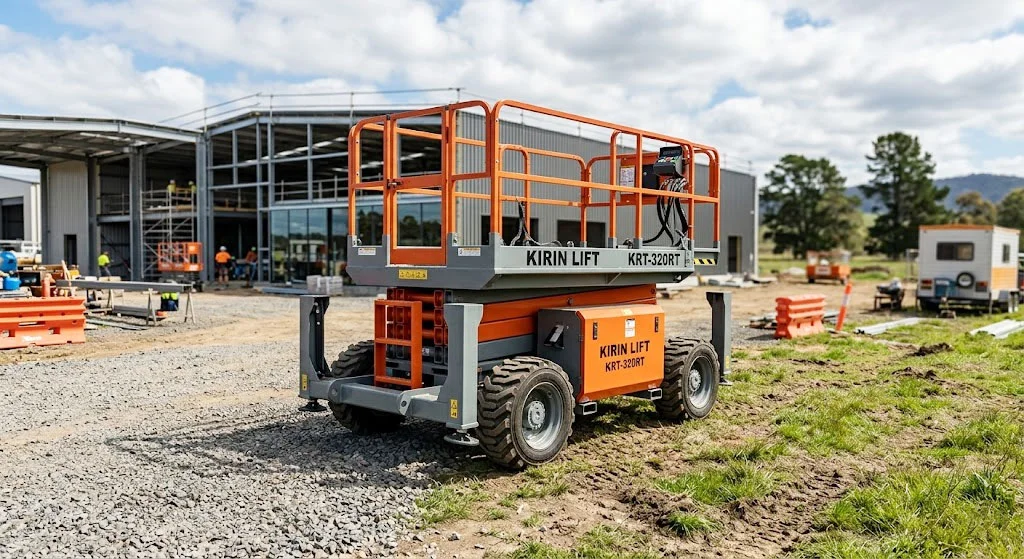
Most rental companies and safety inspectors will tell you that can you use a scissor lift on grass depends entirely on the type of scissor lift. A standard electric slab lift should almost never be used on grass. A “Rough Terrain” (RT) scissor lift, however, is designed with the engine power, tire tread, and outriggers necessary to handle some turf conditions.
Risks of Using a Scissor Lift on Grass
Using the wrong equipment on soft surfaces can lead to catastrophic failure. Here are the primary risks involved when you attempt to put a scissor lift on grass.
Uneven Ground and Stability Issues
Grass is rarely as level as it looks. A slight 2 or 3-degree slope might be unnoticeable to someone walking, but for a scissor lift extended 30 feet in the air, that incline is magnified. If the ground compresses unevenly under one wheel, the entire unit can tilt, leading to a tip-over.
Ground Compression and Sinking
This is the most common issue. Because of the immense weight concentrated on small tires, the lift can easily sink. If you are wondering can you use a scissor lift on grass after a rainstorm, the answer is a definitive no. The machine can “bottom out,” becoming stuck and requiring a heavy-duty tow to remove.
Reduced Traction
Standard scissor lift tires are smooth. Grass, especially if damp or covered in morning dew, offers almost zero friction. If the drive wheels start to spin, they will quickly dig a hole, causing the machine to tilt or become immobilized.
Safety and Compliance Concerns
OSHA (Occupational Safety and Health Administration) has strict guidelines regarding the use of aerial lifts on unstable surfaces. Operating a slab lift on grass may be considered a “recognized hazard,” which can lead to heavy fines, voided insurance claims, and—most importantly—workplace injuries.
Factors That Affect Safety on Grass
If you are evaluating whether can you use a scissor lift on grass for your specific site, you must analyze these three factors:
Ground Conditions
- Compaction: Is the soil loose garden dirt or hard-packed clay?
- Moisture: Even deep-rooted grass can become a slip-hazard if the soil underneath is moist.
- Subsurface Hazards: Are there septic tanks, irrigation lines, or underground utilities that could collapse under the weight of a 5,000-lb machine?
Lift Type and Weight
A lightweight 12-foot lift has a better chance of surviving on grass than a 40-foot heavy-duty model. Furthermore, you must distinguish between a slab lift and a rough terrain lift.
Weather Conditions
Wind is a major factor when working can you use a scissor lift outside. When the lift is on grass, the base is already less stable; a sudden gust of wind against the “sail” of the platform can be the tipping point.
Safety Precautions If You Must Use a Scissor Lift on Grass
If a professional assessment determines that you can proceed, you must take extreme precautions. When people ask can you use a scissor lift on grass, they often forget the preparation required.
- Use Cribbing or Outrigger Pads: Never drive directly on the turf. Use heavy-duty plastic outrigger pads or 1-inch thick plywood sheets to create a “pathway” and a stable “pad” for the lift. This distributes the PSI over a larger area.
- Verify Levelness: Use a spirit level on the ground and check the machine’s built-in tilt sensor. Most lifts will automatically cut power if they detect an incline of more than 1.5 to 3 degrees.
- Check the “Ground Bearing Capacity”: Ensure the soil can handle the weight specified on the lift’s data plate.
- Constant Monitoring: Have a spotter on the ground watching the wheels for any signs of sinking or shifting while the operator is in the air.
Best Alternatives for Grass or Uneven Terrain
Instead of forcing a slab lift to do a job it wasn’t built for, consider these alternatives. When asking can you use a scissor lift on grass, these are the machines you should actually be looking at:
Rough Terrain Scissor Lifts
These are the gold standard for outdoor work. They feature:
- Four-wheel drive.
- Deep-treaded foam-filled tires.
- Hydraulic Outriggers: These legs extend and level the machine on uneven ground, taking the weight off the tires.
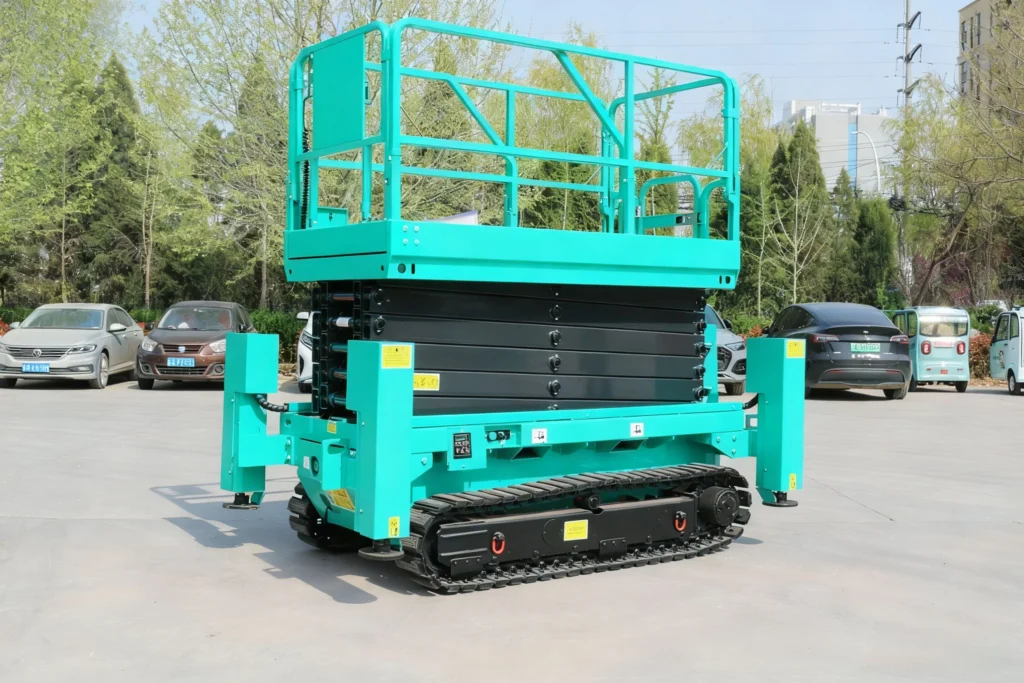
Tracked Scissor Lift
Instead of wheels, these lifts use rubber tracks (similar to an excavator). This significantly reduces the ground pressure, making it the best answer to can you drive a scissor lift on grass without destroying the lawn.
Boom Lifts
If you need to reach a spot over grass but can park the machine on a nearby driveway or sidewalk, a boom lift is superior. The telescopic or articulating arm allows you to “reach over” the grass without ever touching it.
Track Lifts or Spider Lifts
Spider lifts are ultra-lightweight and have “legs” that can be set up on delicate surfaces. They are the preferred choice for arborists and landscapers working on high-end residential lawns.
When It’s Safe (or Safer) to Use a Scissor Lift on Grass
There are rare moments when the answer to can you use a scissor lift on grass is “yes, with caution.”
- During a Drought: If the ground is “concrete-hard” due to lack of rain.
- Frozen Ground: In winter, frozen turf provides a much higher bearing capacity (though ice creates slip risks).
- Using Ground Protection Mats: Using professional-grade AlturnaMATS or similar heavy-duty HDPE mats creates a temporary roadway that can support even heavy machinery on grass.
Expert Tips for Outdoor Lift Operation
When you decide to can you use a scissor lift outside, keep these expert tips in mind:
- Walk the Site First: Literally walk the path you intend to drive. Check for soft spots with a metal rod or shovel.
- Check the Wind Speed: Most scissor lifts are rated for wind speeds up to 28 mph. On grass, you should lower that threshold to 15–20 mph for safety.
- Know Your Exit: If the machine starts to sink, stop immediately. Do not try to “power through” it, as you will only bury the axles and make recovery more expensive.
- Battery/Fuel Check: Ensure you have a full charge or tank. Getting stuck on grass is bad; getting stuck on grass with a dead battery is a nightmare.
Conclusion
So, can you use a scissor lift on grass? While you might see it done on various job sites, it is not a recommended practice for standard indoor “slab” lifts. The risks of tipping, sinking, and damaging both the equipment and the landscape are simply too high.
If your project requires working on turf, your best bet is to rent or purchase a Rough Terrain Scissor Lift or a Spider Lift. These machines are specifically engineered to handle the unpredictability of the outdoors. If you must use a standard lift, never do so without ground protection mats and a thorough stability assessment.
At Kirin Lift, we prioritize your safety and project efficiency above all else. If you are unsure which model is right for your specific terrain, our experts are here to help you navigate the technical specifications. For professional guidance on high-quality aerial work platforms or to find a machine built for your environment, feel free to reach out to us. You can contact our team via email at info@klingtec.com or message us directly on WhatsApp at +86 188 6686 3188. Safety should always be your lift’s highest elevation, and we are here to ensure you reach it safely.
FAQ Section
Can a scissor lift tip over on grass?
Yes, absolutely. Because grass can compress unevenly, one side of the lift can sink while the other remains stable. This creates a lean that, when the platform is extended, can easily exceed the machine’s tipping point.
What type of lift is best for grass?
The best machines for grass are Rough Terrain (RT) Scissor Lifts with outriggers or Tracked Spider Lifts. These are designed to distribute weight and handle the lack of traction inherent in turf.
Can you use plywood under a scissor lift?
Yes, using 3/4-inch or 1-inch thick plywood can help distribute the weight of a scissor lift on grass. However, you must ensure the plywood sheets are butted together tightly so the wheels don’t get caught in the gaps, and never use rotted or thin wood.
Are rough-terrain scissor lifts safe on grass?
They are much safer than slab lifts, but they are not “risk-free.” You still need to check for level ground and ensure the soil can support the weight of the machine. Always use the outriggers if the model is equipped with them.
What happens if a scissor lift sinks?
If you are asking can you drive a scissor lift on grass and it begins to sink, you should stop immediately. Sinking can cause the machine to tilt dangerously. If it “bottoms out,” you will likely need a tow truck or a large forklift to pull it out, which can result in expensive repair bills or rental damage fees.
Can you use a scissor lift outside?
Yes, you can you use a scissor lift outside, provided the model is rated for outdoor use. Outdoor-rated lifts are designed to handle wind loads, whereas “indoor-only” lifts can become unstable even in a light breeze. Always check the machine’s serial plate for wind speed ratings and terrain specifications.