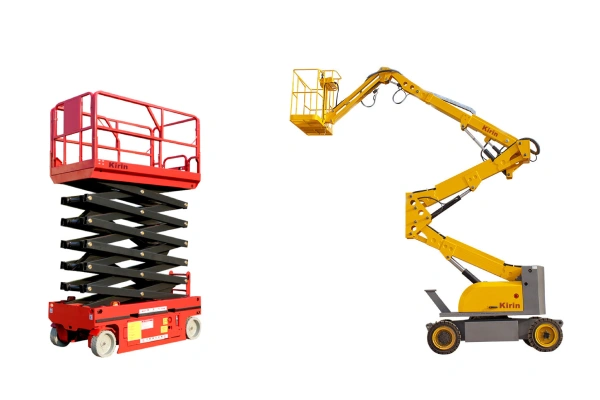
Working at height presents unique challenges and risks. One of the most common pieces of equipment used for elevated work is a boom lift with outriggers. Outriggers are a crucial safety feature that provides stability and prevents tipping. This guide will walk you through everything you need to know about safely operating a boom lift with outriggers, from understanding what they are to a step-by-step guide on how to use them correctly.
What Are Boom Lift Outriggers, and Are They Necessary?
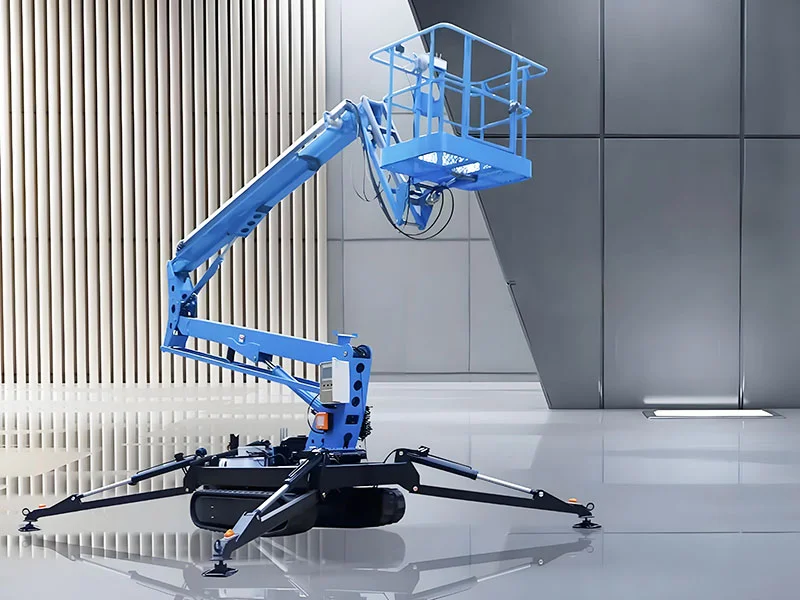
Outriggers are hydraulic or manually operated support legs that extend from the base of a boom lift. They’re designed to widen the machine’s footprint, distributing its weight over a larger area. This increased base of support significantly improves the lift’s stability, especially when operating on uneven or soft surfaces. A boom lift with outriggers relies on these supports to maintain balance and prevent it from tipping over, a critical safety measure when the boom is extended to its maximum height or reach.
Are they necessary? The answer is a resounding yes! While some boom lifts, particularly self-propelled ones, have a counterweight system for stability, a boom lift with outriggers is essential for jobs where the ground is not perfectly flat or firm. The outriggers ensure the lift remains level and secure, minimizing the risk of a catastrophic accident. Without them, the center of gravity could shift dangerously, especially with a heavy load or in windy conditions, making the operation incredibly unsafe. The use of a boom lift with outriggers is a non-negotiable safety practice on many job sites.
Examples of Boom Lifts with Outriggers
While many different types of boom lifts exist, the ones that often come equipped with outriggers are:
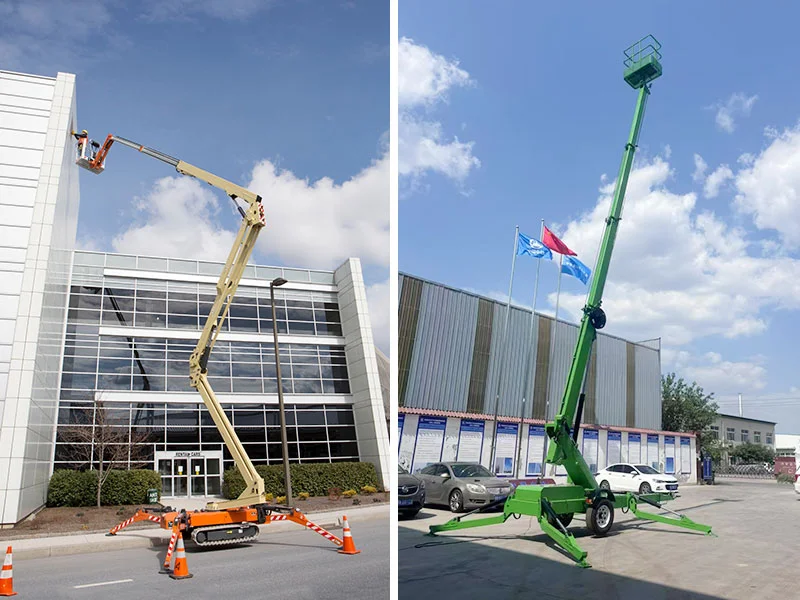
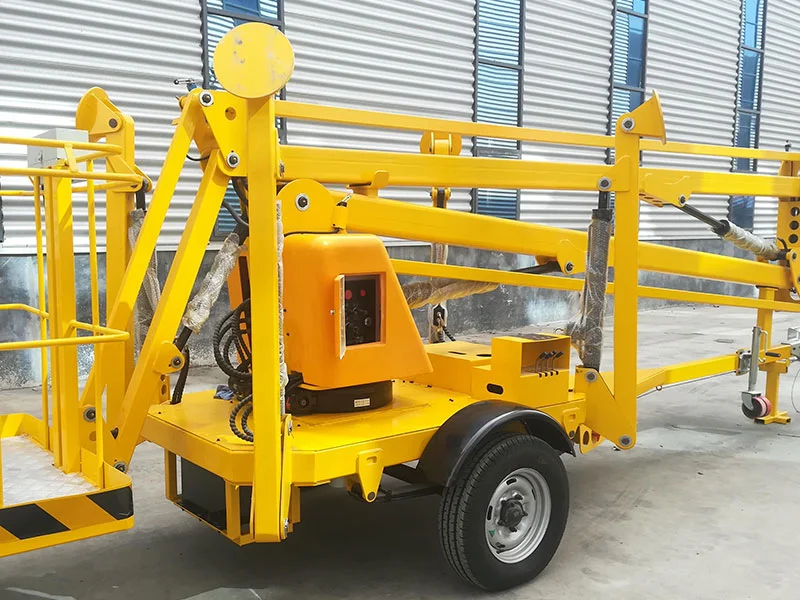
- Towed Boom Lifts (Towable Boom Lifts): These are light, easy to transport, and are towed behind a truck. They always require outriggers because they lack the heavy counterweight of a self-propelled lift. Their stability comes entirely from a properly set-up boom lift with outriggers.
- Spider Lifts (Compact Crawler Lifts): These are versatile lifts with a compact chassis and tracks, making them ideal for indoor or tight spaces. They get their name from their outriggers, which deploy like spider legs. The outriggers are essential for leveling the machine and providing a stable base on varied terrain.
- Truck-Mounted Boom Lifts: These lifts are mounted on a truck chassis. While the truck’s weight provides some stability, they still use outriggers to ensure a perfectly level and secure platform, especially when working on slopes.
Understanding the specific type of boom lift with outriggers you’re using is the first step in ensuring a safe operation. Each machine will have a slightly different procedure for deploying and retracting the outriggers, which is why consulting the operator’s manual is always the right thing to do.
Pre-Operation Safety Checklist
Before you even think about deploying the outriggers on your boom lift with outriggers, you must perform a thorough pre-operation safety check. This checklist is your first line of defense against accidents.
1. Read the Operator’s Manual: This is the most important step. Every boom lift with outriggers is different. The manual contains crucial information about the machine’s specific operation, safety features, and maintenance.
2. Inspect the Work Area: Look for potential hazards like soft ground, potholes, power lines, and underground utilities. The ground must be capable of supporting the entire weight of the boom lift with outriggers and its load.
3. Check the Machine Itself:
- Fluid Levels: Ensure hydraulic fluid, engine oil, and fuel levels are adequate.
- Tires/Tracks: Check for proper inflation and damage.
- Control System: Test all controls in a safe, open area to ensure they are functioning correctly.
- Safety Features: Verify that all safety decals, warning lights, and alarms are in place and operational.
- Outriggers: Inspect the outriggers and their pads for any signs of damage, cracks, or leaks. Ensure they extend and retract smoothly.
4. Personal Protective Equipment (PPE): Make sure you have and are using the correct PPE, including a hard hat, safety glasses, high-visibility vest, and work boots.
5. Wind and Weather: A boom lift with outriggers can be sensitive to wind. Do not operate in high winds or during a storm. Check the weather forecast and the manufacturer’s wind rating for the lift.
This comprehensive checklist helps you identify and mitigate risks before they can cause an accident. Taking the time to perform these checks on a boom lift with outriggers is an investment in your safety and the safety of those around you.
Step-by-Step Guide to Deploying Outriggers
Properly deploying the outriggers on a boom lift with outriggers is the most critical step in preparing for elevated work. Follow these steps carefully:
- Position the Boom Lift: Move the lift to the desired location. Ensure the area is clear of obstacles and that the ground is as level and firm as possible.
- Chock the Wheels: If your boom lift with outriggers is a towable model, place wheel chocks to prevent any movement. Even if the lift is self-propelled, it’s a good practice to chock the wheels for added security.
- Use Outrigger Pads/Plates: Never place the outriggers directly on the ground, especially on asphalt, grass, or other soft surfaces. Use outrigger pads (cribbing) to increase the surface area and distribute the load. This prevents the outriggers from sinking into the ground. A boom lift with outriggers requires a solid, stable foundation.
- Extend the Outriggers: Using the controls, extend the outriggers one by one, watching them as they deploy. Ensure they are fully extended and locked into position. The outrigger pads should be centered beneath the outrigger feet.
- Level the Machine: Many modern boom lift with outriggers have an auto-leveling function. If not, use the manual controls to level the machine. Use the bubble level indicator located on the chassis to ensure the lift is perfectly level in all directions. It’s not safe to operate a boom lift with outriggers if it is not completely level.
- Verify Stability: Once the outriggers are down and the machine is level, perform a final visual inspection. Check that the outrigger pads are making full contact with the ground and that the machine feels stable before you begin to extend the boom.
Safe Operation Practices While Elevated
Once you are safely elevated on your boom lift with outriggers, there are several best practices to follow to ensure your safety and the safety of others.
- Stay Within the Load Capacity: Never exceed the lift’s maximum weight capacity, which includes the weight of the operator, tools, and materials. Overloading a boom lift with outriggers can cause it to become unstable, even with the outriggers deployed.
- Maintain a Safe Distance: Be aware of your surroundings. Stay a safe distance from power lines, buildings, and other obstacles. The lift’s boom can swing and you need to account for this.
- Don’t Lean or Climb Out: Always stay inside the platform. Never climb onto the guardrails or use ladders or scaffolds inside the lift. The platform and its railing are designed to protect you.
- Lower the Boom in High Winds: Even a slight increase in wind can make operating a boom lift with outriggers dangerous. If wind speeds increase, retract the boom and lower the platform immediately.
- Pay Attention to Your Surroundings: Be mindful of other workers, pedestrians, and vehicles on the job site. The operator of a boom lift with outriggers has a responsibility to be aware of their entire work environment.
- Keep a Clear Area Below: Ensure no one is standing or working directly beneath the boom lift. The area below should be barricaded to prevent access.
Retracting the Outriggers
When the job is done, you can’t just drive away. The process of retracting the outriggers on a boom lift with outriggers must be done just as carefully as deploying them.
- Lower the Boom: Safely lower the boom and platform to the stowed position. The machine should be in its travel configuration before the outriggers are retracted.
- Clear the Area: Ensure the area around the lift is clear of people and equipment.
- Retract the Outriggers: Using the controls, retract the outriggers one at a time. Watch to ensure they retract smoothly and completely.
- Stow the Pads: Once the outriggers are fully retracted, remember to pick up and store the outrigger pads.
- Perform a Post-Operation Check: Do a quick walk-around of the machine to check for any new damage or issues that may have arisen during operation.
A properly used boom lift with outriggers is a safe machine, but improper retraction can lead to damage to the lift or surrounding property.
Conclusion
A boom lift with outriggers is an indispensable tool for elevated work, but it requires a deep understanding of its safety features and proper operation. By following a thorough pre-operation checklist, carefully deploying the outriggers, and practicing safe habits while elevated, you can significantly reduce the risk of accidents. The outriggers are not just an accessory; they are the foundation of a safe operation. Always remember that safety is paramount. When in doubt, stop and consult the manual. A safe operator is an effective operator.
FAQs
Can I use a boom lift with outriggers on a slope?
No. While the outriggers help level the machine, a boom lift must be set up on a surface that is as close to level as possible. The outriggers are for fine-tuning and providing a stable foundation, not for compensating for a severe slope. Always consult the operator’s manual for the maximum allowable slope.
Do all boom lifts have outriggers?
No. Many self-propelled boom lifts, especially larger ones, use counterweights for stability. However, towable lifts, spider lifts, and some truck-mounted lifts almost always rely on a boom lift with outriggers setup for safety.
What is the most common cause of boom lift accidents?
The most common causes are improper setup, exceeding the load capacity, and contact with power lines. Many accidents are preventable by adhering to safety protocols, especially by ensuring the boom lift with outriggers is set up correctly.
What’s the difference between an outrigger and a stabilizer?
The terms are often used interchangeably, but outriggers typically lift the machine’s wheels completely off the ground, while stabilizers may simply press down to prevent movement but don’t necessarily lift the wheels. The function is the same: to provide a stable, level base for a boom lift with outriggers.