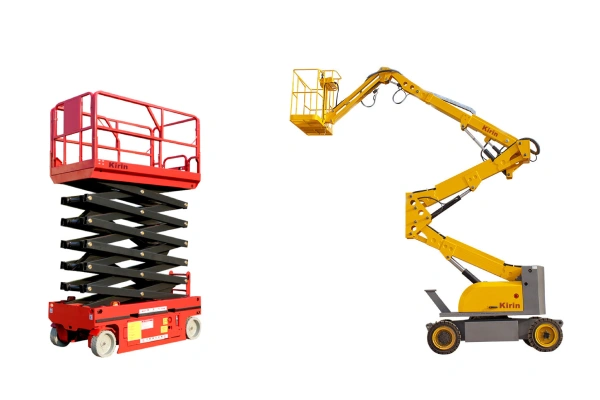
Using a boom lift for a job can be a great way to save time and effort. They give workers an easy way to access hard-to-reach areas. But, with this great convenience comes great responsibility. One of the most critical safety factors to consider when operating this equipment is the boom lift wind limits.
The boom lift wind limits are not just a suggestion; they are a critical safety measure that can mean the difference between a successful job and a catastrophic accident. Ignoring these limits puts the operator, ground crew, and anyone nearby at risk. Let’s delve into what these limits are, how they are determined, the dangers of ignoring them, and the essential safety precautions to take.
What Are Boom Lift Wind Limits?
Definition
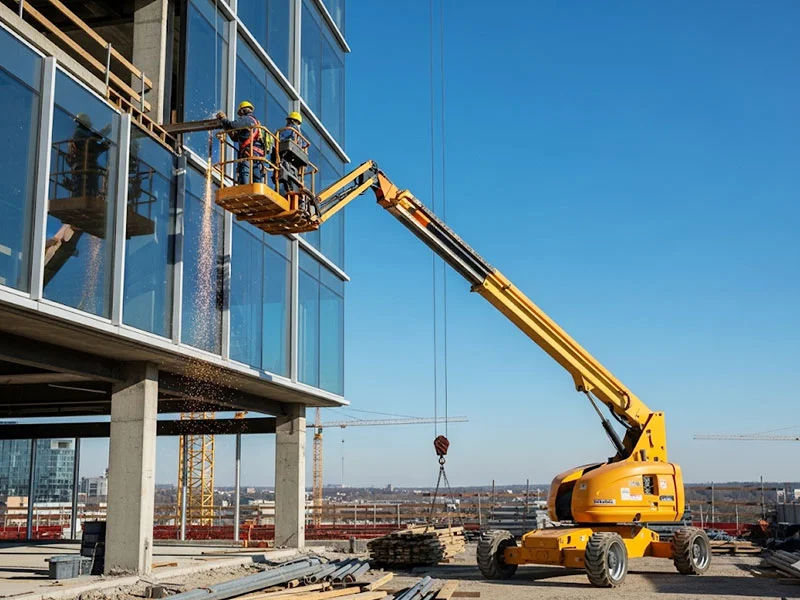
Boom lift wind limits are the maximum wind speeds in which it’s safe to operate the lift. They are established by the manufacturer and are based on a variety of engineering and safety tests. These limits are designed to prevent the lift from becoming unstable, tipping over, or causing the operator to lose control. High winds can turn the platform and its occupants into a sail, significantly increasing the risk of an accident.
Standard Limits
While specific limits can vary between models and manufacturers, a common industry standard for boom lift wind limits is approximately 28 mph (12.5 m/s). This limit is not arbitrary; it’s a carefully calculated threshold based on the lift’s design, weight, and stability. While 28 mph might not seem fast, it’s important to remember that wind speed can increase with altitude. A breeze on the ground can be a strong gust at 50 feet.
Manufacturer’s Manuals
The most accurate and reliable information regarding boom lift wind limits can be found in the manufacturer’s manual. This document is a goldmine of information, detailing everything from operating procedures to maintenance schedules and, of course, the specific wind limits for that particular model. Always consult the manual before operating the equipment. It’s a non-negotiable step for safe operation. The manual will also provide guidance on how to secure the lift when not in use during high-wind events.
Indoor vs. Outdoor
While the focus is often on outdoor use, indoor applications also require careful consideration of wind. While a boom lift is less likely to encounter significant wind gusts indoors, certain factors like drafts from open doors, high-speed fans, or even HVAC systems can create wind-like conditions. Always be aware of your surroundings, both indoors and outdoors, and consider any factor that could cause air movement around the lift.
How Is Wind Speed Determined?
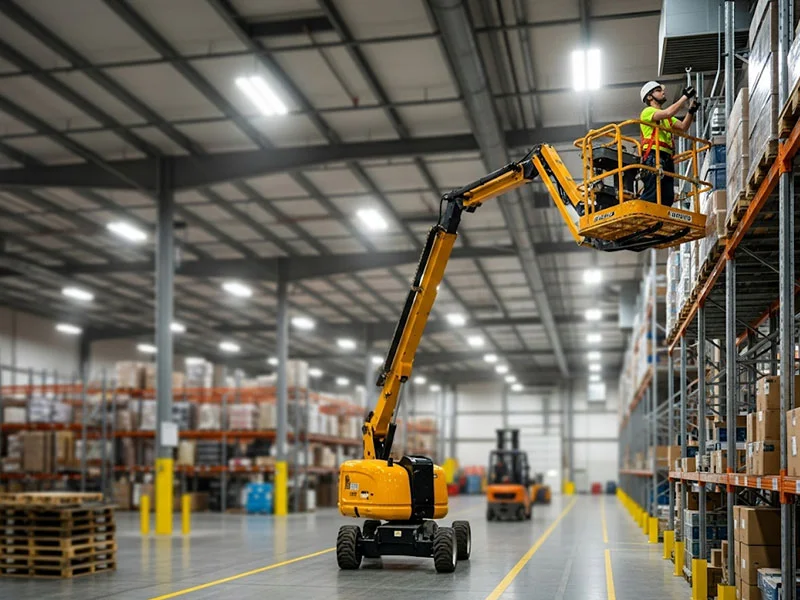
Determining the wind speed on a job site isn’t as simple as checking a general weather report. The wind speed can vary dramatically depending on your exact location and elevation. Here’s a look at how to accurately gauge wind speed.
Platform Elevation
Wind speed naturally increases with altitude. A wind reading on the ground might be 10 mph, but at the elevated platform of a boom lift, it could be 25 mph or more. This is due to a phenomenon called the atmospheric boundary layer, where friction from the ground slows the wind down. As you move away from the ground, this friction decreases, and the wind speed increases. Always account for this effect when assessing the wind conditions at the working height.
Surrounding Structures
Buildings, trees, and other structures can significantly affect wind patterns. They can create a “venturi effect,” where wind is funneled between structures, causing it to accelerate. This can lead to localized gusts that are much stronger than the general wind speed. Conversely, these structures can also provide a windbreak, but it’s crucial not to rely on them without a proper assessment. Always be aware of how the surrounding environment is influencing the wind on your specific worksite.
Local Weather Events, Including Approaching Storms
It is crucial to stay informed about local weather forecasts, especially for approaching storms. A calm morning can quickly turn into a windy afternoon. Use a reliable weather app or a dedicated wind meter to get real-time data. A storm doesn’t have to be directly overhead to be a threat. A strong thunderstorm miles away can create significant downbursts or gust fronts that can travel and impact your worksite. Always check the forecast and have a plan to lower the boom lift and secure the site if conditions deteriorate.
Wind Speed Descriptions
To help you better understand and communicate wind speeds, here’s a simple guide to common wind descriptions:
- Light Air (1-3 mph): The wind is barely noticeable.
- Light Breeze (4-7 mph): A gentle breeze; leaves rustle.
- Gentle Breeze (8-12 mph): Wind felt on the face; small flags extend.
- Moderate Breeze (13-18 mph): Dust and loose paper are blown around; small branches move.
- Fresh Breeze (19-24 mph): Small trees begin to sway.
- Strong Breeze (25-31 mph): Large branches sway; wind is difficult to walk against. This is often the critical threshold for boom lift wind limits.
The Dangers and Risks of Ignoring Wind Limits
Ignoring boom lift wind limits is a dangerous gamble that can have severe consequences. The risks extend beyond just the operator and the equipment.
- Lift Instability and Tipping: This is the most significant risk. The boom lift’s design relies on a precise balance of weight and counterweight. High winds can create a large sail effect, putting immense pressure on the boom and causing the entire machine to become unstable and tip over.
- Loss of Control: High winds can make it difficult for the operator to control the platform’s movement. Gusts can cause the boom to sway unexpectedly, leading to a collision with a structure or another worker.
- Falling Debris: Wind can turn loose materials, tools, or even small pieces of equipment on the platform into dangerous projectiles, posing a threat to anyone below.
- Operator Injury: A fall from a boom lift can be fatal. If the lift tips over, the operator can be thrown from the platform, even if they are wearing a harness.

Safety Precautions
To ensure safe operation and mitigate the risks associated with boom lift wind limits, follow these essential safety precautions:
- Always Consult the Manual: As mentioned earlier, the manufacturer’s manual is your primary source of truth. Never operate a boom lift without knowing its specific boom lift wind limits.
- Use a Wind Meter: Relying on your judgment or a general weather forecast is not enough. A handheld anemometer or a wind meter on the platform provides real-time, accurate wind speed data.
- Monitor Weather Conditions Constantly: Weather can change rapidly. Check the forecast before you start work and continue to monitor conditions throughout the day.
- Be Aware of Your Surroundings: Look for signs of high wind, such as swaying trees, flying debris, or flags snapping in the wind. Pay attention to how the wind is affected by nearby structures.
- Lower the Lift in High Winds: If the wind speed approaches the boom lift wind limits, lower the boom lift to a safe, ground-level position. It’s better to lose a few minutes of work than to risk a major accident.
- Secure the Work Area: Ensure that any loose tools or materials on the platform are secured to prevent them from becoming airborne projectiles.
Conclusion
The importance of boom lift wind limits cannot be overstated. They are a fundamental aspect of operating this machinery safely. By understanding what these limits are, how to determine wind speed accurately, and the dangers of ignoring them, you are taking a crucial step towards creating a safe working environment. Always remember that safety should be the top priority on any job site. Adhering to the boom lift wind limits is not just a rule; it’s a commitment to the well-being of everyone around you.
FAQs
What is the average wind speed limit for a boom lift?
The average wind speed limit for a boom lift is approximately 28 mph (12.5 m/s). However, this can vary by manufacturer and model, so always check the specific limit in the operator’s manual.
Can I operate a boom lift in a light breeze?
A light breeze (4-7 mph) is generally safe, as it is well below the typical boom lift wind limits. However, it’s essential to monitor conditions and be aware of potential gusts or sudden changes in weather.
Why do wind speeds increase with altitude?
Wind speeds increase with altitude because of the atmospheric boundary layer. Friction from the ground slows the wind, and as you move away from the ground, this friction decreases, allowing the wind to move faster.
What should I do if the wind speed exceeds the limit?
If the wind speed exceeds the boom lift wind limits, you should immediately lower the boom lift to a safe, ground-level position and secure it according to the manufacturer’s instructions. Do not continue to operate the lift until conditions improve.
Can I use a regular weather app to check wind speed?
While a weather app can provide a general idea of wind speed, it’s not as reliable as a dedicated wind meter. Localized gusts and microclimates can cause the wind speed at your specific worksite to be significantly different from the regional forecast. It is always best to use a handheld anemometer to get accurate, real-time readings at the work site.