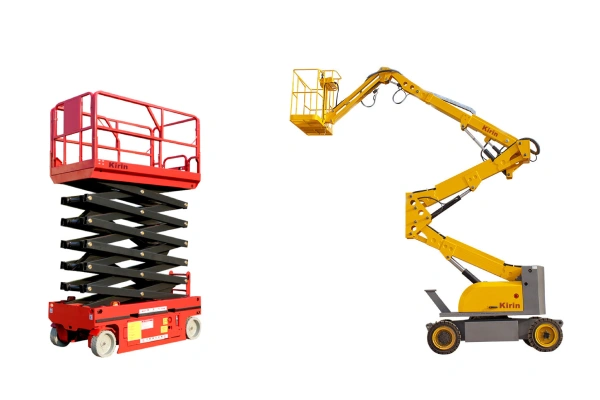
Choosing the right boom lift for a job is a critical decision that affects not only efficiency and budget but, most importantly, safety. The range of available models—from compact electric units to massive diesel-powered behemoths—can be overwhelming. The key to successful equipment selection lies in deeply understanding two primary metrics: boom lift height and lift capacity. This complete sizing guide will walk you through the essential factors and classifications you need to know to make the perfect choice for your next elevated work project.
Why Boom Lift Size Matters
Selecting the appropriate boom lift size isn’t just about reaching the work area; it’s a multifaceted decision with significant implications:
- Safety and Compliance: An undersized lift forces workers to dangerously overreach, while an overloaded lift risks catastrophic failure. Proper sizing ensures compliance with safety regulations and reduces accident risk.
- Efficiency and Productivity: Using a lift that is too small requires time-consuming repositioning and can limit the materials you can bring up. Conversely, a lift that is too large can be cumbersome to maneuver, challenging to transport, and may not even fit in the work area.
- Cost Control: Larger machines cost more to rent, operate, and transport. Matching the boom lift height and capacity precisely to the job scope avoids unnecessary expenses.
- Site Impact: Heavier, larger lifts are better suited for rough, outdoor terrain, but can damage sensitive indoor or paved surfaces.
Understanding Boom Lift Height Classifications
When discussing boom lift height, you’ll encounter two primary terms that are often confused:
- Platform Height: This is the maximum vertical distance from the ground to the floor of the working platform. When a lift is marketed as a “60-foot boom lift,” it usually refers to the platform height.
- Working Height: This is the most important measurement for the actual worker. It is calculated by adding the average comfortable human reach (typically 6 feet or about 1.8 meters) to the platform height.
- Formula: Working Height = Platform Height + 6 feet
Therefore, a 60-foot platform height lift has a working height of approximately 66 feet, which is the true maximum overhead height a worker can reach.

Boom Lift Types and Their Size Ranges
Boom lifts come in several configurations, with each type designed to prioritize either pure boom lift height and reach, or maneuverability.
| Boom Lift Type | Maximum Vertical Platform Height Range | Key Feature & Best Use |
| Telescopic (Straight Boom) Lifts | 40 ft up to 185 ft+ | Prioritizes height and max horizontal outreach (straight, unjointed arm). Best for open areas where direct, maximum vertical and horizontal reach is needed, like bridges, stadiums, or high-rise construction. |
| Articulating (Knuckle Boom) Lifts | 30 ft up to 150 ft | Prioritizes “up-and-over” access (jointed arm). Best for confined areas, navigating around obstacles like piping, overhangs, or utility lines, or indoor/outdoor hybrid jobs. |
| Towable Boom Lifts | 30 ft up to 50 ft | Lightweight, easily towed behind a truck. Best for smaller projects, short-term maintenance, or applications where easy transport and setup are paramount (e.g., tree trimming, exterior painting). |
| Atrium/Spider Lifts | 30 ft up to 100 ft+ | Compact, lightweight, often with tracks and outriggers. Best for accessing tight indoor spaces, delicate flooring (atria), or steep/uneven terrain where low ground pressure is required. |

Decoding Boom Lift Height Metrics
Beyond the basic height metrics, several other specifications dictate a boom lift’s utility:
- Horizontal Outreach (or Range): This is the maximum distance the platform can extend horizontally from the centerline of the machine’s base. For telescopic lifts, this is often a significant fraction of the platform height, sometimes reaching up to 80 feet or more on the largest models. For articulating lifts, this metric is crucial for determining how far the lift can maneuver around an obstacle.
- Up-and-Over Height: Specific to articulating boom lifts, this is the height the boom can reach over an object before dropping down to the desired work area. It’s a key factor when working above building parapets, machinery, or landscaping.
- Stowed Dimensions: The height, length, and width of the machine when it is fully retracted for transport or storage. This is vital for checking if the lift can fit through doorways, gates, or under low structural beams during transport within the job site.
- Weight (Gross Vehicle Weight – GVW): The total operating weight of the machine. This is critical for assessing transport requirements and determining if the work surface (flooring, paving, or ground) can safely support the lift’s load.
Best Applications by Lift Size
The optimal boom lift height and type depend entirely on the task at hand:
- Small (30 ft – 45 ft): Ideal for basic indoor maintenance, low-level outdoor building upkeep, lighting installation in warehouses, or working in confined parking garages and retail spaces.
- Medium (46 ft – 65 ft): The most versatile range. Used for general construction, exterior painting on two- to four-story buildings, utility work, and mid-range steel or roofing projects.
- Large (66 ft – 135 ft): Essential for commercial construction on mid-to-high-rise buildings, extensive bridge inspection and repair, large-scale industrial facility maintenance, and cell tower work.
- Ultra-Large (136 ft +): Reserved for specialized projects demanding extreme boom lift height, such as wind turbine maintenance, major infrastructure (e.g., dams, high bridges), or work on the tallest high-rise structures.
When Height Isn’t Everything: Capacity and Reach
While boom lift height is usually the first thing people look at, capacity and reach are equally important, particularly for safety and efficiency.
- Capacity (Rated Load): This is the maximum weight, including personnel, tools, and materials, that the platform can safely support. Most boom lifts have a capacity ranging from 500 lbs to 1,000 lbs. You must choose a lift with a capacity rating that exceeds the total weight of your workers plus all their necessary tools and supplies. Exceeding the rated capacity is one of the fastest ways to cause a major accident.
- Note: Some large capacity (XC/Xtreme Capacity) models can handle up to 1,000 lbs unrestricted (at full extension/height) or more, which is crucial for jobs involving heavy materials like glass or steel beams.
- Horizontal Reach: Often a limiting factor. If your target is 50 feet high but also 40 feet away from where the lift can be positioned, you need to ensure the lift’s horizontal outreach can cover that distance, regardless of its maximum vertical boom lift height.
5 Critical Factors for Proper Sizing
Selecting the right machine requires a systematic assessment of the job site and work requirements, going beyond just the desired boom lift height.
Required Vertical Reach:
Accurately measure the working height you need (highest work point + 6 feet). Always choose a lift with a platform height that gives you at least a 5 to 10-foot margin of error above your calculated minimum required height. This buffer ensures maximum worker comfort and eliminates the temptation to stretch or stand on platform railings.
Obstacles and Access:
If the work requires maneuvering around, over, or under structures, an articulating boom lift is necessary due to its flexible arm (“knuckles”). If the area is open and your goal is pure straight-line reach to the top, a telescopic boom lift will be more efficient. Also, check stowed dimensions against doorways or narrow access points.
Job Site Terrain:
Rough terrain, soft ground (mud, turf, sand), or slopes require a rough terrain (RT) model, usually diesel-powered with 4×4 or tracked (TraX) mobility. Indoor or paved/finished surfaces are best suited for electric or hybrid lifts, which are quieter, lighter, and produce zero emissions.
Power Source:
- Electric/Battery: Clean, quiet, and emission-free. Ideal for indoor work, long-term jobs with power access, and finished outdoor environments. Note the battery life (typically 4-8 hours) and charging time.
- Diesel/Gas/Hybrid: More powerful, with better torque for driving over rough terrain and greater range for remote job sites. Diesel is necessary for the largest models that require maximum boom lift height and lifting power.

Wind and Load Ratings:
Never underestimate the impact of wind. Boom lift height and capacity ratings are often reduced when operating in high wind conditions. Check the manufacturer’s operational manual for the maximum permissible wind speed. Also, confirm whether the stated capacity is unrestricted (available at full extension) or restricted (only available within a certain operating envelope).
Conclusion: Safety First, Then Specs
The process of sizing a boom lift should always begin and end with safety. By methodically determining your precise working height, required capacity, and site-specific access needs, you can select the correct machine from the multitude of options. A thorough understanding of the distinction between platform height and working height, alongside a sober assessment of capacity and horizontal outreach, will ensure your project runs smoothly, efficiently, and, most importantly, safely. Don’t compromise; match the tool to the task, and your elevated work will soar to new heights.
FAQs
What is the difference between “Platform Height” and “Working Height”?
Platform Height is the distance from the ground to the floor of the work platform. Working Height is the platform height plus a standard 6 feet (to account for an average worker’s overhead reach), which represents the maximum height a worker can practically reach.
How do I know if I need a Telescopic or Articulating Boom Lift?
If you need the maximum straight-line boom lift height and horizontal reach to an open target, choose a Telescopic lift. If you need to maneuver up and over obstacles like roof edges, machinery, or utility lines, choose an Articulating (knuckle) lift.
What is the average lift capacity for a standard boom lift?
Most boom lifts have a standard capacity between 500 lbs and 1,000 lbs. Always check the specific lift’s data plate, and ensure this capacity covers the weight of all personnel, tools, and materials being lifted.
Are there any boom lifts that can reach over 180 feet?
Yes. While models topping out at 180-185 feet are considered the largest standard offerings, some specialized “ultra-boom” models, particularly telescopic ones, have been engineered to achieve working heights exceeding 200 feet for extreme vertical access jobs.