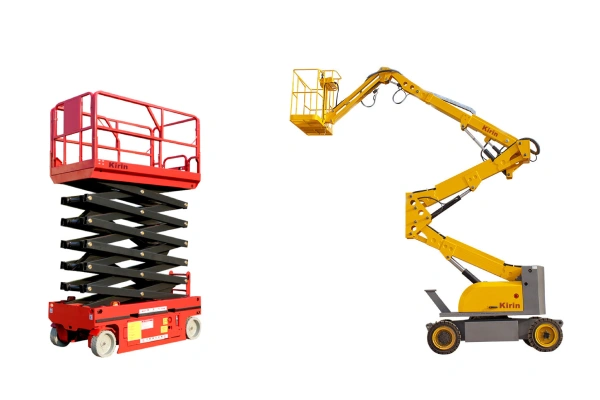
When you are working at heights of 40, 60, or even 150 feet, your life quite literally depends on the stability of your equipment. While the reach and capacity of a machine are often the focus of attention, the most critical component for site safety is often the boom lift brakes. Whether you are using a self-propelled telescopic model or a towable boom lift brake system, understanding how these mechanisms keep you stationary and secure is paramount.
In this comprehensive guide, we will dive deep into the mechanics, maintenance, and safety protocols surrounding boom lift brakes to ensure your operations remain efficient and, most importantly, accident-free.
What Are Boom Lift Brakes?
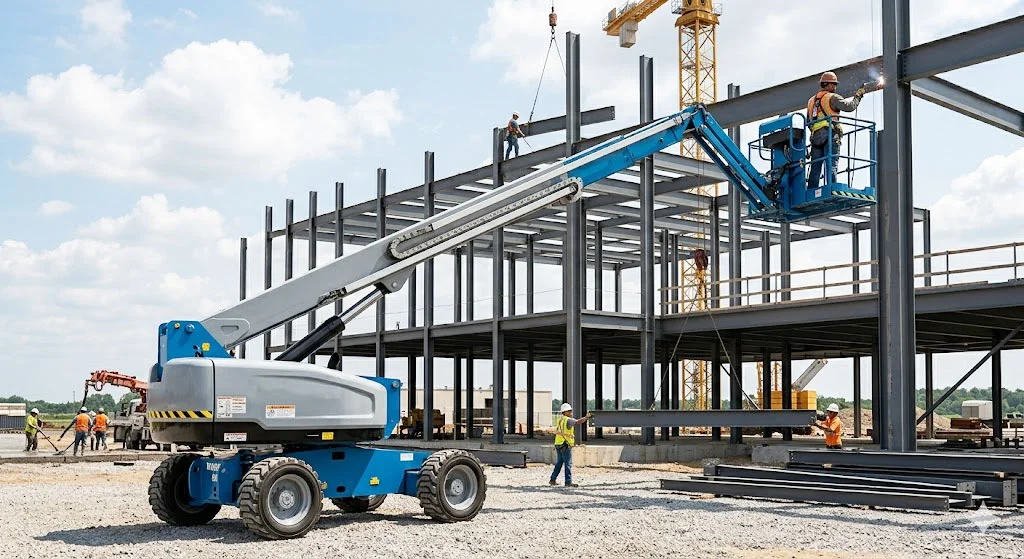
At its simplest, a boom lift brake system is a mechanical or hydraulic assembly designed to stop the motion of the machine and hold it firmly in place during operation. Unlike a car, where brakes are primarily used to slow down from high speeds, boom lift brakes serve a dual purpose: providing controlled deceleration and ensuring a rock-solid foundation when the platform is extended.
A boom lift brake assembly must be capable of resisting significant gravitational forces, especially when the boom is fully extended at an angle, creating a high center of gravity. Without a functioning boom lift brake, the machine could succumb to “creep,” where it slowly rolls out of position, or catastrophic failure, leading to a tip-over.
Types of Boom Lift Brakes
Modern aerial work platforms utilize several layers of braking technology to provide redundancy. Understanding the different boom lift brakes on your machine helps you identify which system might be failing during an inspection.
Service Brakes
Service brakes are the primary boom lift brakes used during active travel. When an operator releases the drive joystick, the service brake engages to bring the machine to a smooth stop. In many electric and hydraulic models, these are integrated into the drive motors.
Parking Brakes
The parking brake is designed to hold the machine stationary for long periods. In a boom lift brake assembly, the parking brake is often “spring-applied and pressure-released.” This means that the default state of the brake is “locked.” Only when the operator initiates a drive command does hydraulic pressure compress the springs to release the boom lift brakes.
Emergency Brakes
If a primary system fails, the boom lift emergency brake safety circuit kicks in. This is a fail-safe mechanism designed to halt all motion immediately. On many machines, hitting the Emergency Stop (E-Stop) button instantly cuts power to the hydraulic release valves, causing the boom lift brakes to lock up instantly.
Dynamic and Hydraulic Braking Systems
Dynamic braking occurs when the hydraulic motor itself resists movement. When the flow of hydraulic fluid is restricted or stopped, the resulting backpressure acts as a powerful braking force. This is a core component of the boom lift brake system, ensuring that the machine doesn’t “run away” when driving down an incline.
How Boom Lift Brakes Work
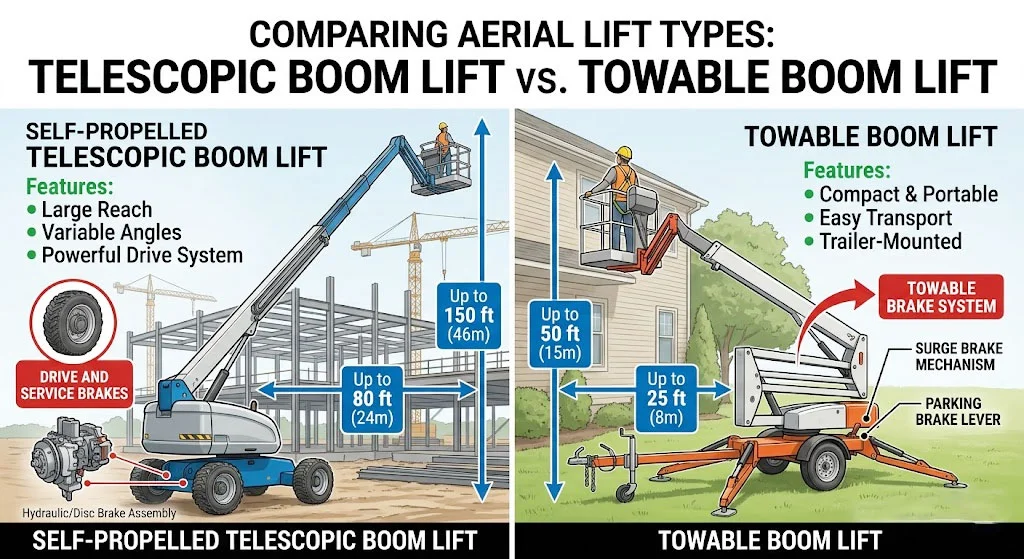
Understanding the physics of a boom lift brake assembly is essential for any technician or operator. Most industrial lifts use a multi-disc brake system submerged in oil (wet brakes).
When the operator wants to move, hydraulic oil is pumped into a brake chamber. This pressure overcomes the force of heavy-duty internal springs, pushing the brake discs apart and allowing the drive shaft to turn. As soon as the operator stops or a hose bursts, the hydraulic pressure drops. The springs then slam the discs back together, creating friction that stops the machine. This “fail-safe” design is why boom lift brakes are so reliable; they require active energy to release, rather than active energy to apply.
In a towable boom lift brake setup, the system may rely on surge brakes. As the towing vehicle slows down, the momentum of the trailer pushes against a master cylinder on the hitch, which then applies the towable boom lift brake to the trailer wheels.
Common Issues with Boom Lift Brakes
Even the most robust boom lift brake system can succumb to the harsh environments of construction sites. Recognizing the early warning signs of boom lift brakes failure can save lives and thousands of dollars in repair costs.
Brake Wear and Tear
Over time, the friction discs within the boom lift brake assembly will thin out. While “wet” brakes last much longer than “dry” automotive brakes, they are not infinite. Eventually, the discs lose their gripping power, leading to longer stopping distances.
Hydraulic Fluid Leaks
Since most boom lift brakes are pressure-released, a leak in the hydraulic line is a double-edged sword. A small leak might prevent the brakes from releasing fully, causing “dragging” and overheating. Conversely, a major leak could trigger the boom lift emergency brake safety circuit, locking the machine in place in the middle of a busy job site.
Loss of Braking Power
If you notice the machine “creeping” while the boom is elevated, your boom lift brakes are likely slipping. This is often caused by contaminated hydraulic fluid or worn-out springs within the boom lift brake assembly.
Unusual Noises or Delayed Response
Squealing, grinding, or a noticeable delay between releasing the joystick and the machine stopping are all red flags. Grinding usually indicates that the boom lift brake parts are metal-on-metal, requiring immediate replacement.
Environmental Factors
- Dust/Debris: Can clog cooling fins or contaminate external boom and lift brake components.
- Moisture: Leads to corrosion of the boom lift brake assembly housing.
- Temperature: Extreme cold can thicken hydraulic fluid, leading to sluggish boom lift brakes performance.
Boom Lift Brake Maintenance Best Practices
A proactive approach to boom lift brakes maintenance is the only way to ensure 100% uptime and safety.
Routine Inspection Checklist
Every pre-start inspection should include a check of the boom lift brakes.
- Test the Holding Power: Drive the machine to a slight incline and ensure the boom and lift brakes hold without drifting.
- Check for Leaks: Look for puddles or “wet” spots around the wheel hubs and boom lift brake assembly.
- Inspect the Towable Boom Lift Brake: If using a towable unit, check the surge brake fluid levels and the emergency breakaway cable.
Preventive Maintenance Tips
- Fluid Flushes: Change hydraulic fluid at the intervals recommended by the manufacturer. Contaminated fluid is the #1 killer of boom lift brake parts.
- Part Replacement: Don’t wait for total failure. Replace boom lift brake parts like seals and O-rings during scheduled overhauls.
- Cleaning: Use a pressure washer to keep the boom and lift brake area free of mud and corrosive salts.
Importance of Operator Training
The best boom lift brake system in the world can’t compensate for a poorly trained operator. Operators must be taught not to “ride” the brakes or use the drive function to hold the machine on a slope—this creates immense heat and prematurely wears out the boom lift brakes.
Safety Tips for Using Boom Lift Brakes
Safety isn’t just about the hardware; it’s about how you interact with the boom lift brakes.
- Never Bypass the Circuit: Never attempt to bypass the boom lift emergency brake safety circuit. This circuit is designed to protect you from mechanical failure.
- Mind the Slope: Always check the machine’s manual for the maximum slope rating. Exceeding this limit can overwhelm the boom lift brakes.
- Chock the Wheels: Even with a perfect boom lift brake system, using wheel chocks on inclines provides a secondary layer of safety that is industry best practice.
- Engage the Parking Brake: Always ensure the parking boom and lift brakes are fully engaged before elevating the platform.
When to Repair or Replace Boom Lift Brakes
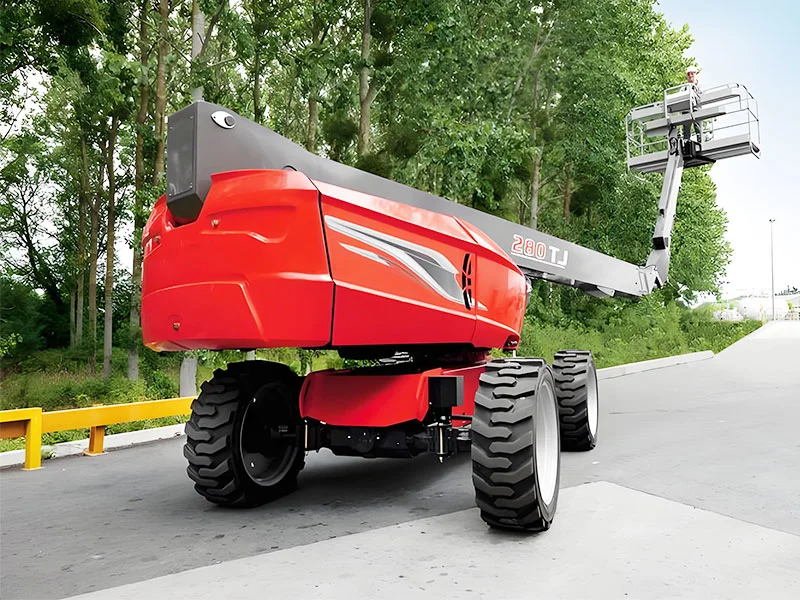
Knowing when to fix a part and when to replace the entire boom lift brake assembly is a critical management decision.
If the internal friction discs are worn, you can often get away with replacing just those boom lift brake parts. However, if the housing is cracked or the internal spring tension has weakened significantly, a full replacement of the boom lift brake assembly is safer and more cost-effective in the long run.
Always use OEM (Original Equipment Manufacturer) boom lift brake parts. While aftermarket parts may be cheaper, the boom lift brakes are not an area where you want to compromise on quality.
Conclusion
The boom lift brakes on your equipment are the silent guardians of the job site. From the intricate boom lift brake assembly that holds you steady while you’re painting a bridge, to the boom lift emergency brake safety circuit that acts as your final safety net, these systems require respect and meticulous care.
By performing regular inspections, using high-quality boom lift brake parts, and ensuring your operators understand the boom lift brake system, you can ensure that your team stays safe and your machines stay productive. Remember, when it comes to boom lift brakes, there is no such thing as “too much maintenance.”
As a dedicated manufacturer of aerial work platforms, we understand that safety starts with high-quality engineering. If you have questions about your specific boom lift brake system or need to source reliable boom lift brake parts, please feel free to contact us:
- Email: info@klingtec.com
- WhatsApp: +86 188 6686 3188
FAQs
How often should boom lift brakes be inspected?
You should perform a visual and functional test of the boom lift brakes every single day during the pre-operation inspection. A more thorough mechanical inspection of the boom lift brake assembly should occur every 250 to 500 hours of operation, or as specified by the manufacturer’s service manual.
What causes boom lift brake failure?
The most common causes of failure in boom lift brakes include hydraulic fluid contamination, worn friction discs, leaking seals, and broken return springs. In towable boom lift brake systems, failure is often caused by air in the brake lines or a faulty master cylinder in the hitch.
Can you operate a boom lift with faulty brakes?
Absolutely not. Operating a machine with faulty boom and lift brakes is a violation of OSHA standards and puts lives at risk. If you suspect any issue with the boom lift brake system, the machine should be immediately “Red Tagged” and removed from service until a qualified technician can perform repairs.
How much does it cost to replace boom lift brakes?
The cost varies depending on the machine size. Replacing basic boom lift brake parts like seals or pads might cost $200–$500. However, replacing a complete boom lift brake assembly on a large industrial machine can range from $1,500 to $4,000 per wheel, including labor and parts. Keeping your boom and lift brakes maintained is far cheaper than a full replacement!