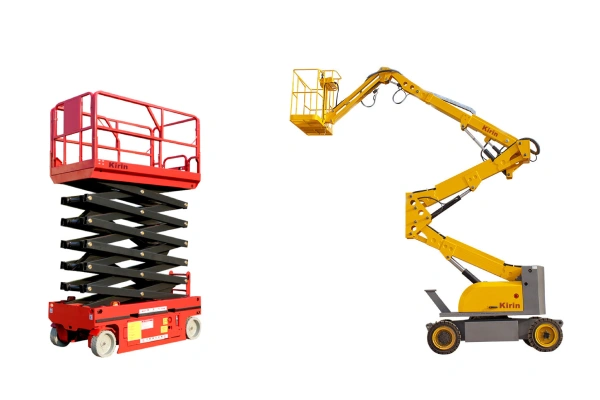
In the world of construction, facility maintenance, and industrial engineering, reaching new heights is more than a metaphor—it is a daily requirement. When a standard ladder or a localized scaffold isn’t enough to get the job done, the basket boom lift becomes an indispensable asset. Whether you are painting a high-rise, repairing electrical lines, or managing inventory in a massive warehouse, understanding the nuances of a basket boom lift can mean the difference between a project completed efficiently and one fraught with safety risks.
This comprehensive guide explores everything you need to know about the basket boom lift, from its mechanical design and various types to critical safety protocols and maintenance tips.
What is a Basket Boom Lift?
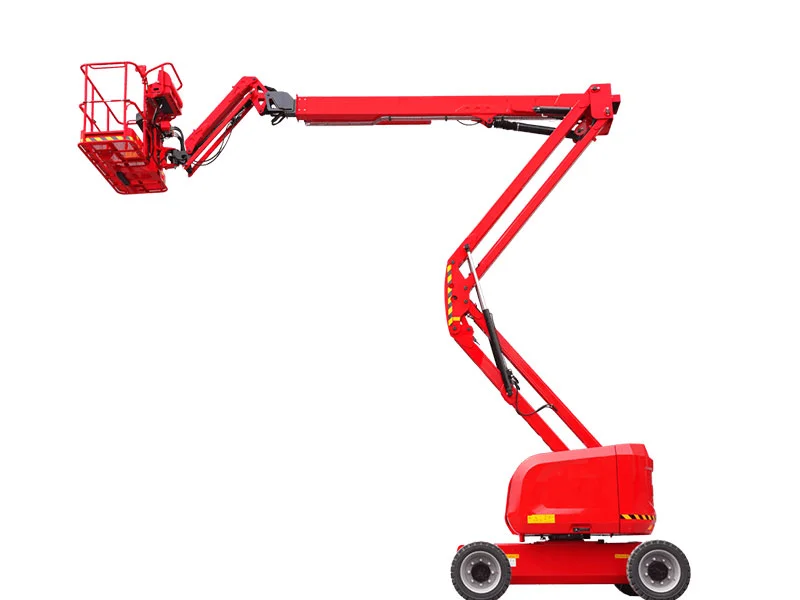
A basket boom lift—often referred to as a cherry picker or a man lift—is a type of Aerial Work Platform (AWP) designed to provide temporary access for people or equipment to inaccessible areas, usually at height. Unlike a scissor lift, which only moves vertically, a basket boom lift features a hydraulic arm (the “boom”) that can extend outward and upward.
At the end of this arm is the boom lift basket, a reinforced enclosure designed to keep operators secure while they work. The basket boom lift is engineered for versatility; it can maneuver around obstacles, reach over structural barriers, and provide a stable platform in environments where the ground may not be perfectly level.
The boom lift basket dimensions vary depending on the model, but they are typically designed to hold one to two workers plus their tools. Because the basket boom lift is such a specialized piece of equipment, its design focuses heavily on the center of gravity and weight distribution to prevent tipping during high-altitude maneuvers.
Key Types of Basket Boom Lifts
Not all aerial challenges are the same, which is why the basket boom lift comes in several distinct configurations. Selecting the right one depends on your specific “reach” requirements and the obstacles present on your job site.
Articulating (Knuckle) Booms
Articulating basket boom lifts feature arms with multiple sections that “joint” or “knuckle.” This allows the boom lift basket to be positioned with incredible precision.
- Best for: Navigating over and around obstacles like ductwork, rafters, or machinery.
- Key Advantage: They offer “up-and-over” clearance, making them ideal for complex indoor maintenance or tight urban construction sites.
Telescopic (Stick) Booms
A telescopic basket boom lift features a straight arm that extends and retracts like a telescope.
- Best for: Projects requiring maximum horizontal reach and height.
- Key Advantage: While they lack the “bending” capability of an articulating lift, they provide superior stability at extreme heights. If you need to reach the top of a cell tower or a high-rise facade from a distance, the telescopic basket boom lift is your best bet.
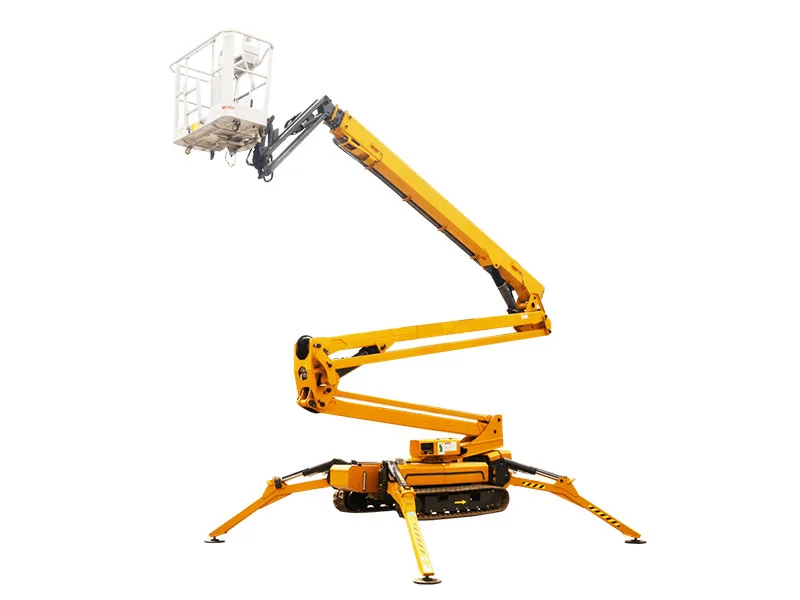
Towable/Spider Lifts
These are specialized, compact versions of the basket boom lift.
- Towable Lifts: Can be hitched to a truck and moved easily between sites. They usually feature outriggers for stability.
- Spider Lifts: These use “legs” rather than wheels or traditional tracks, allowing them to climb stairs or operate on extreme inclines. The boom lift basket on these models is often detachable to allow the unit to fit through standard doorways.
Top Benefits of Using a Basket Boom Lift
Why choose a basket boom lift over other access methods? The benefits extend far beyond just height.
- Unmatched Versatility: The primary draw of the basket boom lift is its ability to move in three dimensions. While a scissor lift is a vertical elevator, a basket boom lift is a 3D navigator.
- Enhanced Safety: Working from a boom lift basket is significantly safer than using ladders. The basket provides a physical barrier and integrated attachment points for fall arrest systems.
- Efficiency and Speed: Setting up scaffolding can take days. A basket boom lift can be driven into position and extended in minutes, drastically reducing labor costs.
- Customization: With various boom lift basket accessories, you can tailor the platform to the task. For example, adding a boom lift basket cover protects controls from the elements, while boom lift basket attachments like tool trays or welder leads keep the workspace organized.
- Small Footprint: Many basket boom lift models are designed to operate in narrow aisles, providing high-reach capabilities without requiring a massive staging area.
Critical Safety Standards
Operating a basket boom lift is a high-risk activity that requires specialized training and a “safety-first” mindset. Adhering to OSHA (Occupational Safety and Health Administration) and ANSI standards is non-negotiable.
Pre-Operation Inspection
Before any worker enters the boom lift basket, a thorough “walk-around” inspection must occur. This includes checking:
- Hydraulic fluid levels and potential leaks.
- Tire pressure and condition (or track tension).
- The integrity of the boom lift basket gate and floor.
- Functionality of emergency stop buttons and tilt alarms.
Personal Protective Equipment (PPE)
Safety in the basket boom lift starts with the operator.
- Fall Protection: A full-body harness and a self-retracting lanyard attached to a certified anchor point inside the boom lift basket are mandatory.
- Head and Hand Protection: Hard hats are required to protect against overhead hazards, and high-visibility vests ensure the operator is seen by ground crews.
Stability Factors
A basket boom lift is a marvel of physics, but it has limits.
- Tipping Hazards: Never exceed the rated load capacity of the boom lift basket. This includes the weight of the operator, tools, and any boom lift basket accessories.
- Wind Speeds: Most basket boom lift models have a maximum wind speed rating (usually around 28 mph). Beyond this, the surface area of the boom lift basket acts like a sail, risking a tip-over.
- Ground Conditions: Ensure the lift is on a firm, level surface. If using a basket boom lift on a slope, ensure the outriggers are properly deployed and the “slope alarm” is functional.
Choosing the Right Lift for Your Project
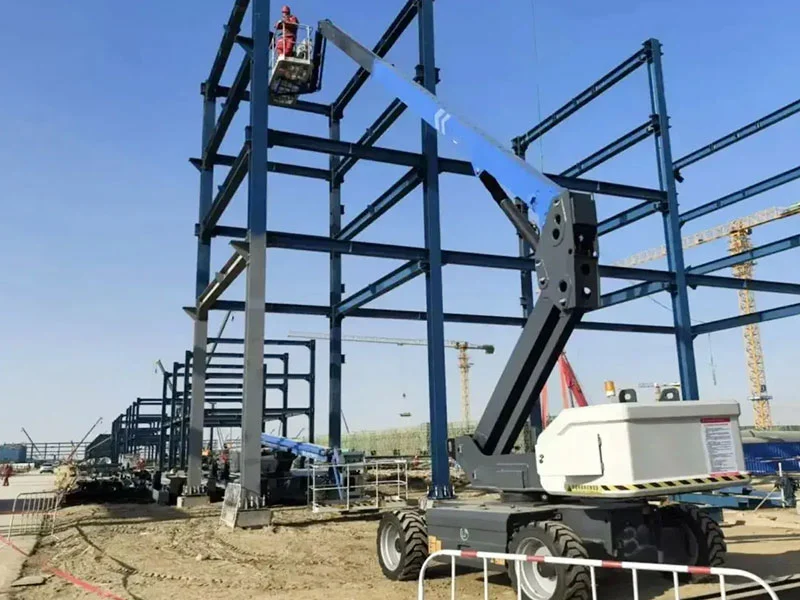
Selecting the wrong basket boom lift can lead to project delays or, worse, accidents. Consider these four factors:
Height Requirements
Measure not just the “platform height” (where your feet are) but the “working height,” which is generally 6 feet above the platform. Ensure the basket boom lift you choose has a buffer; working at the absolute maximum extension of a boom can lead to increased sway.
Weight Capacity
Every boom lift basket has a data plate indicating its maximum capacity. If you are using heavy boom lift basket attachments or lifting large sections of pipe, you may need a high-capacity model. Note that boom lift basket dimensions do not always correlate with weight capacity—some small baskets are rated for heavy loads, while larger ones are meant for “reach” rather than “weight.”
Power Source
- Electric: Ideal for indoor use. They are quiet and produce zero emissions.
- Diesel/Gas: Necessary for outdoor construction where charging ports aren’t available and high torque is needed for rough terrain.
- Hybrid: Offers the best of both worlds for projects that move between indoor and outdoor environments.
Environment
Will you be working in a tight warehouse? An articulating basket boom lift is best. Working on a muddy construction site? Look for a 4WD telescopic basket boom lift with foam-filled lug tires. If the unit will be stored outside, investing in a boom lift basket cover is a smart move to protect sensitive electronic controls from moisture and UV damage.
Maintenance and Care
A basket boom lift is a significant investment. Proper maintenance ensures longevity and, most importantly, operator safety.
Daily vs. Annual Inspections
- Daily: Before every shift, operators must check the boom lift basket for structural cracks, ensure the controls are responsive, and verify that all safety decals are legible.
- Annual: A qualified mechanic must perform a deep-dive inspection every year (or every 1,000 hours). This includes load testing the boom and inspecting the hydraulic cylinders for internal bypass.
The Importance of a Clean Workspace
Keeping the boom lift basket clear of debris is a safety essential. Scraps of wire, spilled oil, or accumulated mud can create trip hazards or interfere with the foot switch. Furthermore, excessive weight from accumulated debris can slowly eat into your safe lifting capacity.
Using a boom lift basket cover when the machine is not in use prevents rain from pooling in the basket and protects the control box. Additionally, ensure that any boom lift basket accessories are properly bolted down and not just “resting” in the corner of the platform.
Conclusion
The basket boom lift is the workhorse of the modern industrial world. Its ability to provide a safe, stable, and highly mobile platform at significant heights makes it a superior choice for a vast array of tasks. However, the power of a basket boom lift comes with the responsibility of rigorous safety adherence and meticulous maintenance.
By understanding the differences between articulating and telescopic models, respecting the boom lift basket dimensions and weight limits, and outfitting your machine with the right boom lift basket accessories, you can ensure your project reaches its goals safely and efficiently.
Whether you are looking to rent or buy, always prioritize quality and training. A well-maintained basket boom lift is more than just a tool—it is the foundation of a safe and productive job site.
FAQs
What are the standard boom lift basket dimensions?
While they vary by manufacturer, standard boom lift basket dimensions for a two-person lift are typically around 36 inches wide by 72 to 96 inches long. Smaller, single-man “compact” baskets may be as small as 30 by 30 inches.
Can I add my own boom lift basket attachments?
You should only use boom lift basket attachments that are approved by the original equipment manufacturer (OEM). Unapproved attachments can shift the center of gravity or add “side force” that the boom was not designed to handle, leading to a risk of collapse or tipping.
Why do I need a boom lift basket cover?
A boom lift basket cover is vital for protecting the upper control station. Rain, snow, and even bird droppings can damage the joysticks and buttons, leading to electrical shorts or “sticky” controls that could cause the basket boom lift to move unexpectedly.
What is the difference between a boom lift basket and a scissor lift platform?
The primary difference is the range of motion. A scissor lift platform only moves straight up and down. A boom lift basket is attached to a crane-like arm that can reach out horizontally and navigate over obstacles.
How often should I check the boom lift basket for damage?
You should inspect the boom lift basket every single day before use. Look for bent guardrails, cracks in welds, and ensuring the entry gate self-closes and latches properly.