Working at height is inherently risky, but the use of an aerial work platform lift is a crucial, safe alternative to traditional ladders and scaffolding for reaching elevated work areas. Yet, according to the U.S. Bureau of Labor Statistics, accidents involving these lifts remain a leading cause of workplace injuries and fatalities in industries like construction and maintenance. Falls, tip-overs, and electrocutions are tragically common.
The key to preventing these incidents lies in comprehensive aerial work platform safety—a shared responsibility that extends beyond the operator to include managers, ground crews, and even passing pedestrians. This post details 15 critical safety tips designed to protect everyone on and around the job site.
What is an Aerial Work Platform?
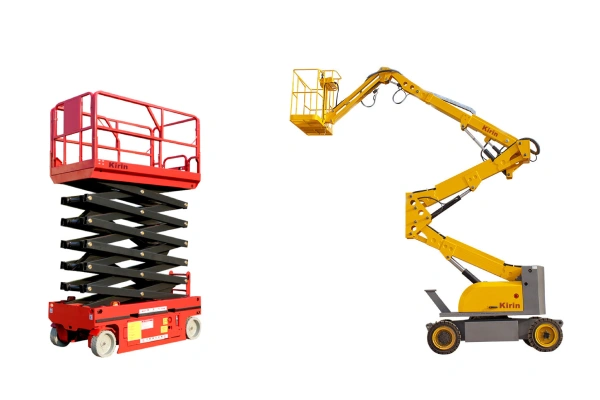
An aerial work platform (AWP), also known as a Mobile Elevating Work Platform (MEWP) or aerial lift, is a vehicle-mounted device used to elevate personnel, tools, and materials to temporary work locations. They are designed to provide a safe, stable platform for work that is difficult or impossible to perform from the ground.
Common types of aerial working platform equipment include:
- Boom Lifts: Feature an articulating (jointed) or telescopic (extensible) boom. They offer significant horizontal and vertical reach, often resembling a crane.
- Scissor Lifts: Use an ‘X’ pattern of crisscrossing supports that move vertically when power is applied, offering a larger work platform but only vertical movement.
- Vehicle-Mounted Aerial Ladders/Vertical Towers: Often seen in utility work, these are highly specialized for specific tasks like accessing power lines.

What Are Aerial Work Platform Lifts Used For?
The applications are wide-ranging, making AWP safety a universal concern in many sectors. They are used for:
- Construction: Steel erection, exterior finishing, roof work.
- Maintenance: Changing streetlights, cleaning building facades, inspecting bridges.
- Utility Work: Installing and maintaining electrical, cable, and phone lines.
- Industrial Applications: Stock picking in high-bay warehouses, machine maintenance.
- Film & Event Production: Positioning lights, cameras, and rigging high overhead.
What Are the Most Common Aerial Work Platform Lift Hazards?
Understanding the primary dangers is the first step in ensuring robust aerial work platform safety. The most frequent and dangerous hazards include:
- Falls from the Platform: Caused by overreaching, climbing on guardrails, or failure to use mandated fall protection.
- Tip-Overs/Collapses: Occur when the lift is overloaded, operated on unstable or uneven ground, or when outriggers are improperly deployed.
- Electrocution: Resulting from the platform or boom coming into contact with energized overhead power lines. This requires strict adherence to minimum safe approach distances.
- Crushing/Caught-In-Between: When the operator or occupant is pinned between the platform and an overhead object, such as a roof beam, or nearby structure.
- Ejections: Often occurring when the lift is struck by other vehicles, or when traveling with the boom elevated on a slope.
- Mechanical Failure: Due to a lack of proper maintenance or pre-operation inspections.
Section 1: 5 Critical Tips for AWP Operators
The operator bears the direct responsibility for the lift’s safe operation. Adhering to these principles is essential for robust aerial work platform safety.
1. Possess Current, Specific Aerial Work Platform Certification
Only authorized and trained personnel should ever operate an AWP. This means obtaining an official aerial work platform certification that covers the specific type of lift you’re using (e.g., boom lift vs. scissor lift). This training teaches you about electrical hazards, lift dynamics, pre-operation inspections, and emergency procedures. Never operate a lift you haven’t been certified for.
2. Conduct a Thorough Pre-Operation Inspection
Before every shift, the operator must complete a documented inspection. Check all critical components: controls (ground and platform) for proper function, hydraulic lines and hoses for leaks, tires for proper inflation and wear, and structural components (boom, platform, guardrails) for damage or cracked welds. If any defect is found, immediately tag the equipment “Out of Service” and report it to your supervisor.
3. Always Use 100% Fall Protection
For boom-style lifts, OSHA and ANSI standards require the use of a full-body harness and a lanyard attached to the manufacturer’s designated anchor point. The fall protection system must be used at all times and the lanyard must be short enough to prevent the worker from being ejected from the platform. For scissor lifts, the guardrail system often provides fall protection, but a harness may still be required if an anchor point is present, or by specific company policy.

4. Maintain a Safe Distance from Power Lines
Electrocution is one of the deadliest AWP hazards. Operators must maintain a minimum safe approach distance (MSAD) from all power lines. The standard minimum is 10 feet for lines up to 50kV. Always treat all overhead lines as energized, and factor in the full potential reach of the boom, as well as the effects of sway or sag on the wires.
5. Never Exceed the Rated Load Capacity
Overloading is a primary cause of tip-overs. Always check the capacity placard on the platform. This capacity rating includes the combined weight of the operator(s), tools, and all materials. Do not use the lift as a crane or material-lifting device, and ensure any materials are secured to prevent falling objects.
Section 2: 5 Essential Tips for Managers & Supervisors
Managers and supervisors are responsible for setting the stage for effective aerial work platform safety by ensuring regulatory compliance, proper training, and a safe work environment.
6. Provide and Document Comprehensive Operator Training
Ensure every employee who operates an AWP has received the necessary theoretical and practical training and holds a valid aerial work platform certification. This training should be specific to the equipment type and model they will use. Managers must keep detailed records of all training and retraining sessions, which are required after an accident, near-miss, or when a new type of lift is introduced.
7. Enforce Daily Pre-Operation and Site Inspections
While operators perform the daily check, it’s the manager’s role to verify that these checks are consistently performed and documented. Managers should also conduct or review a Site Hazard Assessment to identify and control hazards like uneven ground, drop-offs, overhead obstructions, and power lines before work begins. No aerial working platform should be deployed without a clear site plan.
8. Ensure All Lifts are Properly Maintained and Inspected
AWPs require routine maintenance and detailed, periodic inspections as per manufacturer specifications and regulatory requirements (like annual inspections). Managers must maintain a strict schedule for these check-ups, ensuring that only qualified mechanics or technicians perform repairs. Immediately remove any defective equipment from service and implement a strict “Tag-Out/Lock-Out” procedure until repairs are certified complete.
9. Clearly Mark the Work Zone
A crucial component of aerial work platform safety is protecting those on the ground. Managers must ensure that the work area is properly cordoned off using cones, caution tape, or barricades. This area must account for the full swing radius of the boom, the potential drop zone for tools, and any movement of the equipment. Use clear signage to warn passing workers and the public.

10. Establish and Practice Emergency Procedures
A comprehensive emergency plan is mandatory. Managers should ensure that all operators and ground crew are trained on how to use the lower controls to override the upper controls in an emergency (like an incapacitated operator) and how to safely lower the platform. A plan for rescuing a worker from height (e.g., in case of a fall arrest) should also be in place and practiced regularly.
Section 3: 5 Must-Know Tips for Pedestrians & Ground Crew
Aerial work platform safety isn’t just for the person in the basket. The ground crew and any nearby pedestrians are at high risk for struck-by and falling object incidents.
11. Never Enter a Barricaded Work Zone
Ground personnel and pedestrians must respect all barricades, cones, and warning signs around the lift. This area is designated as hazardous to prevent you from being struck by the lift’s superstructure (especially during rotation) or hit by dropped objects. If you must communicate with the operator, do so from outside the designated safety zone.
12. Be Aware of Falling Object Hazards
Tools, debris, and materials dropped from height can be lethal. Ground crew should wear all required Personal Protective Equipment (PPE), including hard hats, at all times when working near an elevated aerial work platform. Use designated safety nets or toe boards on the platform to mitigate this risk, and ensure operators are using tool lanyards.
13. Know the Emergency Stop and Lowering Controls
If you are part of the ground crew, you need to be familiar with the location and function of the lift’s emergency stop button and the ground-level override controls. In an emergency, such as an operator losing consciousness, you may be the only person who can safely lower the platform. Never operate these lower controls unless an emergency exists or you have the operator’s permission.
14. Keep Clear of the Lift’s Base and Outriggers
The area directly beneath the lift, especially the zone where the boom connects to the chassis (the ‘crush point’), must be kept clear. When the lift is deployed, outriggers or stabilizers are often extended. These pose a tripping hazard and their use indicates a high-risk operational zone. Never walk directly under the raised platform.
15. Maintain Direct Communication with the Operator
For ground crew members actively assisting the operation, clear and consistent communication with the operator is vital. Use hand signals or two-way radios, especially in loud environments. If the lift is moving horizontally, a ground guide should be used to spot for overhead hazards and surrounding traffic/pedestrians, ensuring safe aerial working platform travel.
Conclusion
Aerial work platform safety is a dynamic, collaborative process. It requires rigorous training, diligent pre-use inspections, responsible managerial oversight, and unwavering situational awareness from everyone on the job site. By committing to these 15 essential tips, operators, managers, and pedestrians can drastically reduce hazards, prevent accidents, and ensure that every worker who goes up in an aerial work platform lift returns home safely. Prioritize safety today to avoid tragedy tomorrow.
FAQs
What is the OSHA standard for aerial work platform safety?
In the United States, the primary OSHA standard is 29 CFR 1926.453 for construction. This standard mandates requirements for training, fall protection (full body harness and lanyard attached to the boom or basket anchor point), daily inspections, and maintaining safe distances from power lines. The ANSI A92 standards also provide detailed guidance for the design and safe use of MEWPs.
How often do aerial work platforms need to be inspected?
AWPs require two main types of inspections:
1. Daily Pre-Use Inspection: Performed by the operator before each shift or use to check controls, fluid levels, tires, and structural integrity.
2. Annual/Periodic Inspection: A more detailed inspection performed by a qualified mechanic or technician, often annually, as required by the manufacturer and regulatory bodies.
What is the minimum safe distance from power lines when operating an AWP?
The OSHA-mandated minimum safe approach distance (MSAD) for most energized power lines is 10 feet for voltages up to 50kV. This distance must be increased for higher voltages or in conditions that could increase the risk of electrical contact (e.g., wet conditions).
Do I need an aerial work platform certification to operate a scissor lift?
Yes. Both scissor lifts and boom lifts fall under the category of Aerial Work Platforms/MEWPs. OSHA requires that all operators be trained and authorized on the specific type of equipment they will be using. This training and subsequent demonstration of proficiency results in the required aerial work platform certification.