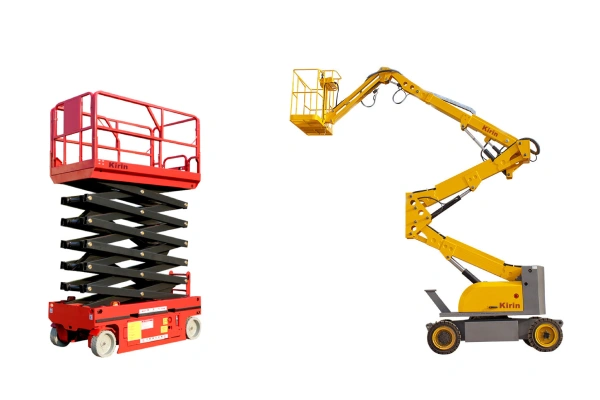
Whether you are managing a busy construction site, organizing a warehouse, or tackling a high-reaching maintenance project, safety and efficiency are your top priorities. One of the most critical questions you need to answer before operating aerial equipment is: how much weight can a scissor lift hold?
Exceeding a lift’s capacity can lead to catastrophic accidents, equipment damage, and severe safety violations. In this comprehensive guide, we will break down everything you need to know about scissor lift weight limits, how capacities vary by model, and how to calculate your load safely.
How Much Weight Can a Scissor Lift Hold?
So, how much weight can a scissor lift hold? On average, a standard scissor lift can hold anywhere from 500 to 2,500 pounds (227 to 1,134 kg).
However, there is no single “one-size-fits-all” answer. The exact weight capacity depends heavily on the lift’s size, its power source, and the specific environment it was designed to operate in. Some heavy-duty industrial models can support up to 4,000 pounds, while small, portable mini lifts might max out at 500 pounds.
What Determines a Scissor Lift’s Weight Capacity?
A scissor lift’s lifting capacity isn’t arbitrary; it is carefully engineered based on several physical and mechanical factors.
Lift Size and Platform Dimensions
Generally, larger lifts with spacious platforms have higher weight capacities. A wider, longer platform allows for a sturdier base and more robust support arms, which naturally increases how much weight can a scissor lift hold.
Hydraulic System Strength
The heavy lifting is done by hydraulic cylinders. The diameter of these cylinders, the fluid pressure within the system, and the structural integrity of the steel “scissor” legs dictate the maximum force the machine can safely exert upward.
Electric vs. Diesel Scissor Lifts
- Electric Lifts: Typically designed for indoor use, these units are quieter and more compact but generally feature lower weight capacities (usually 500 to 1,000 lbs).
- Diesel Lifts: Powered by robust internal combustion engines, diesel lifts are built for heavy-duty applications and offer much higher weight capacities.
Indoor vs. Rough Terrain Design
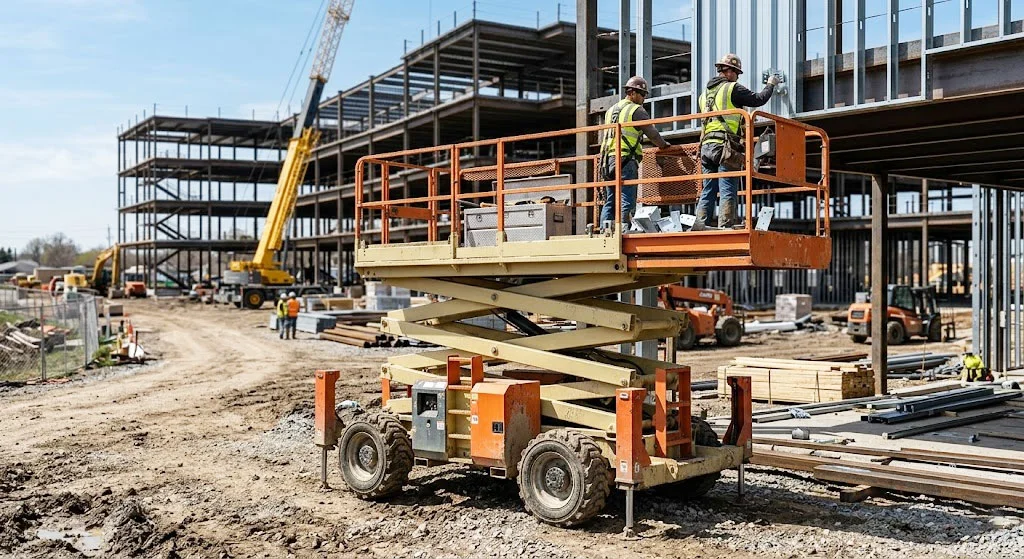
Indoor lifts (slab lifts) operate on flat, solid concrete, meaning their structural engineering focuses on compact stability. Rough terrain lifts, built for outdoor mud and gravel, feature heavy-duty chassis, stabilizers, and reinforced frames that allow them to carry significantly more weight over uneven surfaces.
Average Weight Capacities by Scissor Lift Type
To give you a clearer picture of what to expect, let’s look at the average scissor lift weight capacity across the four primary categories of lifts:
| Scissor Lift Type | Average Weight Capacity | Best Used For |
| Mini Scissor Lifts | 500 lbs | Indoor maintenance, low ceilings |
| Electric Slab Scissor Lifts | 500 – 1,200 lbs | Warehouses, electrical work, flat surfaces |
| Rough Terrain Scissor Lifts | 1,000 – 2,500+ lbs | Outdoor construction, muddy/uneven grading |
| Hydraulic Scissor Lift Tables | 1,000 – 10,000+ lbs | Material handling, manufacturing assembly |
Mini Scissor Lifts
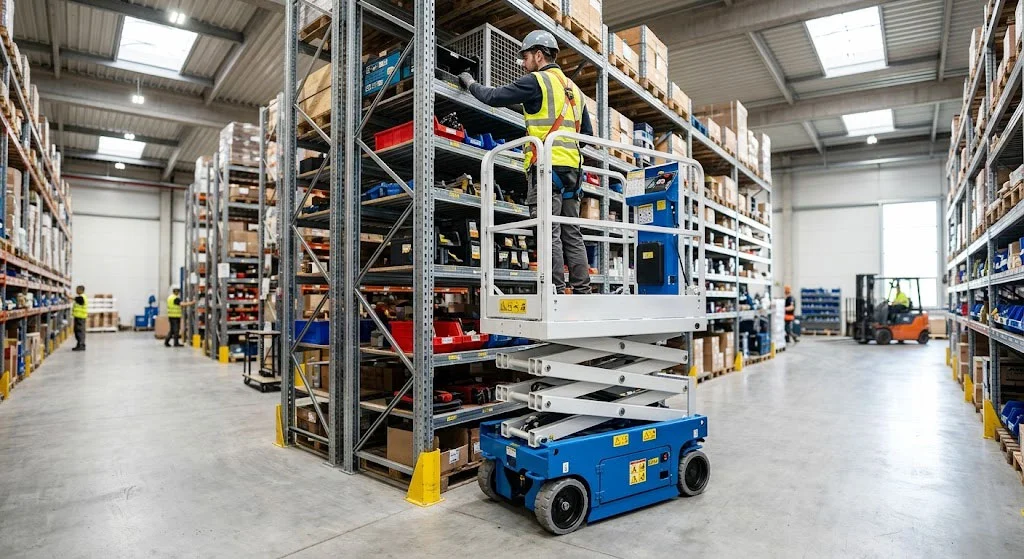
These lightweight, highly portable machines are perfect for tight indoor spaces. Because the average weight of a scissor lift in this category is quite low, their lifting capacity is usually limited to around 500 pounds—enough for one worker and a few light tools.
Electric Slab Scissor Lifts
The backbone of indoor facility maintenance, these lifts operate on smooth concrete slabs. An electric scissor lift weight capacity usually ranges between 500 and 1,200 pounds. For example, when looking at a standard 19-foot model, people often confuse machine weight with capacity; while asking how much does a 19 foot scissor lift weigh (usually around 2,700 to 3,300 lbs), its actual lifting capacity is typically right around 500 to 550 pounds.
Rough Terrain Scissor Lifts
Built for brutal outdoor conditions, these machines boast massive platforms and four-wheel drive. They offer much higher weight capacities, frequently handling 1,000 to 2,500 pounds, allowing multiple workers and heavy building materials to ascend simultaneously.
Hydraulic Scissor Lift Tables
Unlike mobile aerial work platforms, these are stationary or push-around industrial tables used to raise materials to waist height in factories. Because they don’t carry human beings high into the air, they can be engineered to hold massive loads, ranging from 1,000 to over 10,000 pounds.
Can a Scissor Lift Hold Multiple Workers?
Yes, many scissor lifts are rated for multiple workers—but only if the manufacturer explicitly states it.
Smaller electric indoor lifts are often strictly rated for a single occupant. Larger rough terrain lifts frequently have a “2-person” or “3-person” occupancy rating. Always check the data plate on the platform; exceeding the maximum occupant limit is a severe safety violation, even if you are under the total weight limit.
What Happens If You Overload a Scissor Lift?
Overloading a scissor lift is incredibly dangerous. If you exceed the rated limit, several things can happen:
- Tip-Over Accidents: The center of gravity shifts, making the lift highly susceptible to tipping over, especially if extended.
- Structural Failure: The steel scissor arms can bend, buckle, or snap under extreme stress.
- Hydraulic Failure: The system may experience a sudden loss of pressure, causing the platform to drop rapidly and unexpectedly.
- System Lockouts: Modern scissor lifts are equipped with load-sensing technology. If overloaded, the machine will sound an alarm and refuse to move upward or drive until the excess weight is removed.
How to Calculate Safe Scissor Lift Load Capacity
To figure out how much weight can a scissor lift hold on your specific job, you must calculate the total “live load” before stepping onto the platform. Use this simple four-step process:
1. Add Worker Weight
Calculate the combined weight of every person who will be stepping onto the platform. Don’t guess—account for heavy winter clothing and work boots.
2. Include Tools and Materials
Weigh everything going up with you. This includes toolbelts, drills, replacement light fixtures, wiring, drywall sheets, or pipes.
3. Check Platform Extension Ratings
Many lifts feature a slide-out deck extension to give workers more reach. Crucially, the extension deck has a lower weight capacity than the main deck. For instance, a lift rated for 1,000 lbs might only support 300 lbs on its extended section.
4. Read Manufacturer Load Charts
Every lift has a capacity data plate riveted to the platform or chassis. Read this chart carefully. It outlines exactly how the weight must be distributed and notes any reduction in capacity based on height or extensions.
Factors That Reduce Safe Weight Capacity
A lift’s rated capacity is calculated under perfect, laboratory conditions. Real-world factors can drastically reduce how much weight your lift can safely handle.
Uneven Ground Conditions
If a slab lift is parked on a slight slope or depression, its center of gravity changes. Loading it to maximum capacity on an incline greatly increases the risk of a tip-over.
Wind and Weather
High winds exert lateral (side-to-side) force on an elevated platform. If your lift is fully loaded, strong wind gusts can push the machine past its tipping point. Most outdoor lifts have a maximum wind speed rating (usually around 28 mph).
Raised Platform Height
Does platform height affect how much weight can a scissor lift hold? On standard models, the capacity remains the same from the ground to max height. However, on certain specialized high-capacity or ultra-high lifts, the manufacturer may mandate a reduced capacity once you surpass a certain height threshold.
Poor Maintenance
Leaking hydraulic fluid, worn pins in the scissor arms, or low tire pressure can drastically compromise the mechanical integrity of the machine, lowering its safe working load without your knowledge.
OSHA Rules for Scissor Lift Weight Limits
The Occupational Safety and Health Administration (OSHA) takes aerial lift safety incredibly seriously. Under OSHA standard 1926.451, employers must ensure that:
- Lifts are never loaded beyond their manufacturer-rated capacity.
- The average weight of scissor lift loads must be evenly distributed.
- Operators are fully trained to recognize load limitations and calculate total platform weight.
Failure to adhere to these guidelines can result in thousands of dollars in fines, or worse, preventable workplace injuries.
Tips for Safely Loading a Scissor Lift
To ensure your crew stays safe while maximizing the utility of your machine, follow these golden rules of loading:
Distribute Weight Evenly
Avoid stacking all heavy materials or clustering all workers on one side of the platform. Keep the center of mass dead-center over the scissor legs.
Never Exceed Rated Capacity
Treat the manufacturer’s weight limit as a hard, unbreakable ceiling. If your calculations come within 50 pounds of the limit, it’s time to make two trips or rent a larger machine.
Inspect the Platform Before Use
Before your shift, ensure the platform is free of debris, mud, or grease that could cause slips, and confirm that the gate latches securely.
Use the Right Lift for the Job
Don’t force an indoor electric lift to do the work of a rough terrain model. If you are moving heavy masonry outdoors, rent a heavy-duty diesel lift.
Train Operators Properly
Ensure every worker knows how to locate the capacity plate, understand the difference between main deck and extension deck limits, and respond to overload warning alarms.
Choosing the Right Scissor Lift Capacity for Your Project
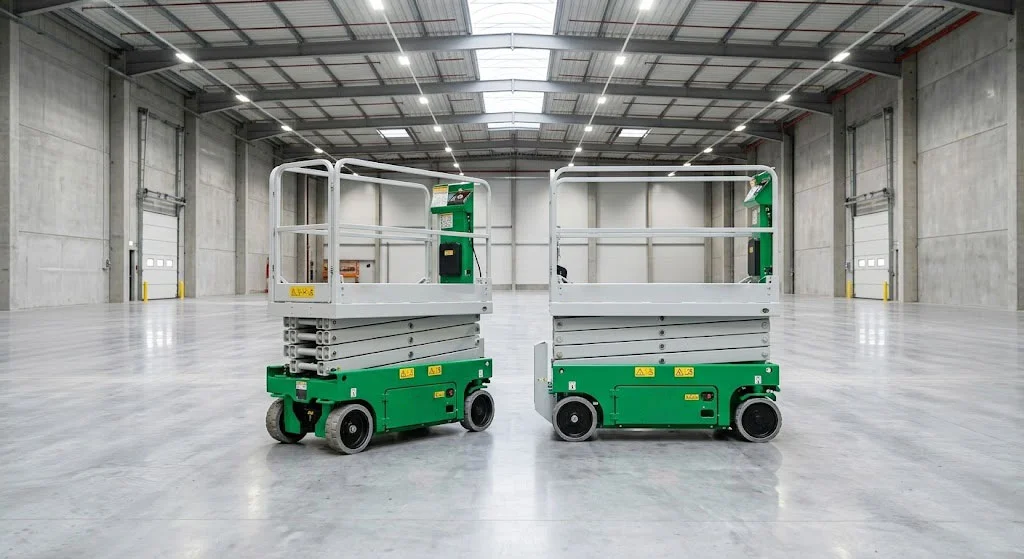
When renting or buying, always work backward from your project requirements.
- Determine the maximum number of people needed aloft at one time.
- Estimate the heaviest single object you will need to lift.
- Add those together, throw in a 20% safety buffer, and use that total to pick your lift.
Remember, knowing the average weight of a scissor lift unit itself is helpful for transport and towing considerations, but knowing how much weight can a scissor lift hold on its platform is what keeps your workers safe in the air.
Frequently Asked Questions About Scissor Lift Weight Capacity
What is the average weight limit of a scissor lift?
The average scissor lift weight limit ranges from 500 to 1,000 pounds for indoor electric models, and 1,000 to 2,500 pounds for rugged outdoor diesel models.
Can a scissor lift hold pallets of materials?
Large rough terrain scissor lifts can often hold a pallet of materials if the total weight is well within the lift’s rated capacity (e.g., a 2,000-lb capacity lift carrying a 1,200-lb pallet). However, the pallet must be perfectly centered, secured, and must not interfere with the safe movement of the operators.
How many people can safely stand on a scissor lift?
This depends entirely on the manufacturer’s occupancy rating. Most compact indoor lifts are rated for 1 to 2 people, while large outdoor models can safely hold 3 to 4 people, provided their combined weight doesn’t exceed the total capacity.
Does platform height affect lifting capacity?
For the vast majority of modern scissor lifts, the weight capacity remains constant whether the platform is raised 5 feet or 40 feet. Always check your specific manual to confirm.
What happens if a scissor lift is overloaded?
If overloaded, modern lifts will sound a warning alarm and lock out all lifting functions. On older models without sensors, overloading can cause the machine to tip over, structural components to bend, or the hydraulics to fail completely.
Conclusion
Understanding how much weight can a scissor lift hold isn’t just about protecting the machinery—it’s about protecting lives. By knowing the factors that govern weight capacity, accurately calculating your daily load, and respecting manufacturer and OSHA limits, you can ensure a safe, productive, and accident-free job site. Never guess when it comes to weight capacity; when in doubt, check the data plate!
If you are unsure which capacity is right for your next project, or if you need expert advice on selecting a reliable, high-quality lift, the team at Kirin Lift is here to help. Reach out to us today with your specifications, and we will pair you with the perfect equipment.
- Email: info@klingtec.com
- WhatsApp: +86 188 6686 3188