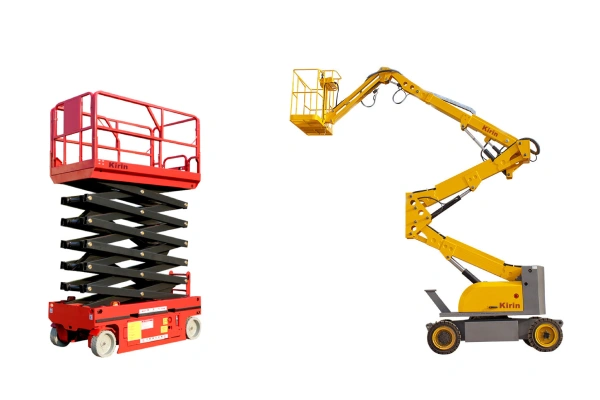
For businesses and contractors relying on aerial work platforms, understanding the power source behind their equipment is critical to maintaining productivity. If you are operating an electric model, the scissor lift battery is the literal heartbeat of your machine. It dictates how high you can lift, how long you can work, and how much weight you can safely carry.
In this comprehensive guide, we will dive deep into the technical specifications of scissor lift battery systems, exploring typical capacities, factors that influence performance, and how to choose the right setup for your specific industrial needs.
What Is a Scissor Lift Battery?
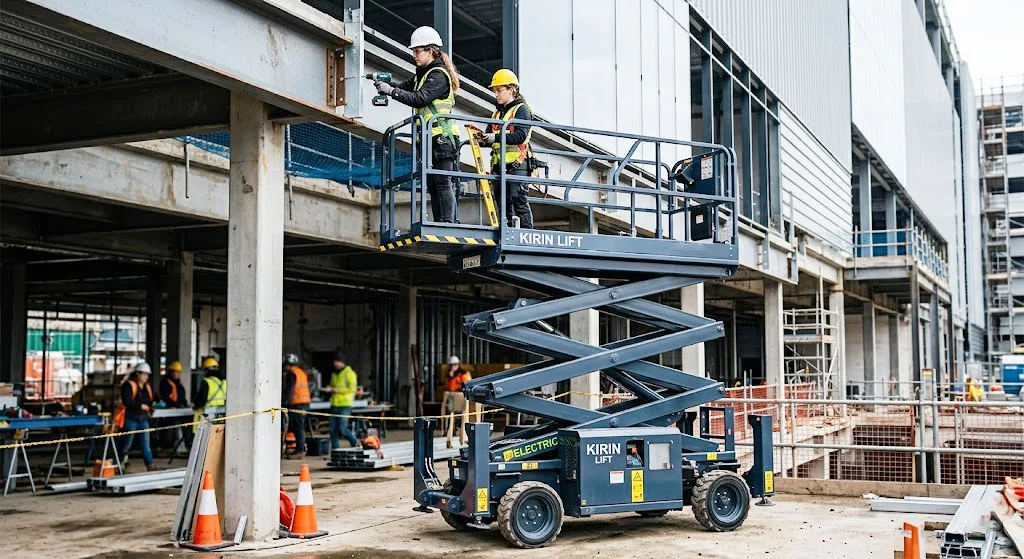
A scissor lift battery is a deep-cycle battery designed to provide steady power over a long duration. Unlike a car battery, which provides a high burst of energy to start an engine (cranking amps), a battery for scissor lift applications is built to be discharged and recharged hundreds or even thousands of times.
The Role in Electric Scissor Lifts
In electric models, the battery pack performs two primary functions:
- Propulsion: Powering the drive motors that move the lift across the job site.
- Hydraulics: Powering the electric motor that drives the hydraulic pump, which in turn extends the scissor mechanism to raise the platform.
Electric vs. Engine-Powered Lifts
While internal combustion (IC) lifts use diesel or propane engines for heavy-duty outdoor terrain, electric lifts are the standard for indoor environments, warehouses, and finished construction sites. They offer zero-emission operation and much lower noise levels. Because they lack an alternator to generate power during use, the capacity of the scissor lift battery determines the total “uptime” available before the machine must be plugged into a wall outlet.
Common Battery Types Used
- Lead-Acid Batteries: The traditional choice. They are cost-effective but require regular maintenance, such as “watering” the cells with distilled water.
- AGM (Absorbent Glass Mat) Batteries: A type of lead-acid battery that is sealed and maintenance-free. They are more vibration-resistant and don’t leak acid.
- Lithium-ion Batteries: The modern gold standard. While the initial scissor lift battery price is higher for lithium, they offer faster charging, longer lifespans, and zero maintenance.
Understanding Scissor Lift Battery Capacity
When we talk about the “capacity” of a scissor lift battery, we are usually referring to two distinct metrics: Voltage (V) and Amp-Hours (Ah).
- Voltage: This represents the “pressure” of the electricity. Most industrial lifts operate on 24V or 48V systems.
- Amp-Hours (Ah): This measures the total energy storage. A 200Ah rating theoretically means the battery can deliver 20 amps of current for 10 hours.
Capacity is the most vital spec for a buyer. If the capacity is too low for the task, the machine will die mid-shift, leading to expensive downtime. If the capacity is unnecessarily high, you are carrying extra weight and paying a higher scissor lift battery replacement cost without a clear ROI.
Typical Scissor Lift Battery Capacities
The capacity required depends entirely on the size of the lift and its intended duty cycle. Most manufacturers, including Kirin, utilize modular configurations to reach the necessary voltage.
Common Configurations
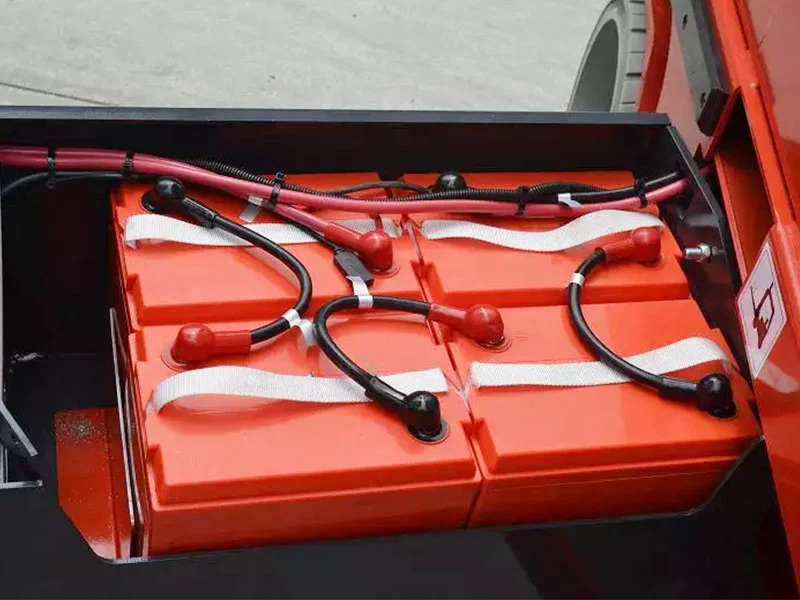
- 24V Systems: Usually found in small to mid-sized indoor lifts. This is typically achieved by connecting four 6 volt battery for scissor lift units in a series.
- 48V Systems: Found in large, heavy-duty, or rough-terrain electric lifts. These usually consist of eight 6V scissor lift battery units or four 12V units.
Typical Amp-Hour Ranges
Most standard electric scissor lifts operate within a range of 200Ah to 400Ah.
- 6 volt deep cycle battery for scissor lift units often come in ratings like 225Ah, 250Ah, or 375Ah. By linking these in series, the voltage increases while the Ah remains the same.
Examples Based on Lift Size
- Small Indoor Lifts (13ft – 19ft): Often use a 24V system with 200Ah–225Ah capacity. These are designed for light maneuvering on flat concrete.
- Mid-Size Lifts (26ft – 32ft): Typically require 225Ah–300Ah to handle the extra weight of the larger steel structure.
- Heavy-Duty Outdoor Lifts: These may utilize high-capacity 48V systems with 350Ah+ to combat the resistance of uneven terrain and heavier platform loads.
Factors That Affect Battery Capacity and Performance
A scissor lift battery doesn’t always perform exactly as the label suggests. Several “real-world” variables can drain the capacity faster than expected.
1. Load Weight and Platform Usage
The heavier the load on the platform, the more energy the hydraulic pump requires to reach maximum height. Frequent lifting of maximum rated capacities will deplete a battery scissor lift significantly faster than moving light tools.
2. Frequency of Operation
A lift that stays in one place all day only using the “up/down” function will last longer than a lift that is constantly “driving” across a large warehouse floor. Driving (propulsion) is generally more energy-intensive than lifting.
3. Terrain (Indoor vs. Outdoor)
Driving on a smooth, leveled warehouse floor requires minimal torque. Driving over gravel, inclines, or debris-strewn construction sites forces the motors to draw more current, eating into the scissor lift battery reserves.
4. Temperature and Environmental Conditions
Batteries are chemical engines. In extreme cold, the chemical reaction slows down, effectively reducing the available capacity by up to 30% or 50%. Conversely, extreme heat can lead to “boil-over” in lead-acid types and permanent cell damage.
5. Battery Age and Maintenance Practices
As a scissor lift battery ages, its internal resistance increases, and its ability to hold a charge diminishes. A three-year-old battery might only provide 70% of its original factory-rated capacity.
How Long Does a Scissor Lift Battery Last Per Charge?
On average, a healthy scissor lift battery pack should last for a full 6 to 8-hour shift of “intermittent” use.
It is important to define “intermittent.” If a worker drives the lift to a spot, spends two hours painting or installing a pipe, and then moves to the next spot, the battery will easily last the whole day. However, in high-intensity applications—like a logistics center where the lift is moving and elevating every few minutes—the battery may require a “top-off” charge during a lunch break to finish the shift.
How to Choose the Right Scissor Lift Battery Capacity
When looking for a scissor lift battery replacement, don’t simply buy the cheapest option. Consider these three factors:
- Match the Voltage: You cannot put a 12V battery into a slot designed for a 6V scissor lift battery unless you are reconfiguring the entire wiring harness. Always stick to the manufacturer’s voltage requirements.
- Compare the Ah Rating: If your current lift dies too early in the day, look for a battery with a higher Amp-Hour (Ah) rating that fits within the physical dimensions of the battery tray.
- Calculate the ROI of Lithium: If your facility runs multiple shifts, a lithium battery for scissor lift might be better. They allow for “opportunity charging” (charging during short breaks) without damaging the battery, which is a major limitation of lead-acid types.
Tips to Maximize Scissor Lift Battery Life
To avoid a premature scissor lift battery replacement cost, follow these rigorous maintenance protocols:
Proper Charging Practices
- Complete the Cycle: Lead-acid batteries prefer to be charged to 100% once the cycle begins. Avoid “short-cycling” where you plug it in for only 10 minutes.
- Cool Down: Let the batteries cool after a heavy shift before plugging them into the charger.
Avoiding Deep Discharge
Never let your scissor lift battery drop below 20% charge. “Deep discharging” causes lead-sulfate crystals to harden on the plates (sulfation), which permanently kills the battery’s capacity.
Regular Maintenance
- Watering: For flooded lead-acid batteries, check the water levels weekly. Use only distilled water and fill only after the battery is fully charged.
- Cleaning Terminals: Battery acid can “creep,” causing corrosion (white powder) on terminals. This creates resistance. Clean them with a mixture of baking soda and water to ensure a solid connection.
Storage Best Practices
If you aren’t using your scissor lift for the winter, do not leave the batteries dead. Store them fully charged in a cool, dry place. A scissor lift battery will naturally self-discharge over time; check and recharge them every 30 days during storage.
When Should You Replace a Scissor Lift Battery?
Even with perfect care, every battery scissor lift component eventually reaches the end of its life. Look for these signs:
- Slow Lift Speeds: The platform takes significantly longer to reach full height.
- Frequent Charging: You find yourself needing to plug in the lift before the morning break.
- Physical Deformation: Bulging cases or leaking acid are immediate red flags.
- Sulfation: If you see heavy crystal buildup on the internal plates (visible through the water caps), the battery capacity is likely compromised.
FAQs About Scissor Lift Batteries
What is the standard voltage of a scissor lift battery?
Most small to mid-sized electric scissor lifts use a 24-volt system, typically comprised of four 6 volt deep cycle battery for scissor lift units connected in series. Larger models often move up to 48 volts.
Can you upgrade to a higher-capacity battery?
Yes, as long as the physical dimensions fit the battery compartment and the voltage remains the same. Increasing the Amp-Hours (Ah) will give you longer run times but may increase the weight of the machine slightly.
How much does a scissor lift battery cost?
The scissor lift battery price varies wildly based on technology. A single 6V scissor lift battery (lead-acid) might cost between $150 and $300. A full set for a 24V system could range from $600 to $1,200. Lithium-ion replacements can cost three to five times that amount.
Are lithium batteries worth it?
For high-use environments, yes. They last 5-10 years compared to the 2-3 years of lead-acid, require zero watering, and charge much faster. The total cost of ownership is often lower over the life of the machine.
Conclusion
The scissor lift battery is the most critical maintenance item for any electric aerial platform. By understanding that capacity is a mix of voltage and amp-hours, and by committing to a disciplined maintenance schedule, you can ensure your equipment stays in the air and off the charger.
Whether you are looking for a 6 volt battery for scissor lift replacement or considering an upgrade to high-capacity lithium, choosing the right power source is an investment in your project’s efficiency.
For high-quality electric lifting solutions and technical support regarding your equipment’s power systems, contact the experts at Kirin Lift. We provide durable, industrial-grade machinery designed to meet the most rigorous job site demands.
Contact Us:
Email: info@klingtec.com
Website: www.kirinlift.com