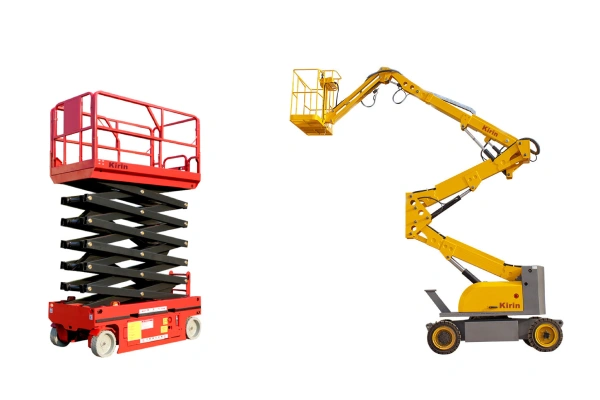
The safe operation of aerial work platforms does not end when the job is done. In fact, some of the most significant risks to equipment longevity and worksite safety occur after the operator steps out of the basket. Boom lift parking safety is a critical component of any comprehensive safety management program, ensuring that these massive machines remain stable, secure, and ready for the next shift. Whether you are managing a bustling construction site or a quiet warehouse, understanding the nuances of how to properly decommission a lift for the day is vital.
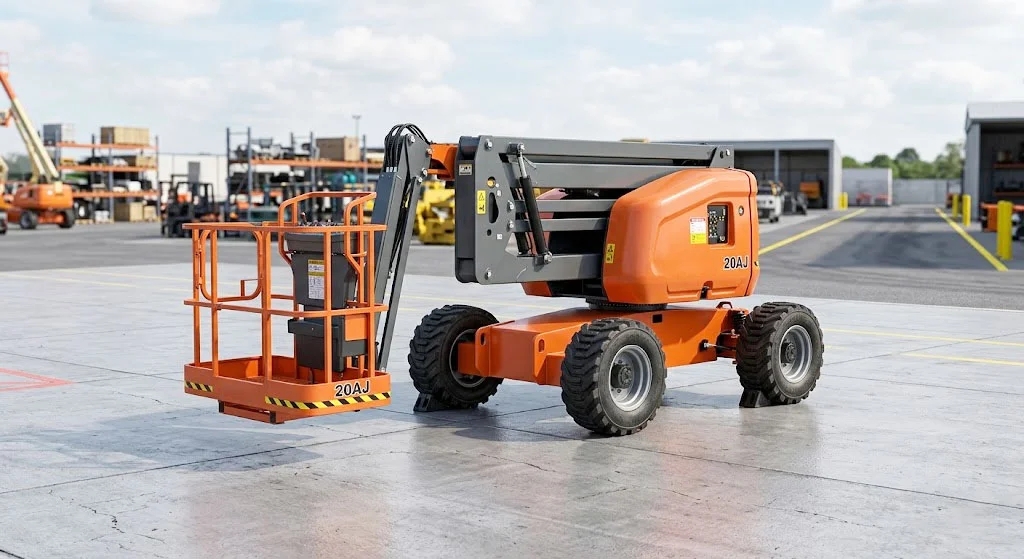
Why Boom Lift Parking Safety Matters
Neglecting boom lift parking safety can lead to catastrophic consequences that extend far beyond a simple mechanical failure. Because boom lifts are designed with a high center of gravity to reach incredible heights, their stability is precarious if not managed correctly.
Risks of Improper Parking
When an operator ignores boom lift parking safety protocols, several dangerous scenarios can unfold:
- Tip-overs: Parking on an incline or unstable soil without securing the boom can cause the machine to lose its center of balance, leading to a tip-over that endangers nearby structures and personnel.
- Collisions: A poorly parked lift can be a blind-spot hazard for other heavy machinery, such as forklifts or trucks, leading to expensive collisions.
- Unauthorized Use: Failing to secure the controls or remove the key invites untrained individuals to tamper with the machine, which often results in severe accidents or equipment theft.
Impact on Workers, Job Sites, and Equipment
The ripple effect of a parking accident is significant. For workers, an unsecured lift represents a constant overhead threat. For the job site, a tipped lift can lead to massive downtime, OSHA investigations, and increased insurance premiums. From an equipment standpoint, improper storage leads to hydraulic leaks, tire flat-spotting, and electrical system degradation. Prioritizing boom lift parking safety is ultimately an investment in your company’s bottom line and the well-being of your crew.
Key Factors to Consider Before Parking a Boom Lift
Before you even begin the shutdown sequence, you must evaluate the environment. Boom lift parking safety starts with situational awareness.
Ground Conditions
Never park a boom lift on soft soil, mud, or uncompacted fill. The weight of the machine can cause the wheels to sink unevenly over time, creating a tilt that might not be immediately obvious but could lead to a tip-over. Always look for level, paved, or concrete surfaces. If you must park on dirt, ensure it is hard-packed and use outrigger pads if the model is equipped with them.
Surrounding Environment
Take a 360-degree look around your intended parking spot. Are you near high-voltage power lines? Is there a risk of falling debris from overhead work? Boom lift parking safety dictates that you should stay clear of active traffic lanes and areas where heavy materials are being moved by cranes.
Weather Conditions
Weather is a silent factor in boom lift parking safety. High winds can exert significant force on an extended boom, even if the platform is empty. Additionally, heavy rain can turn stable ground into a muddy hazard overnight, and freezing temperatures can cause stabilizers to stick to the ground. If a storm is forecasted, extra precautions must be taken to secure the unit in a sheltered area.
Step-by-Step Guide to Safe Boom Lift Parking
To maintain a high standard of boom lift parking safety, every operator should follow a standardized shutdown procedure. Consistency is the enemy of accidents.
1. Lower the Platform Completely
The first rule of boom lift parking safety is to bring the platform back to the stowed position. The boom should be fully retracted and lowered onto its rest. This lowers the center of gravity to the safest possible point and protects the hydraulic cylinders from exposure to the elements.
2. Turn Off and Secure the Equipment
Once the machine is stowed, turn off the engine or power source. Boom lift parking safety requires the removal of the ignition key. This prevents unauthorized personnel from operating the machine and ensures the battery doesn’t drain due to lights or sensors being left on.
3. Engage Brakes and Stabilizers
Even on seemingly level ground, always engage the parking brake. If the lift features outriggers or stabilizers, they should be deployed according to the manufacturer’s instructions for long-term parking to take the pressure off the tires and provide a wider base of support.
4. Choose a Designated Parking Area
Ideally, your site should have a marked zone for aerial lifts. This area should be away from the main workflow, well-lit, and clearly visible. Proper boom lift parking safety means the machine is out of the way of other vehicles but remains accessible for daily inspections.
Boom Lift Parking Safety Best Practices
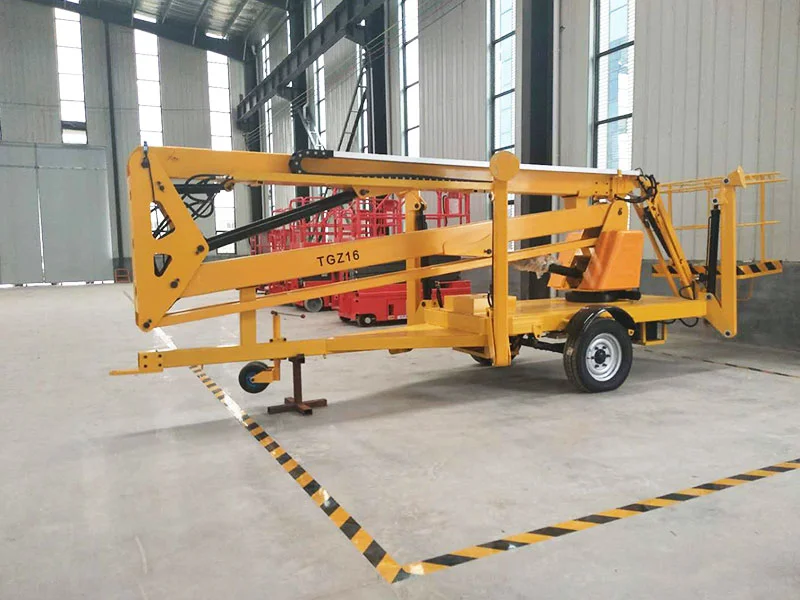
Moving beyond the basics, these best practices help cultivate a culture of safety.
- Follow Manufacturer Guidelines: Every lift is different. Some specialized models may have unique requirements for hydraulic positioning. Always keep the operator’s manual in the weather-resistant compartment on the lift.
- Maintain Clear Signage: Use “No Parking” or “Equipment Storage Area” signs to keep the space around the lift clear.
- Use Barriers or Cones: If you must park in a shared space, place high-visibility cones around the perimeter of the lift. This provides a “buffer zone” that prevents other equipment from getting too close.
- Stay Away from Edges: Never park a lift near an unprotected edge, trench, or loading dock. A small shift in the ground could result in the machine rolling off the ledge.
- Keep Emergency Routes Clear: Ensure your parking choice does not block fire hydrants, emergency exits, or first aid stations.
Common Boom Lift Parking Mistakes to Avoid
Understanding what not to do is just as important for boom lift parking safety as knowing the rules.
- Parking on Slopes: This is perhaps the most dangerous mistake. Gravitational forces are constantly working against the brakes and stabilizers.
- Leaving the Boom Elevated: Why do some people do this? Usually, it’s out of laziness for the next day’s work. However, an elevated boom is a lightning rod and a wind sail, making it a major risk.
- Failing to Secure Controls: Leaving the control box cover open or the emergency stop disengaged can lead to moisture damage or accidental activation.
- Ignoring Nearby Hazards: Parking under a leaky pipe or near a chemical storage area can lead to corrosion of the lift’s structural components.
Maintenance Considerations When Parking
Boom lift parking safety and maintenance go hand-in-hand. The parking phase is the best time to check the health of your machine.
Inspecting Before and After Use
A quick walk-around during the parking process can catch a hydraulic leak or a cracked weld before it becomes a failure the following morning. Check the tires for debris or damage that might have occurred during the shift.
Charging and Refueling
For electric lifts, boom lift parking safety involves ensuring the charging cables are neatly routed and not a tripping hazard. For diesel or gas lifts, refueling should be done in a well-ventilated area away from the parking spot to prevent fire hazards from fumes.
Long-Term Storage
If the lift will be parked for more than a few days, consider “why are boom lifts stored extended” or “why are boom lifts stored up” scenarios. Generally, they should be stowed. However, for long-term storage in very cold climates, some manufacturers suggest specific hydraulic positions to prevent seal freezing—always check your specific manual.
Boom Lift Parking Safety Checklist
Use this quick reference guide to ensure you’ve covered all aspects of boom lift parking safety before leaving the site:
- Platform Fully Lowered: Is the basket in the stowed position?
- Engine Off & Keys Removed: Is the unit secured against unauthorized use?
- Brakes Engaged: Is the parking brake firmly set?
- Parked on Level Ground: Is the surface solid and flat?
- Area Secured: Are cones or barriers in place if needed?
- Controls Covered: Is the upper control box protected from rain or dust?
- Power Off: Is the master disconnect switch turned to the ‘off’ position?
FAQs
Why are boom lifts stored up or extended sometimes?
While the standard for boom lift parking safety is to stow the boom, you might see “why store boom lifts with boom extended” asked in the context of maintenance. Some technicians extend the boom to inspect the wear pads or to apply grease to the inner sections. However, this should only be done in a controlled maintenance environment, never as a standard parking procedure on a job site.
How to store a boom lift for the winter?
Winter storage requires protecting the batteries from freezing and ensuring the hydraulic fluid is at the correct level. If stored outside, use a high-quality cover for the platform controls.
Can I park a boom lift on a trailer overnight?
If the trailer is properly rated and hitched to a vehicle with the wheels chocked, it can be done. However, boom lift parking safety usually recommends parking on solid ground whenever possible to avoid unnecessary strain on the trailer’s suspension.
Conclusion
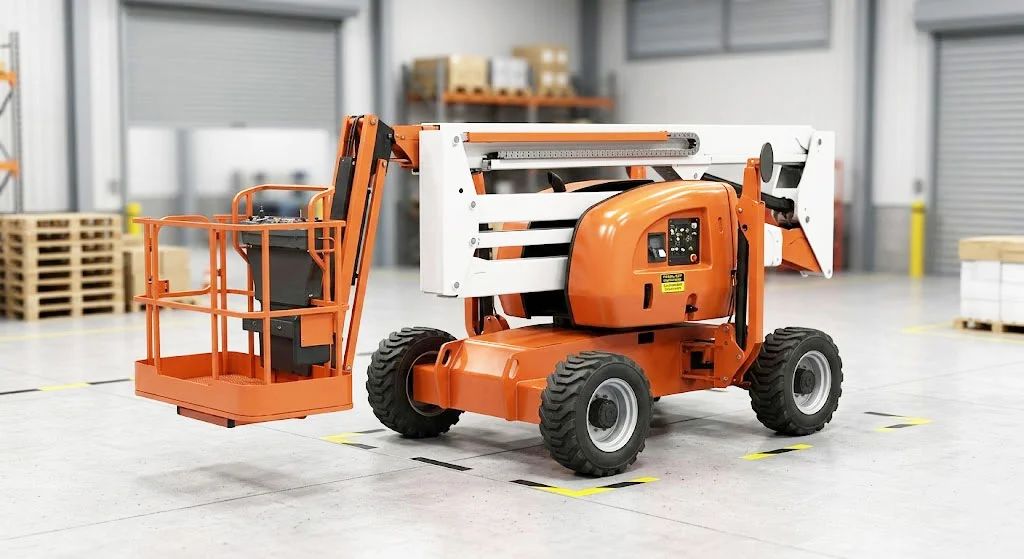
Mastering boom lift parking safety is a mark of a professional operator. It shows respect for the equipment, the safety of your colleagues, and the efficiency of the project. By following the step-by-step guides and avoiding common pitfalls mentioned above, you can significantly reduce the risk of accidents and ensure your boom lift serves you reliably for years to come.
Remember, safety doesn’t clock out when you do. A well-parked machine is the first step toward a successful start the next morning.
Contact Us
At Kirin Lift, we are dedicated to providing not just high-quality lifting equipment, but also the knowledge you need to operate it safely and effectively. Whether you are looking for new equipment or need technical advice on boom lift parking safety, our team is here to help.
Reach out to us today:
Email: info@klingtec.com
WhatsApp: +86 188 6686 3188