Investing in high-quality machinery is only half the battle; the real victory lies in how well you preserve that investment. When it comes to aerial working platforms, maintenance isn’t just a suggestion—it’s a life-saving necessity and a financial strategy. Whether you are a fleet manager or an individual contractor, understanding the nuances of upkeeping these machines ensures they remain reliable assets for years to come.
In this comprehensive guide, we will explore everything you need to know about maintaining aerial working platforms to maximize their lifespan, ensure safety, and optimize performance.
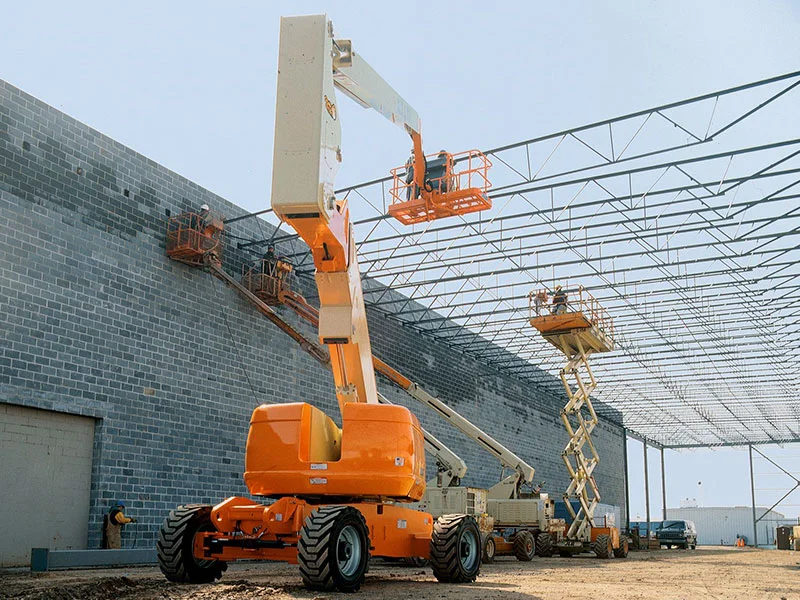
In the world of construction, warehousing, and facility management, aerial working platforms are the backbone of high-reach tasks. However, because these machines operate at significant heights, the margin for error is zero. A minor mechanical failure that might be a nuisance on a floor-level pallet jack can become a catastrophic event when a worker is thirty feet in the air.
Consistent maintenance of aerial working platforms is the most effective way to mitigate risk. Beyond safety, a well-maintained machine operates more smoothly, consumes less energy (or fuel), and retains a higher resale value. By following a structured maintenance program, you can transform your aerial working platforms from high-maintenance liabilities into high-performance assets.
What Are Aerial Working Platforms?
Definition and Basic Function
Aerial working platforms (AWPs), also known as elevating work platforms (EWPs), are mechanical devices used to provide temporary access for people or equipment to inaccessible areas, usually at height. They are designed to be more mobile and flexible than scaffolding and safer than ladders.
Common Types
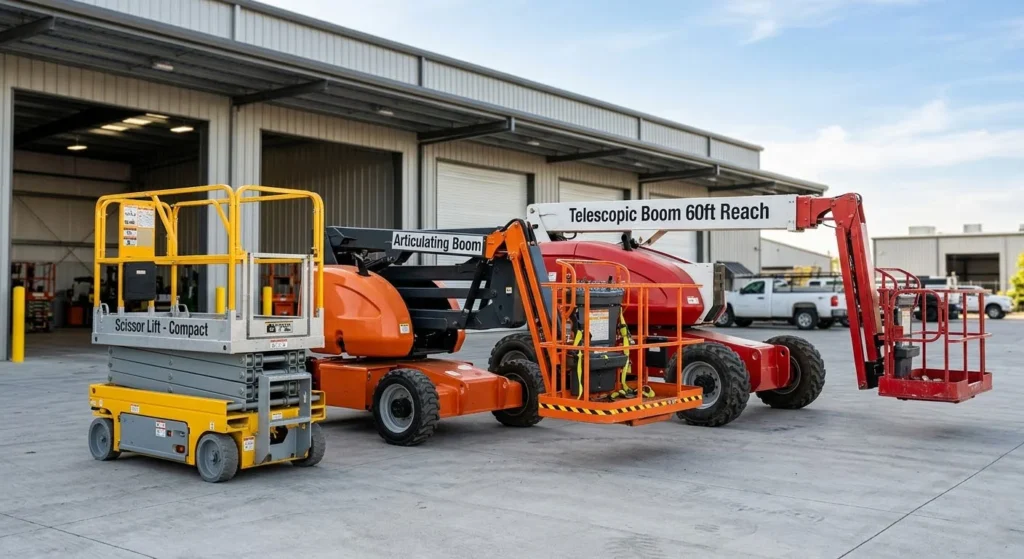
Different tasks require different types of aerial working platforms. Understanding your specific model is the first step in proper maintenance:
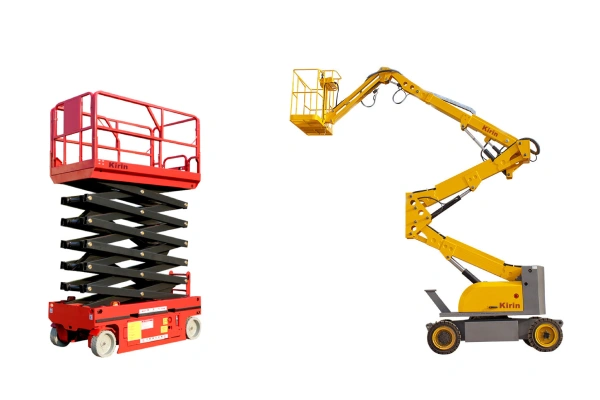
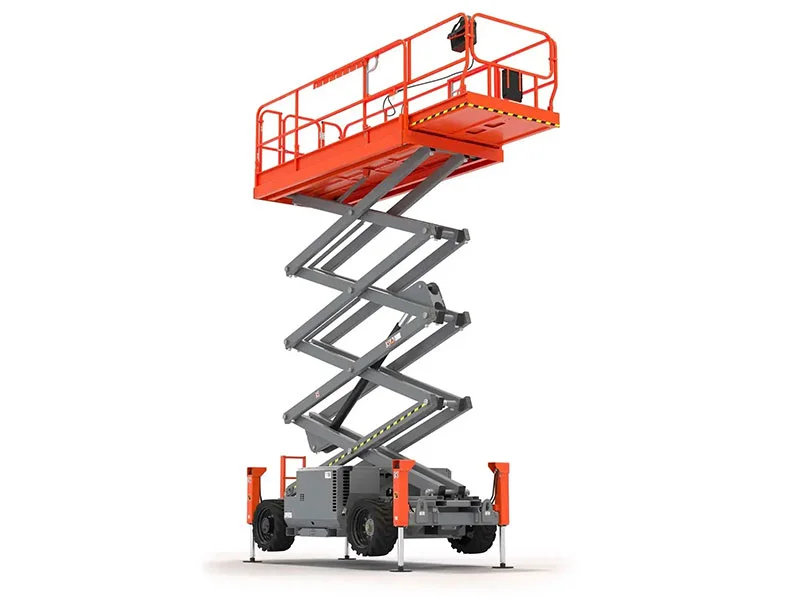
- Scissor Lifts: These move strictly vertically. They use a linked, folding support system that expands in a crisscross “X” pattern. They offer large platform areas and high weight capacities.
- Boom Lifts: These are highly versatile. Articulating booms have multiple sections that “fold,” allowing the operator to reach over obstacles. Telescopic booms extend straight out like a telescope, offering maximum horizontal reach.
- Vertical Lift Masts: These are compact aerial working platforms designed for tight indoor spaces, often used in retail or warehouse maintenance.
Typical Industries
You will find aerial working platforms in almost every sector, including:
- Construction and demolition.
- Tree trimming and landscaping.
- Electrical and HVAC repair.
- Warehouse inventory management.
- Film production and stadium lighting.
Why Maintenance of Aerial Working Platforms Is Crucial
Maintenance is often viewed as a “cost center,” but in reality, it is a “profit protector.” Here is why you cannot afford to skip it:
Ensures Operator Safety
The primary reason to maintain aerial working platforms is to protect the person in the basket. Mechanical failures in the lifting mechanism or the outriggers can lead to falls or tip-overs.
Reduces Downtime and Costly Repairs
A $50 seal replacement today can prevent a $5,000 hydraulic pump failure next month. Regular checks catch small issues before they snowball into project-stopping breakdowns.
Extends Equipment Lifespan
Aerial working platforms are significant capital investments. With proper care, a high-quality machine from reputable aerial work platforms manufacturers can last 10 to 15 years or more. Without it, you might be looking at a replacement in five.
Maintains Compliance
OSHA (in the US) and similar global regulatory bodies mandate regular inspections. Failing to maintain aerial working platforms can result in heavy fines and legal liability in the event of an accident.
Improves Efficiency
A well-lubricated, fully charged, or properly fueled machine works faster. Sluggish controls or jerky movements slow down the job and frustrate operators.
Daily Inspection Checklist for Aerial Working Platforms
Maintenance starts every morning before the machine is even turned on. Operators should perform a “walk-around” inspection of their aerial working platforms.
The Pre-Start Checklist:
- Check Fluid Levels: Inspect engine oil, coolant, and hydraulic fluid.
- Look for Leaks: Check the ground beneath the machine for puddles.
- Wheel and Tire Condition: Look for lugs, cracks, or embedded debris. Ensure pneumatic tires are at the correct PSI.
- Battery/Fuel: Ensure the battery is charged or the tank is full.
- Component Damage: Look for weld cracks, dents, or bent structural members.
- Safety Decals: Ensure all warning signs and capacity charts are legible.
- Test Controls: Check both the ground controls and the platform controls to ensure all functions (lift, tilt, drive) work as intended.
- Emergency Stops: Verify that all E-stop buttons immediately kill power.
Routine Maintenance Tasks
A disciplined schedule is the secret to long-term reliability. Aerial working platforms require tiered levels of attention.
Weekly Maintenance
- Cleaning: Use a pressure washer or damp cloth to remove mud, grit, and corrosive chemicals. Focus on the “tracks” of the scissor arms or the boom extension.
- Lubrication: Apply grease to the main pivot points. Friction is the enemy of aerial working platforms.
- Battery Care: If using electric aerial working platforms, check the distilled water levels in lead-acid batteries and clean any corrosion off the terminals.
Monthly Maintenance
- Hydraulic System: Check hoses for “weeping” (small leaks) and ensure the filter is clean.
- Structural Integrity: Inspect the platform floor and guardrails for any signs of loosening or fatigue.
- Emergency Lowering System: Test the manual descent valve to ensure that if power fails, an operator can be brought down safely.
Annual Maintenance
This is a “deep dive” often required by law.
- Professional Inspection: A qualified technician (often from the aerial work platforms manufacturers or an authorized dealer) must perform a comprehensive check.
- Load Testing: Verifying the machine can still safely handle its rated capacity.
- Part Replacement: Proactively replacing high-wear items like bushings, filters, and spark plugs.
Key Components to Monitor Closely
When maintaining aerial working platforms, focus your attention on these five critical systems:
Hydraulic System
The hydraulics are the “muscles” of the machine. Contaminated oil is the number one killer of hydraulic valves. Always ensure you are using the specific grade of oil recommended by your aerial work platforms manufacturers.
Electrical System
Modern aerial working platforms are filled with complex wiring. Frayed wires or loose connections can lead to intermittent “ghost” faults that are difficult to diagnose.
Control Panels and Sensors
The sensors (tilt sensors, load-sensing systems) are the “brain.” If a tilt sensor is faulty, the machine might allow an operator to extend into an unstable position.
Structural Elements
The boom or scissor stack undergoes immense stress. Look for “rust bleeding” from joints, which often indicates a hairline crack in the metal or a failing bolt.
Tires and Braking System
Because aerial working platforms are heavy and often used on inclines, the brakes must be razor-sharp. Tires must have sufficient tread to maintain traction on uneven construction sites.
Common Problems and How to Prevent Them
| Problem | Cause | Prevention |
| Hydraulic Leaks | Worn seals or loose fittings. | Regular visual checks and tightening connections. |
| Battery Failure | Overcharging or deep discharging. | Follow a strict charging cycle; don’t leave batteries flat. |
| Control Malfunctions | Moisture or dust in the joystick/buttons. | Keep the platform covered when not in use. |
| Premature Wear | Lack of grease on pivot points. | Follow the weekly lubrication schedule religiously. |
Best Practices for Safe Operation
Proper maintenance is negated if the machine is abused during operation. To keep your aerial working platforms in top shape:
- Operator Training: Only certified personnel should operate the equipment. Many accidents occur because an untrained worker forced a control.
- Weight Limits: Never exceed the Rated Work Load (RWL). Overloading causes structural fatigue and hydraulic strain.
- Stable Ground: Only use aerial working platforms on firm, level surfaces unless the machine is specifically rated for “rough terrain.”
- Manufacturer Guidelines: Every machine has a manual. These manuals, provided by aerial work platforms manufacturers, contain the specific “DNA” of your machine’s needs.
- Safety Gear: Always wear a harness and lanyard attached to the designated anchor point.
When to Repair or Replace Your Aerial Working Platforms
Eventually, every machine reaches the end of its road. How do you know when to call it quits?
Signs You Need Immediate Repair:
- Jerky or inconsistent lifting movement.
- Strange grinding noises during operation.
- Visible hydraulic fluid pooling.
- Error codes frequently appearing on the display.
Indicators It Is Time for Replacement:
- Frequency of Repair: If the machine is spending more time in the shop than on the job site.
- Obsolescence: If parts for your specific model are no longer produced by aerial work platforms manufacturers.
- Structural Damage: If the main boom or chassis has significant corrosion or cracks that cannot be safely welded.
Cost Comparison
A general rule of thumb: If the cost of a single repair exceeds 30% of the machine’s residual value, or if annual maintenance costs exceed 10-15% of its replacement cost, it is time to look at new aerial working platforms.
Maintenance Tips to Extend Lifespan
- Keep it Under Cover: Sun, rain, and snow accelerate the degradation of hoses and electronics.
- Record Keeping: Maintain a logbook for every machine. This creates accountability and helps identify patterns of failure.
- Use Genuine Parts: While “will-fit” parts are cheaper, they often lack the tolerances of OEM parts from aerial work platforms manufacturers.
- Listen to Your Operators: They are the first to feel a vibration or hear a whistle that wasn’t there yesterday. Treat their feedback as an early warning system.
Conclusion
Maintaining aerial working platforms is a commitment to safety, efficiency, and financial prudence. By implementing a rigorous daily, weekly, and annual inspection routine, you ensure that your equipment remains a reliable partner in reaching new heights.
Remember, these machines are complex feats of engineering. Respecting the maintenance schedules provided by aerial work platforms manufacturers doesn’t just keep you compliant—it keeps your team safe and your business moving forward. A machine that is cared for today will be a machine you can rely on for a decade.
FAQs
How often should aerial working platforms be serviced?
At a minimum, they should have a daily pre-operation check, a more detailed monthly inspection, and a mandatory comprehensive annual service by a qualified technician.
What is the average lifespan of aerial working platforms?
Most high-quality aerial working platforms will last between 10 and 15 years, though some well-maintained units can reach 20 years of service life in less demanding environments.
Can operators perform maintenance themselves?
Operators are responsible for daily checks and basic tasks like cleaning and simple lubrication. However, hydraulic repairs, electrical diagnostics, and annual inspections should only be performed by certified technicians.
What are the most common maintenance mistakes?
The most common mistakes include ignoring “minor” hydraulic leaks, failing to check battery water levels, and skipping the lubrication of the scissor stack or boom pins.