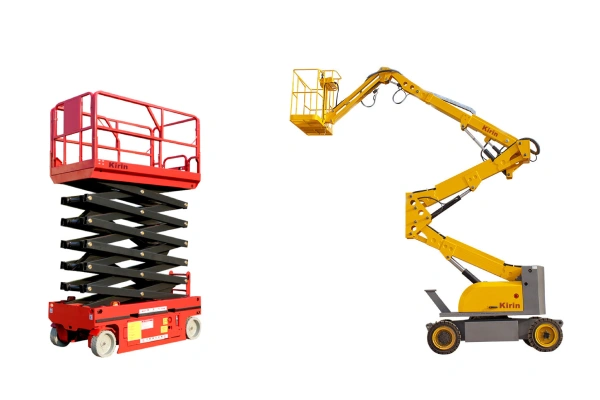
Whether you are managing a busy construction site or maintaining a sprawling industrial facility, your aerial platform is often the backbone of your operations. However, a piece of machinery is only as reliable as the care it receives. Implementing a rigorous boom lift maintenance strategy isn’t just a recommendation—it is a critical necessity for safety, productivity, and financial health.
In this comprehensive guide, we will explore why boom lifts maintenance matters, the key components that require your attention, and 12 essential tips to ensure your equipment stands the test of time.
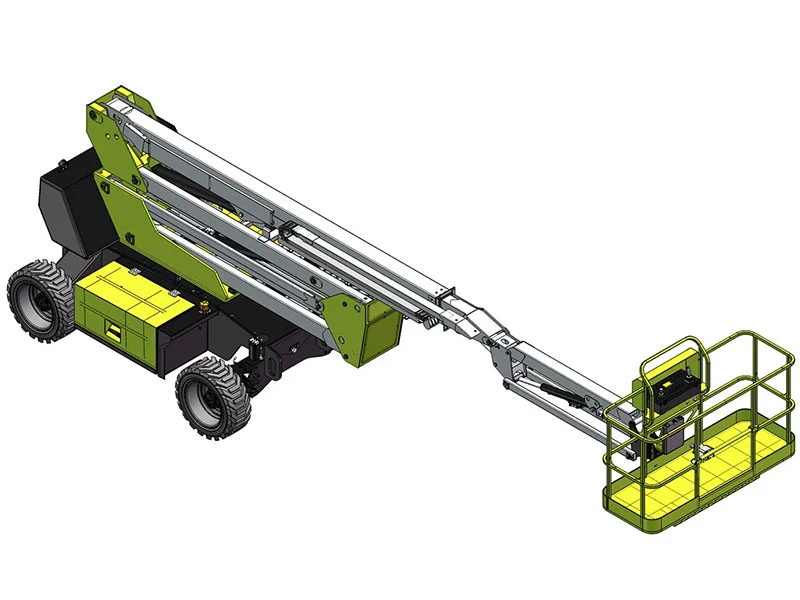
Aerial lifts are complex feats of engineering that combine hydraulics, electronics, and heavy-duty structural steel to reach heights that were once inaccessible. Because they carry human lives several stories into the air, the margin for error is zero.
Boom lift maintenance is the proactive process of inspecting, cleaning, and repairing your aerial lift to prevent mechanical failure. By staying ahead of wear and tear through planned boom lift maintenance, you transform a high-risk machine into a reliable asset. This post serves as a definitive roadmap for fleet managers and operators looking to master boom lift maintenance.
Why Boom Lift Maintenance Is Important
Investing time and resources into boom lift maintenance offers a high return on investment. It isn’t just about ticking a box for the sake of paperwork; it’s about protecting your most valuable assets.
Improves Equipment Safety
The most vital reason for boom lift maintenance is the safety of the operator. A failure in the hydraulic system or a snapped cable while an employee is 60 feet in the air can be catastrophic. Regular boom lift maintenance identifies cracks, leaks, or frayed wires before they lead to a workplace accident.
Extends Equipment Lifespan
A well-maintained machine can last decades, whereas a neglected one may be headed for the scrap yard in five years. Proper boom lift maintenance prevents minor issues like rust or fluid contamination from turning into “engine-killing” problems.
Reduces Downtime and Repair Costs
Emergency boom lift repair and maintenance is always more expensive than scheduled service. When a lift breaks down unexpectedly, you lose man-hours, fall behind on project deadlines, and often pay a premium for rush parts and labor. Planned boom lift maintenance allows you to schedule repairs during slow periods.
Ensures Compliance With Safety Standards
OSHA and ANSI have strict requirements regarding aerial lift inspections. Failing to perform and document your boom lift maintenance can lead to heavy fines and legal liability if an incident occurs.
Key Components That Require Regular Maintenance
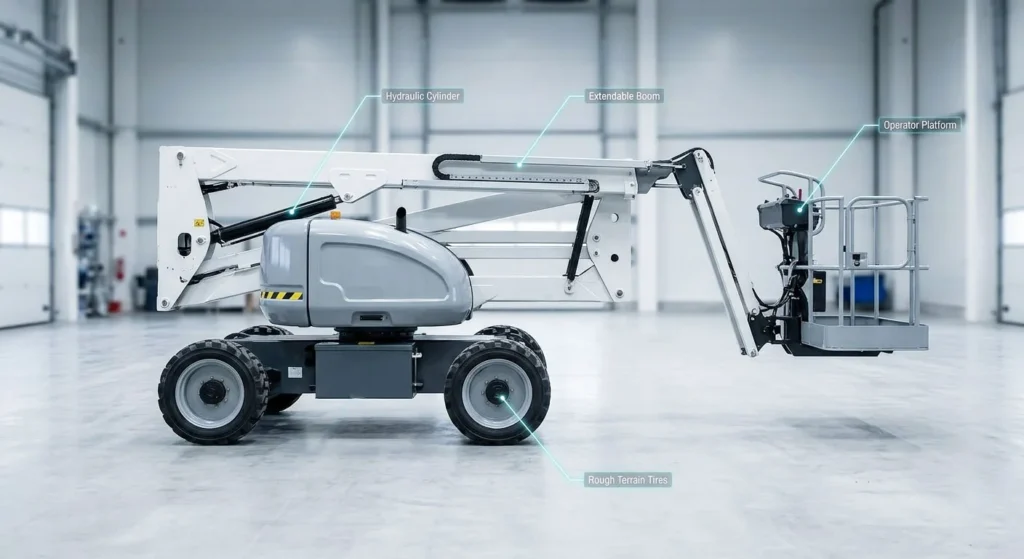
To execute effective boom lift maintenance, you must understand the “vital organs” of the machine.
Hydraulic System
The hydraulic system is the muscle of the lift. Boom lift maintenance for hydraulics involves checking fluid levels, looking for “weeping” hoses, and ensuring the cylinders are smooth and free of scoring. Contaminated hydraulic fluid is the leading cause of valve failure.
Boom Structure
The boom itself—the telescopic or articulating arms—must be inspected for structural integrity. During boom lift maintenance, technicians look for weld cracks, dents, or corrosion that could compromise the load-bearing capacity of the lift.
Electrical System
Modern lifts rely on complex sensors and control boards. Boom lift maintenance includes checking battery health (on electric models), ensuring wiring harnesses are secure, and verifying that the emergency stop buttons function perfectly.
Tires or Tracks
Whether your lift uses foam-filled tires or rubber tracks, they take a beating on rough terrain. Boom lift maintenance requires checking for “chunking,” sidewall tears, and proper lug nut torque.
Platform and Guardrails
The platform is the operator’s office. Ensure the gate latches automatically and the guardrails are not bent or loose. Boom lift maintenance here focuses on the “human interface” elements.
Daily Boom Lift Maintenance Checklist
Daily checks are your first line of defense. Before every shift, an operator should perform a visual and functional boom lift maintenance walk-around.
| Category | Inspection Item |
| Fluids | Check engine oil, fuel, coolant, and hydraulic fluid levels. |
| Leaks | Look for puddles under the machine or damp spots on hoses. |
| Wheels | Inspect for loose bolts or flat spots on tires. |
| Controls | Test ground and platform controls for smooth operation. |
| Safety | Ensure the horn, alarms, and flashing lights are working. |
| Placards | Confirm all safety decals and capacity charts are legible. |
Note: Never bypass a daily check. Most boom lift repair and maintenance issues start as small leaks found during morning inspections.
Weekly Boom Lift Maintenance Tasks
Weekly boom lift maintenance goes a bit deeper into the mechanical “joints” of the machine.
- Grease Pivot Points: Use a grease gun to lubricate all boom joints and steering linkages.
- Battery Inspection: Check for terminal corrosion and ensure the water level is correct in lead-acid batteries.
- Check Air Filters: If working in dusty environments, blow out the air filters to prevent engine strain.
- Inspect Cables and Chains: Look for proper tension and signs of fraying in the extension cables.
Consistent weekly boom lift maintenance prevents the “grinding” sounds that signal metal-on-metal wear.
Monthly and Scheduled Maintenance
Every 1 to 3 months (or every 150–250 hours), you should perform a more technical planned boom lift maintenance session.
- Hydraulic Filter Replacement: Just like an oil filter, hydraulic filters trap debris that can ruin expensive pumps.
- Engine Service: Perform an oil change and replace fuel filters.
- Torque Check: Use a torque wrench to verify that the swing bearing bolts and wheel lug nuts meet manufacturer specifications.
- Function Pressure Check: Ensure the hydraulic pressures are set to the correct PSI to prevent sluggish movement or over-pressurization.
Common Boom Lift Maintenance Problems
Understanding common failures helps you focus your boom lift maintenance efforts where they matter most.
Hydraulic Leaks
Hydraulic leaks are the “flu” of the aerial lift world. They are common but must be treated. Even a small leak can lead to “boom drift,” where the platform slowly sinks while the operator is trying to work.
Electrical System Failures
Corroded ground wires or blown fuses can cause intermittent “ghost” problems. Regular maintenance of the battery compartment on boom lifts prevents many of these issues.
Platform Control Malfunctions
Joystick controllers are sensitive. If they become sticky or unresponsive, it poses a major safety risk. Boom lift repair and maintenance often involves replacing the “boots” on these joysticks to keep moisture out.
Excessive Wear on Boom Joints
If the boom “clunks” when extending, the wear pads may be worn out. Part of boom lift maintenance is measuring the thickness of these Teflon or plastic pads and replacing them before they wear down to the steel.
Best Practices to Extend Boom Lift Lifespan
To get the most out of your investment, follow these four “golden rules” of boom lifts maintenance:
- Keep it Clean: Mud and salt can corrode electrical connectors and pit hydraulic cylinders. Pressure wash the machine regularly, but avoid blasting the control box directly.
- Operate Within Limits: Never exceed the weight capacity. Overloading the platform stresses the entire structure and leads to premature boom lift repair and maintenance needs.
- Store Properly: If possible, store the lift indoors. If it must stay outside, retract the boom fully and cover the control console to protect it from UV damage and rain.
- Use Quality Fluids: Don’t skimp on cheap hydraulic oil or grease. Follow the manufacturer’s specifications to ensure the boom lift’s maintenance is effective.
Boom Lift Maintenance Safety Tips
Performing boom lift maintenance can be dangerous if you don’t follow safety protocols:
- Chock the Wheels: Always park on level ground and chock the wheels before starting work.
- Use the Safety Strut: If you are working under a raised boom or scissor, use the mechanical safety prop to prevent accidental lowering.
- Relieve Pressure: Before opening any hydraulic line during boom lifts maintenance, shut off the engine and cycle the controls to bleed off stored pressure.
- Wear PPE: Gloves, safety glasses, and steel-toe boots are non-negotiable.
When to Schedule Professional Boom Lift Maintenance
While your internal team can handle daily and weekly tasks, certain boom lift maintenance milestones require a certified technician.
- Annual Inspections: ANSI requires a thorough inspection every 13 months by a person “qualified as a mechanic” on that specific make and model.
- Major Structural Repairs: Never attempt to weld a boom or repair a cracked chassis yourself. This requires certified structural repair.
- Electronic Calibration: Recalibrating load-sensing systems usually requires specialized software and hardware tools.
If you notice an unusual vibration, a strange odor, or a warning light that won’t go away, it’s time for professional boom lift repair and maintenance.
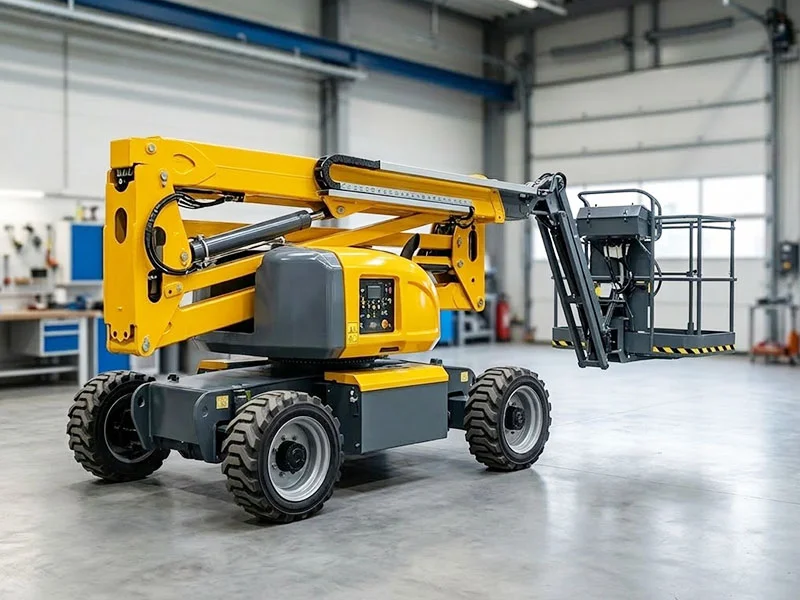
Boom Lift Maintenance Cost vs. Replacement Cost
Many owners hesitate at the cost of planned boom lift maintenance. However, let’s look at the numbers.
The Reality: A major hydraulic pump replacement can cost $5,000–$10,000. A new engine can cost $15,000. A brand-new 60-foot boom lift can exceed $120,000.
In contrast, a comprehensive boom lift maintenance program might cost you $2,000–$4,000 per year. By spending a small amount annually, you can easily double the machine’s life, saving you six figures in the long run. Boom lift maintenance isn’t an expense—it’s an insurance policy for your balance sheet.
Conclusion
The longevity and reliability of your aerial lift are entirely in your hands. By following a strict boom lift maintenance schedule, you ensure that your operators remain safe, your projects stay on track, and your equipment retains its value. Remember: the best time to perform boom lift maintenance is before the machine stops working.
FAQs
How often should I perform boom lift maintenance?
You should perform a visual inspection daily, basic lubrication weekly, and a comprehensive planned boom lift maintenance service every six months or 500 hours. A mandatory professional inspection is required annually.
Can I do my own boom lift repair and maintenance?
Operators can perform daily checks and basic lubrication. However, complex hydraulic and electrical boom lift repair and maintenance should be performed by trained technicians to ensure safety and warranty compliance.
What is the most common cause of boom lift failure?
The most common cause is neglected boom lift maintenance—specifically, failing to check hydraulic fluid levels and ignoring battery health.
How do I document my boom lift maintenance?
Keep a dedicated logbook for each machine. Record the date, the hour meter reading, the specific boom lift maintenance tasks performed, and the name of the person who did the work.