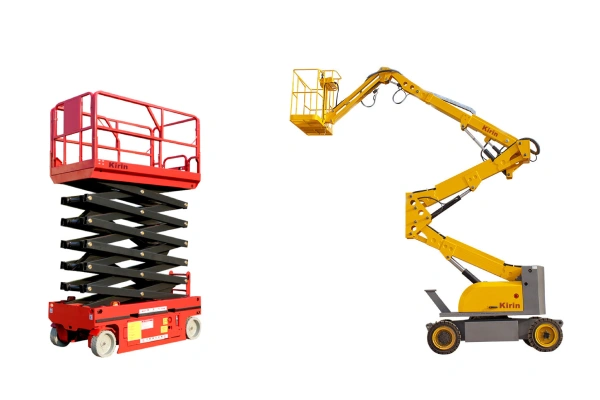
When working at height, safety and performance always come first. One of the most critical factors to understand before operating or purchasing equipment is scissor lift weight capacity. Whether you’re in construction, warehouse logistics, facility maintenance, or industrial manufacturing, knowing the scissor lift weight capacity ensures safe operation, prevents equipment damage, and protects workers.
But how much weight can a scissor lift actually hold? The answer depends on several factors including design, lift height, platform size, and intended use.
In this comprehensive guide, we’ll explain everything you need to know about scissor lift weight capacity, including typical ranges, influencing factors, safety standards, and how to choose the right lift for your needs.
What Is Scissor Lift Weight Capacity?
Scissor lift weight capacity refers to the maximum amount of weight a scissor lift platform can safely support. This includes:
- Operators
- Tools
- Materials
- Equipment placed on the platform
Manufacturers determine scissor lift weight capacity through engineering calculations and load testing. The rated capacity is clearly labeled on the machine and must never be exceeded.
Key Terms Related to Scissor Lift Weight Capacity
Understanding these terms helps clarify how scissor lift weight capacity is defined:
- Rated Load Capacity – The maximum load specified by the manufacturer.
- Safe Working Load (SWL) – The maximum safe load under normal operating conditions.
- Platform Capacity – The maximum distributed weight allowed on the platform.
- Point Load Limit – Maximum weight allowed in a single concentrated area.
Exceeding the scissor lift weight capacity can lead to instability, mechanical failure, and serious safety hazards.
Typical Scissor Lift Weight Capacity Ranges
The scissor lift weight capacity varies depending on the type of lift and its intended application.
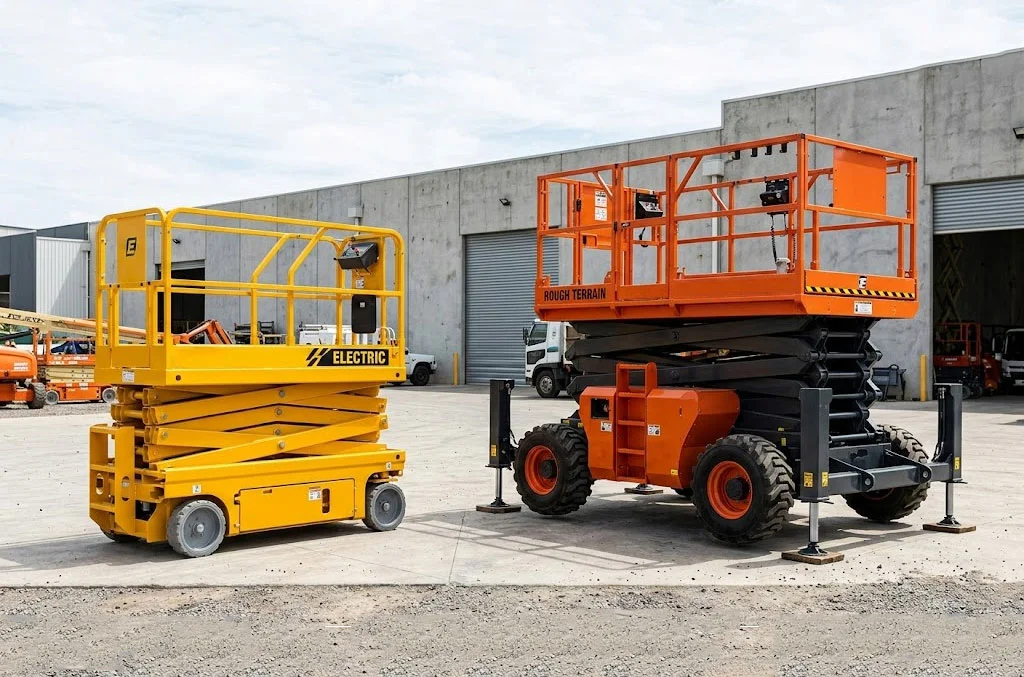
1. Electric (Indoor) Scissor Lifts
Electric scissor lifts are commonly used indoors in warehouses, retail spaces, and maintenance facilities.
- Typical scissor lift weight capacity: 500 – 1,000 lbs (230 – 450 kg)
- Designed for smooth floors
- Ideal for one or two operators with tools
These models focus on compact design and maneuverability rather than heavy load handling.
2. Rough Terrain Scissor Lifts
Rough terrain lifts are designed for outdoor construction sites and uneven ground.
- Typical scissor lift weight capacity: 1,000 – 2,500+ lbs (450 – 1,000+ kg)
- Heavy-duty construction
- Larger platforms
- Diesel or dual-fuel engines
Because of reinforced frames and stronger hydraulic systems, rough terrain models generally offer a higher scissor lift weight capacity.
3. Heavy-Duty Hydraulic Scissor Lifts
Industrial hydraulic scissor lifts are used in factories, loading docks, and production lines.
- Typical scissor lift weight capacity: 2,000 – 10,000+ lbs
- Stationary or rail-guided systems
- Designed for material handling
In industrial environments, scissor lift weight capacity becomes even more critical because materials are often heavy and bulky.
4. Mini or Compact Scissor Lifts
Mini lifts are built for tight spaces and lighter tasks.
- Typical scissor lift weight capacity: 300 – 500 lbs
- Ideal for light maintenance
- Small platform size
These lifts are not designed for heavy-duty applications, so understanding their scissor lift weight capacity is especially important.
What Determines Scissor Lift Weight Capacity?
Several engineering factors influence the weight capacity of scissor lift machines. Understanding these can help you appreciate why certain lifts have lower limits than they might appear to have.
A. Lift Design & Structure
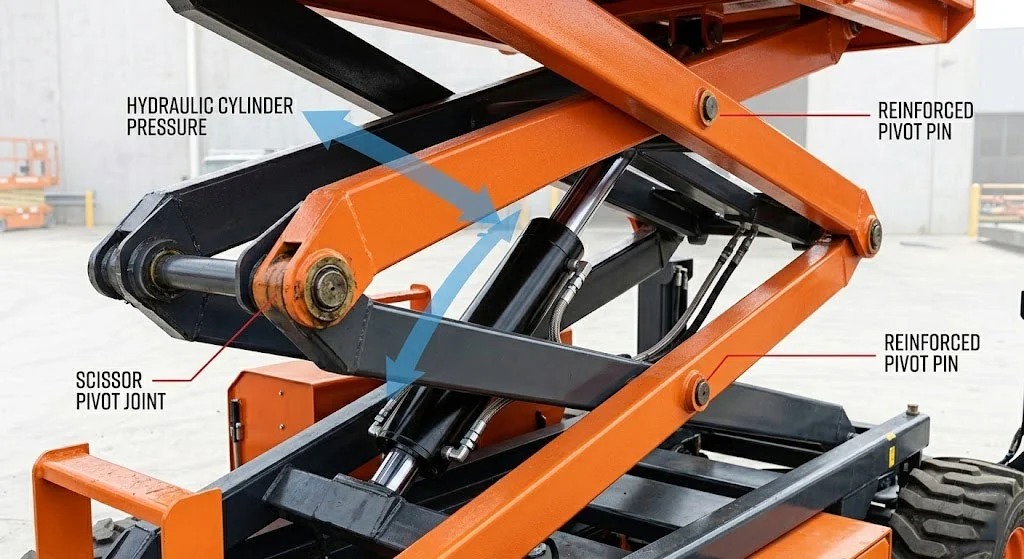
The thickness of the steel used in the “pantograph” (the scissor arms) is the primary factor. High-capacity lifts use reinforced steel and heavy-duty pivot pins to prevent the arms from buckling under pressure.
B. Hydraulic System Strength
The lift is only as strong as the fluid pressure pushing it up. The diameter of the hydraulic cylinders and the pressure rating of the pump directly dictate the scissor lift weight capacity.
C. Platform Size
A larger platform allows for more materials, but it also creates more “leverage” or “moment” if weight is not centered. Manufacturers often limit capacity on larger platforms to ensure stability.
D. Lift Height
Generally, as a lift goes higher, its center of gravity becomes more precarious. Some machines have a graduated scissor lift weight capacity chart that shows a reduction in allowable weight as the platform reaches its maximum extension.
E. Power Source
Diesel engines often power larger pumps, allowing for the high scissor lift weight capacity found in rough terrain models, whereas battery-powered electric motors are optimized for lighter, more precise indoor tasks.
How to Calculate the Total Load on a Scissor Lift
To stay safe, you must accurately calculate your load before every ascent. Never guess; use a scissor lift weight capacity chart provided by the manufacturer.
Weight of Operators
Don’t just estimate. An average worker with boots, a hard hat, and a tool belt can easily weigh 220–250 lbs. If you have two workers, you have already used up 500 lbs of your scissor lift weight capacity.
Weight of Tools and Materials
- Tools: Drills, saws, and batteries add up.
- Materials: A single sheet of 5/8″ drywall weighs approximately 70 lbs. Ten sheets will put you at 700 lbs.
Safety Margin Considerations
Industry experts recommend never operating at 100% of the rated scissor lift weight capacity. A 10–15% safety buffer accounts for unexpected variables, such as tool vibration or the “wind load” if working outdoors.
What Happens If You Exceed Scissor Lift Weight Capacity?
Overloading a lift is a recipe for disaster. Here is what happens when you ignore the weight capacity of scissor lift specifications.
Risk of Structural Damage
The scissor arms can bend or “warp.” Even a slight deformation can make the lift impossible to lower or cause it to collapse entirely.
Hydraulic System Failure
Overloading puts immense pressure on seals and hoses. A blown hydraulic line can cause the platform to drop suddenly, leading to catastrophic injury.
Platform Instability and Tipping
The higher the platform, the more an overload affects the center of gravity. A gust of wind or a slight movement by a worker can cause an overloaded lift to tip over.
Increased Wear and Reduced Lifespan
Frequently pushing the scissor lift weight capacity to its limit wears out the motor, pump, and bushings prematurely, leading to expensive repair bills.
Safety and Legal Consequences
OSHA (Occupational Safety and Health Administration) takes weight limits seriously. Exceeding capacity can result in massive fines, and in the event of an accident, it can lead to legal liability for the site supervisor.
Scissor Lift Weight Capacity vs. Lift Height: What’s the Relationship?
Many buyers assume all scissor lifts at a certain height have similar capacity ratings. That’s not always true.
Higher lifts must compensate for:
- Increased sway
- Higher center of gravity
- Wind exposure (outdoor use)
For example:
- A 19-ft lift may have 500 lb scissor lift weight capacity
- A 40-ft lift may have 800 lb scissor lift weight capacity (but with stricter balance requirements)
Always verify the exact scissor lift weight capacity for your specific model and height configuration.
Choosing the Right Scissor Lift Weight Capacity for Your Needs
Selecting the right machine starts with an honest assessment of your project requirements.
A. For Construction Sites
Look for rough terrain models. You will likely need a scissor lift weight capacity of at least 1,500 lbs to accommodate multiple workers and heavy building materials.
B. For Warehouses
Standard electric lifts are usually sufficient. A weight capacity of scissor lift around 500–800 lbs is perfect for one worker and several boxes of inventory.
C. For Facility Maintenance
If you are changing lightbulbs or cleaning windows, a compact lift with a 300–500 lb scissor lift weight capacity is ideal for navigating narrow hallways and doorways.
D. For Industrial Applications
If you are moving heavy machinery components, you may need a specialized heavy-duty hydraulic lift with a capacity exceeding 3,000 lbs.
Heavy-Duty Scissor Lifts: When Do You Need One?
You should opt for a heavy-duty model when your primary task involves lifting materials rather than just people. If your workflow requires bringing up pallets of bricks, large HVAC units, or industrial piping, a standard lift won’t cut it.
Heavy-duty models often feature dual hydraulic cylinders and wider “stacks” (the scissor arm assembly) to distribute the load more effectively, maintaining a high scissor lift weight capacity even at 40 or 50 feet.
Maintenance Tips to Preserve Weight Capacity
A lift that isn’t maintained won’t be able to meet its original scissor lift weight capacity specs.
Regular Inspection of Hydraulic Components
Check for leaks around the cylinders. Even a small “weep” of fluid means the system cannot maintain the pressure required for its maximum weight capacity of scissor lift.
Checking Structural Welds
Hairline cracks in the welds of the scissor arms can compromise the entire structure. These should be inspected daily.
Avoiding Overload Wear
Every time you overload a lift, you “stress” the metal. Over time, this cumulative stress lowers the actual (though not the rated) scissor lift weight capacity.
Scheduled Servicing
Follow the manufacturer’s intervals for fluid changes and bushing lubrication. A well-lubricated lift moves smoother and puts less strain on the hydraulic motor.
Conclusion
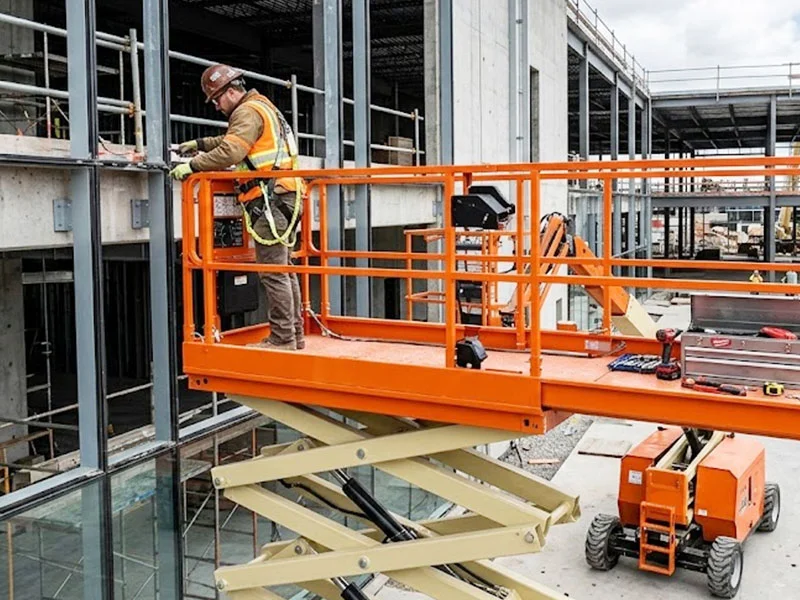
Understanding scissor lift weight capacity is the cornerstone of aerial work safety. By respecting the limits defined in the scissor lift weight capacity chart, you protect your equipment, your budget, and most importantly, your life.
Before you start your next job, take five minutes to calculate your total load. If you are hovering near the limit, it is always better to upgrade to a larger machine or make two trips than to risk a mechanical failure.
Frequently Asked Questions (FAQ)
How much weight can a standard scissor lift hold?
A standard indoor electric scissor lift typically has a scissor lift weight capacity of 500 to 1,000 lbs. Rough terrain models usually hold between 1,000 and 2,500 lbs.
Can two workers exceed the capacity?
Yes, easily. Two workers (500 lbs) plus a heavy generator or several buckets of paint can quickly exceed the 800-lb weight capacity of scissor lift models commonly used indoors. Always calculate the total weight including gear.
Does platform extension reduce capacity?
In many cases, yes. Most lifts have a “deck extension.” The scissor lift weight capacity on the extended portion of the deck is often much lower (usually around 250–300 lbs) than the capacity of the main platform.
Is weight capacity different indoors vs outdoors?
The physical capacity of the machine remains the same, but wind loads outdoors can make a lift more unstable. Some lifts are “rated” for indoor use only because they cannot handle the lateral force of wind when loaded to their maximum scissor lift weight capacity.
Can weight capacity be upgraded?
No. You should never attempt to modify a lift to increase its capacity. The weight capacity of scissor lift units is baked into the structural engineering and hydraulic relief valves. If you need more capacity, you must rent or buy a larger machine.