When it comes to working at heights, the equipment you choose can make the difference between a project that is safe and efficient and one that is fraught with delays and hazards. Using a scissor lift has become the gold standard for contractors, warehouse managers, and maintenance teams worldwide. These powerful machines provide a stable, elevated platform that allows workers to perform tasks with a level of security that traditional methods simply cannot match.
In this comprehensive guide, we will explore why using a scissor lift is a game-changer for your business, the safety protocols you must follow, and how to choose the right model for your specific needs.
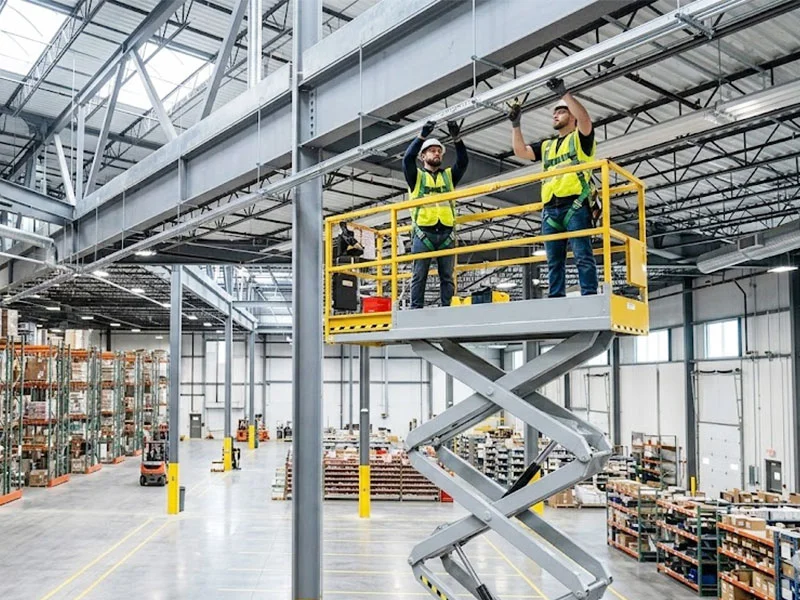
Modern construction and industrial maintenance demand speed, but never at the expense of safety. Historically, workers relied on ladders or static scaffolding to reach high places. However, these methods are often cumbersome, time-consuming to set up, and inherently unstable. Using a scissor lift solves these problems by providing a mobile, motorized solution that can be deployed in seconds. Whether you are painting a high ceiling, installing HVAC ductwork, or managing inventory in a massive warehouse, using a scissor lift ensures that your team remains productive and protected.
What is a Scissor Lift?
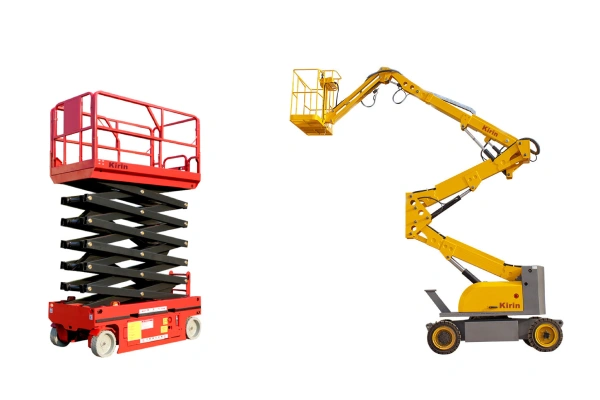
At its core, a scissor lift is a type of aerial work platform (AWP) that moves vertically. The name comes from the folding support mechanism—a series of linked, folding supports in a crisscross “X” pattern, known as a pantograph. When pressure is applied to the outside of the lowest set of supports, the “X” pattern elongates, pushing the platform upward.
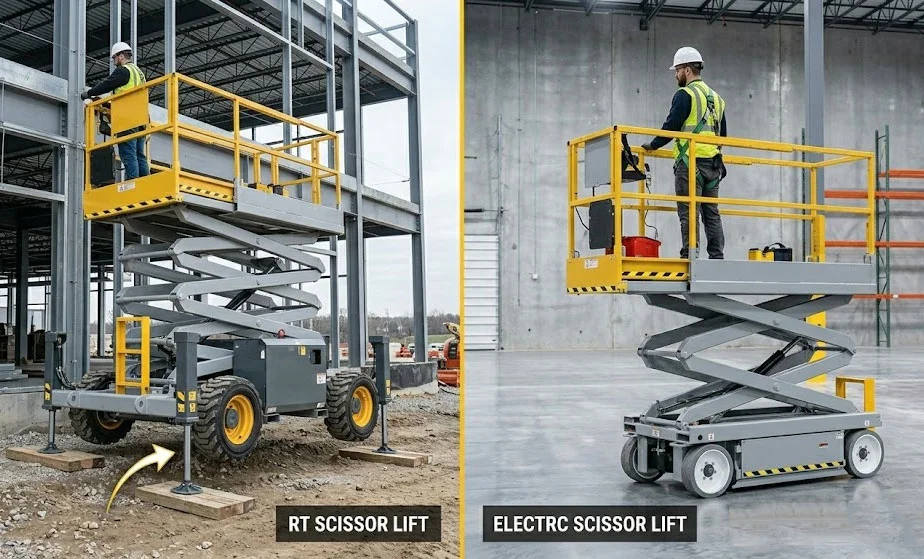
Unlike boom lifts, which can move both vertically and horizontally, using a scissor lift is strictly for vertical elevation. They come in various sizes and power types, including electric models for indoor use and rough-terrain diesel models for outdoor construction sites. The primary appeal of using a scissor lift is the large, flat platform area, which offers plenty of room for personnel, tools, and materials.
Why Safety Is the Top Priority When Using a Scissor Lift
Safety isn’t just a checkbox; it is the foundation of any successful operation. Using a scissor lift significantly reduces the risk of falls compared to ladders, but it requires specialized knowledge to operate correctly.
One of the most frequently asked questions by safety officers is: Is fall protection required when using a scissor lift? While OSHA (Occupational Safety and Health Administration) generally considers the guardrails on a scissor lift to be adequate fall protection, many job sites and company policies mandate additional measures. This leads to the secondary question: Is a harness required when using a scissor lift? While not always federally mandated, if guardrails are in place, wearing a harness and lanyard attached to an approved anchor point is considered a “best practice” that adds an extra layer of security, especially if there is a risk of being ejected from the platform due to a bump or sudden movement.
Using a scissor lift safely means understanding load capacities, wind speeds (for outdoor use), and floor integrity. Neglecting these factors can lead to tip-overs, which are the leading cause of fatalities involving aerial lifts.
Increased Efficiency and Productivity When Using a Scissor Lift
The return on investment (ROI) for using a scissor lift is often seen immediately in the form of saved man-hours.
Faster Access to Elevated Work Areas
Time is money. When you are using a scissor lift, there is no need to spend hours assembling and disassembling scaffolding. A worker can simply drive the lift to the desired location, step onto the platform, and ascend to the working height in a matter of seconds. This rapid deployment allows for “stop-and-go” tasks to be completed much faster than any other method.
Ability to Lift Both Workers and Tools
One of the biggest limitations of ladders is that the worker’s hands must be free to climb. When using a scissor lift, the platform acts as a mobile workbench. You can load heavy toolboxes, replacement parts, and multiple personnel onto the platform simultaneously. This eliminates the need for workers to climb up and down to fetch tools, which reduces fatigue and increases the actual time spent working.
Easy Maneuverability
Most modern lifts are designed with a “zero-turn” or very tight turning radius. Using a scissor lift in tight warehouse aisles or crowded construction zones is surprisingly easy. Many models can even be driven while the platform is partially elevated (depending on the manufacturer’s safety specs), allowing for incremental adjustments without having to fully descend.
Cost-Effectiveness of Using a Scissor Lift
While the upfront rental or purchase cost might seem higher than a stack of wood for scaffolding, the long-term savings of using a scissor lift are undeniable.
Lower Labor Costs
By using a scissor lift, a job that once required three people (two to hold a ladder or pass tools and one to work) can often be done by one or two people. The reduction in labor hours means you can bid more competitively on projects and complete more jobs per year.
Reduced Equipment Setup Costs
Scaffolding requires transportation, organized storage, and significant labor for assembly. Using a scissor lift eliminates these logistical headaches. You have one piece of equipment that is self-contained and ready to go.
Long-Term Investment Value
For facility managers, using a scissor lift that is owned in-house means maintenance tasks like lightbulb replacement or ceiling repairs are no longer major events. They become routine tasks that can be handled instantly without waiting for a rental delivery.
Versatility Across Industries
The beauty of using a scissor lift is that it isn’t limited to construction. Its applications are vast:
- Warehousing: For high-shelf picking and inventory management.
- Retail: For hanging signage and seasonal decorations in “big box” stores.
- Entertainment: For adjusting overhead lighting and sound equipment in theaters or arenas.
- Manufacturing: For maintaining overhead conveyor belts and machinery.
Comparing Scissor Lifts to Other Aerial Work Platforms
To truly appreciate the benefits of using a scissor lift, it helps to compare it to the alternatives.
| Feature | Scissor Lift | Boom Lift | Scaffolding |
| Movement | Vertical Only | Vertical & Horizontal | Static |
| Platform Size | Large | Small (Bucket) | Large |
| Setup Time | Instant | Instant | High (Hours/Days) |
| Capacity | High (Multiple People) | Low (1-2 People) | High |
Scissor Lift vs. Boom Lift
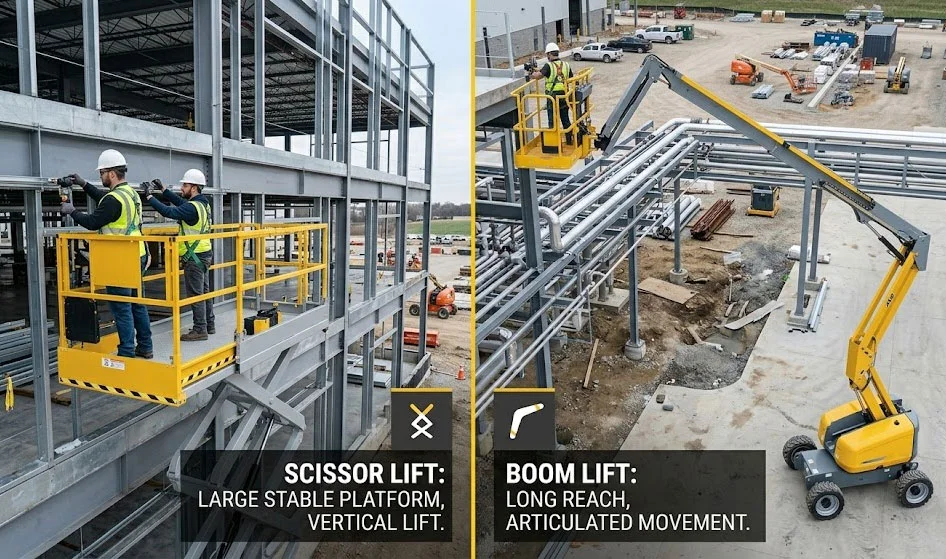
While boom lifts are great for reaching over obstacles, using a scissor lift is preferable when you need a larger workspace and a higher weight capacity. If you are working directly above your base, the scissor lift is the more stable and cost-effective choice.
Scissor Lift vs. Scaffolding
Scaffolding is sturdy but inflexible. Using a scissor lift gives you the same stability but with the added benefit of mobility. Once a section of work is done, you simply drive to the next section rather than tearing down a metal structure.
Scissor Lift vs. Ladders
Ladders are the cause of thousands of workplace injuries every year. Using a scissor lift provides a flat, guarded surface that eliminates the “balancing act” required on a ladder, drastically reducing the risk of overreaching and falling.
Best Practices for Safely Using a Scissor Lift
To maximize the benefits of using a scissor lift, operators should follow these gold-standard practices:
- Pre-Operation Inspection: Check hydraulics, tires, and battery levels before every shift.
- Clear the Area: Ensure the ground is clear of debris and that overhead obstructions (like power lines) are identified.
- Evaluate the Surface: Never attempt using a scissor lift on a slope unless the machine is specifically rated for it and equipped with outriggers or leveling jacks.
- Training: Only OSHA-certified personnel should be using a scissor lift.
Common Mistakes to Avoid When Using a Scissor Lift
Even experienced pros can get complacent. Avoid these pitfalls:
Overloading the Platform
Every lift has a maximum weight capacity. Using a scissor lift while exceeding this limit can cause the hydraulic system to fail or the unit to tip. Always calculate the weight of workers and their tools.
Operating on Uneven Surfaces
Using a scissor lift on a slope is one of the most dangerous things an operator can do. Most lifts have a “tilt sensor” that will disable the lift if it’s on an incline, but never rely solely on technology. Ensure the ground is firm and level.
Ignoring Maintenance Schedules
Hydraulic leaks or frayed wires can lead to catastrophic failure. Using a scissor lift that hasn’t been serviced according to the manufacturer’s schedule is a liability.
Improper Fall Protection Usage
As discussed, even if you aren’t strictly required by law in some regions, is fall protection required when using a scissor lift for safety? The answer is effectively “Yes” for those who value their lives. Never climb on the guardrails to get a few extra inches of reach.
How to Choose the Right Scissor Lift for Your Needs
Not all lifts are created equal. When you are considering using a scissor lift, evaluate these five factors:
Working Height Requirements
Remember that “platform height” and “working height” are different. Working height is usually the platform height plus six feet (the reach of the person standing on it). Ensure the lift can comfortably reach your target.
Weight Capacity
If you are using a scissor lift to install heavy steel beams, you will need a high-capacity rough terrain model. If you are just changing lightbulbs, a lightweight electric model will suffice.
Indoor vs. Outdoor Use
Using a scissor lift indoors requires non-marking tires and an electric motor to avoid exhaust fumes. Outdoor use often requires four-wheel drive and combustion engines to handle rough terrain.
Power Source Selection
- Electric: Quiet, zero emissions, ideal for indoor work.
- Diesel/Dual Fuel: Powerful, better for outdoor or unfinished construction sites.
Platform Size
If you have a large crew, using a scissor lift with a platform extension (slide-out deck) is essential to give everyone enough “elbow room” to work safely.
Conclusion
Using a scissor lift is one of the smartest moves a business can make to improve site safety and operational efficiency. These machines provide a level of versatility and stability that ladders and scaffolding simply cannot match. By understanding the safety requirements—such as knowing when is a harness required when using a scissor lift and avoiding the dangers of using a scissor lift on a slope—you can ensure your projects are completed on time and without injury.
Investing in the right equipment and training means you aren’t just reaching new heights; you’re reaching new levels of professional excellence.
FAQs
Is fall protection required when using a scissor lift?
OSHA requires that scissor lifts have a guardrail system. However, many employers require additional personal fall arrest systems (PFAS), such as a harness, to ensure maximum safety.
Is a harness required when using a scissor lift?
While the guardrails serve as the primary fall protection, wearing a harness is highly recommended and often required by specific job site safety plans to prevent ejection from the platform.
What are the risks of using a scissor lift on a slope?
Using a scissor lift on a slope significantly increases the risk of a tip-over. Most scissor lifts are designed for use on flat, level surfaces. Always check the manufacturer’s incline rating before operation.
Can I move the lift while the platform is raised?
Many models allow for “driving at height,” but this should only be done on perfectly smooth, level ground and at very slow speeds. Always consult your operator’s manual.