Maintaining a fleet of aerial work platforms requires more than just a basic understanding of how to flip a switch. To ensure safety, longevity, and peak performance, you need a deep dive into the specific scissor lift parts that keep your machinery moving. Whether you are a fleet manager, a technician, or an operator, knowing the anatomy of your equipment is the first step toward reducing downtime.
In this comprehensive guide, we will break down every essential component, from the structural chassis to the intricate hydraulic valves, providing you with the ultimate resource on scissor lift parts.
What is a Scissor Lift?
Definition of a Scissor Lift / Aerial Work Platform
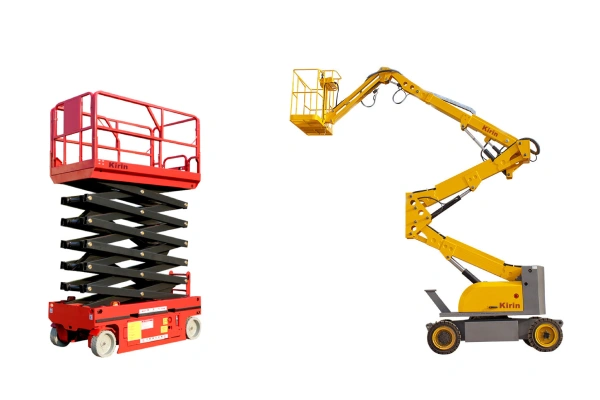
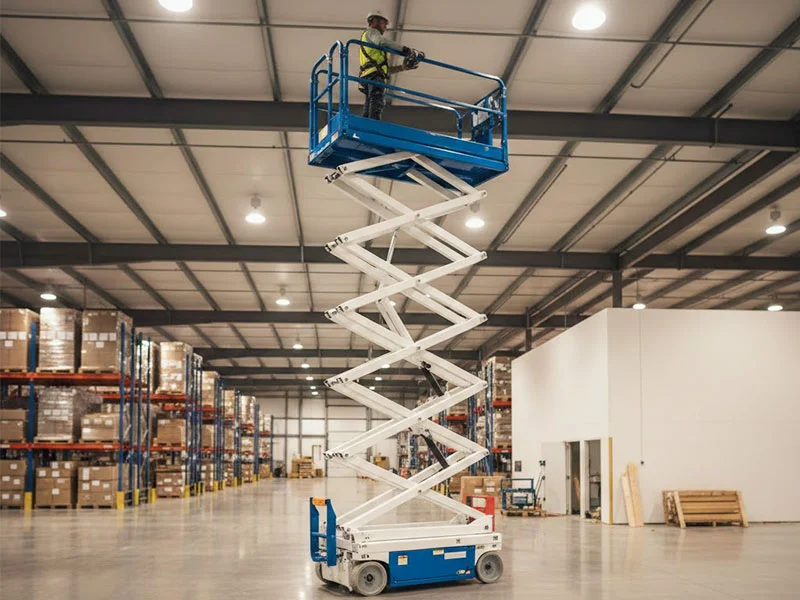
A scissor lift is a type of aerial work platform (AWP) designed to move personnel and equipment vertically. Unlike boom lifts, which use a telescopic arm to reach out and up, a scissor lift moves strictly in a vertical plane. These machines provide a stable workspace for tasks such as electrical installations, warehouse inventory management, and exterior building maintenance.
How it Works
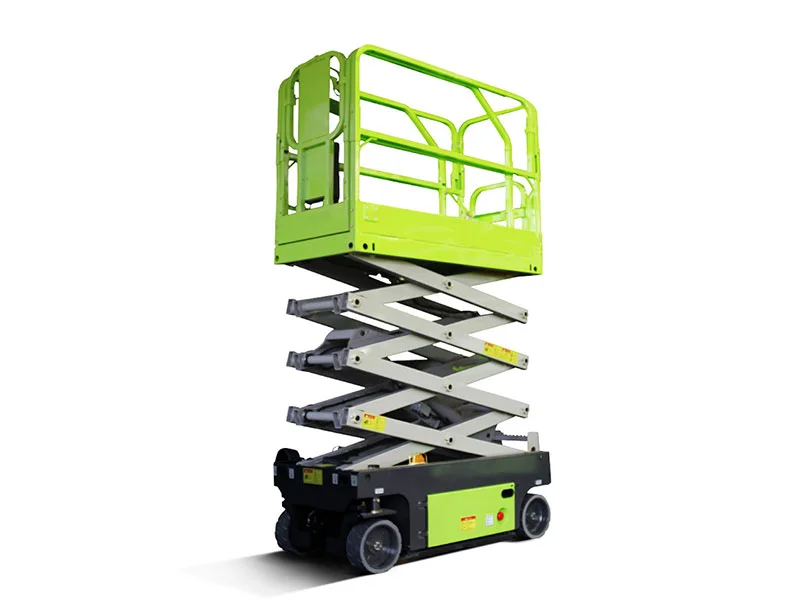
The machine utilizes a “pantograph” mechanism—a series of linked, folding supports in a crisscross pattern. When pressure is applied to the bottom of the mechanism, the scissor lift parts stretch upward, extending the platform to the desired height.
Types of Scissor Lifts
Depending on the environment, you will encounter different variations:
- Electric Scissor Lifts: Quiet, non-marking tires, ideal for indoor use.
- Rough Terrain (RT) Scissor Lifts: Heavy-duty tires and engines (diesel or dual-fuel) for outdoor construction sites.
- Hydraulic Scissor Tables: Often used in manufacturing to lift heavy pallets or materials.
Basic Working Principle
The core principle relies on the conversion of energy—usually electrical or internal combustion—into hydraulic pressure. This pressure forces the cylinders to extend, which in turn pushes the scissor arms apart, elevating the work platform.
Major Categories of Scissor Lift Parts
To understand scissor lift parts, it helps to categorize them by their function. A failure in one category often leads to a cascade of issues in others.
- Structural Components: The “bones” of the machine that provide stability and height.
- Hydraulic System Components: The “muscles” that provide the lifting force.
- Electrical & Control Components: The “brain” and “nervous system” that dictate movement.
- Safety Components: The “fail-safes” that protect the operator.
- Drive & Mobility Components: The “legs” that allow the machine to travel across the floor.
Structural Scissor Lift Parts (Frame & Platform)
The structural integrity of scissor lift parts is what keeps an operator safe 40 feet in the air. These components must withstand massive stress and load.
Base Frame (Chassis)
The chassis is the foundation. It supports the entire machine’s weight and provides the counterweight necessary to prevent tipping. It houses the motor, battery packs, and the hydraulic reservoir.
Scissor Arms
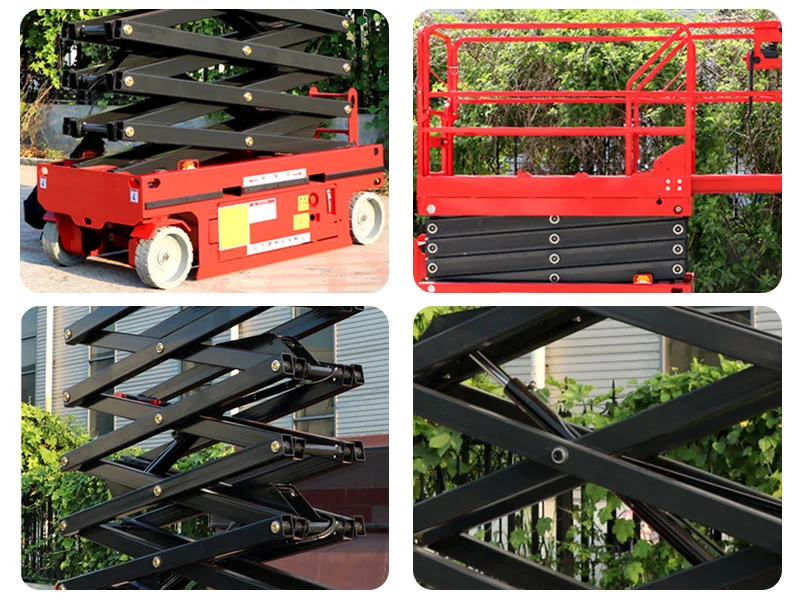
These cross-braced steel arms are the most recognizable parts of a scissor lift. They act as the main lifting structure. High-quality scissor lift replacement parts for arms must be made of high-tensile steel to handle the constant tension and compression.
Platform/Work Basket
The platform is the actual workspace. Key features include:
- Load Capacity: Clearly marked limits for workers and tools.
- Deck Extensions: Many platforms slide out to provide “reach” over obstacles.
Guardrails
These are essential scissor lift parts for fall protection. They consist of a top rail, mid-rail, and toe boards to prevent tools from falling off the edge.
Pins and Bushings
These are the pivot points where the scissor arms connect. Because they facilitate all movement, they are high-wear scissors lift parts. Proper lubrication is vital to prevent the steel from grinding against steel.
Hydraulic Scissor Lift Parts (Lifting System)
If the structural parts are the bones, the hydraulic system is the lifeblood.
Hydraulic Cylinder
The hydraulic cylinder is the main lifting actuator. It converts fluid pressure into linear vertical movement. If this part fails, the lift will not rise or, worse, may drift downward.
Hydraulic Pump
The pump creates the fluid pressure needed for movement. In electric models, it is driven by a DC motor; in rough terrain models, it is powered by the engine.
Hydraulic Power Unit (HPU)
The HPU is a compact assembly containing the motor, pump, and reservoir. It is a critical hub for scissor lift parts sourcing, as a complete HPU replacement is often easier than rebuilding individual sub-components.
Hydraulic Hoses
These transport oil between the pump, valves, and cylinders. Because they are flexible, they are prone to leaks and bursts over time. Replacing these with high-quality upright scissor parts lift hoses ensures the system maintains pressure.
Hydraulic Valves
Valves act as the traffic cops for fluid:
- Check Valve: Prevents oil from flowing backward.
- Flow Control Valve: Regulates the speed of the lift.
- Relief Valve: Protects the system from over-pressurization.
Hydraulic Oil Tank (Reservoir)
The tank stores the oil and helps dissipate heat. It also allows air bubbles and contaminants to settle so they don’t damage the pump.
Electrical and Control System Parts
Modern scissor lift parts include sophisticated electronics to ensure precision and safety.
Control Box (Ground Controls)
Located on the chassis, these allow a technician to operate the lift from the ground. It is used primarily for testing and emergency lowering.
Platform Control Panel
This is the operator’s interface. It usually includes a joystick for drive and lift functions, an e-stop, and a horn.
Wiring Harness
The wiring harness is the electrical communication network. It connects the batteries to the motors and the control boxes to the sensors.
Limit Switches
These scissor lift parts are critical for safety. They detect when the lift has reached its maximum height or when the deck is extended, often limiting the drive speed automatically for safety.
Sensors
- Tilt Sensor: Sounds an alarm if the machine is on an unsafe incline.
- Overload Sensor: Prevents lifting if the weight exceeds the rated capacity.
Battery Pack (Electric Models)
Most electric lifts use a series of 6V or 12V deep-cycle batteries. The scissor lift parts list here also includes the on-board charger unit, which converts AC wall power into DC battery power.
Safety Components of a Scissor Lift
Safety is non-negotiable when working at heights. The following parts of a scissor lift are designed to prevent accidents:
- Emergency Stop Button: Large red buttons located on both the ground and platform controls.
- Emergency Lowering System: A manual pull-cable or valve that allows the platform to descend safely if power is lost.
- Tilt Protection System: Automatically cuts off certain functions if the lift detects it is unlevel.
- Overload Protection: Sensors that disable the lift if too much weight is detected.
- Pothole Protection Mechanism: Flaps that deploy when the lift is raised to prevent the machine from tipping if it drives into a hole.
- Safety Lock/Maintenance Support Bar: A physical metal bar used to “chock” the scissor arms open during maintenance.
Drive and Mobility Parts
To move from point A to point B, several scissor lift parts must work in unison.
Drive Motor
In electric lifts, these are usually high-torque DC motors located on the front or rear wheels.
Wheels and Tires
- Solid Tires: Durable and puncture-proof.
- Non-marking Tires: Essential for indoor gym floors or warehouses to prevent black scuffs.
- Rough Terrain Tires: Deep treads for mud and gravel.
Steering System
Usually powered by a small hydraulic cylinder that turns the front wheels.
Brake System
Most scissor lift parts in the braking category are “fail-safe,” meaning they are spring-applied and only release when the operator engages the drive joystick.
Most Commonly Replaced Scissor Lift Parts
When maintaining your equipment, you will find yourself searching for these scissor lift replacement parts more than others:
| Component | Reason for Replacement |
| Batteries | Loss of charge capacity over 3–5 years. |
| Hydraulic Hoses | Cracking due to UV exposure or friction. |
| Joystick Controllers | Internal switch failure or physical damage. |
| Tires | Chunking (pieces falling off) or wearing smooth. |
| Pins and Bushings | Lack of lubrication leading to “sloppy” joints. |
| Limit Switches | Exposure to debris and moisture. |
How to Maintain Scissor Lift Components
Proper maintenance extends the life of your scissor lift parts and ensures compliance with OSHA or local safety standards.
- Daily Inspection: Check for oil leaks, frayed wires, and tire damage.
- Lubrication: Regularly grease the pivot pins and the sliding tracks of the deck extension.
- Battery Care: Ensure water levels (in lead-acid batteries) are maintained and terminals are free of corrosion.
- Hydraulic Fluid: Change filters every 250–500 hours and ensure the oil remains translucent (not milky).
- Cleanliness: Remove debris from the scissor stack to prevent it from jamming the upright scissor parts lift mechanism.
Signs Your Scissor Lift Parts Need Replacement
Don’t wait for a total failure. Watch for these red flags:
- Jerky Lifting: Often indicates air in the hydraulic lines or a failing pump.
- Slow Lifting Speed: Suggests a clogged filter or a weak battery pack.
- Platform Drifting Down: A clear sign of a leaking hydraulic cylinder seal or a failing check valve.
- Oil Leakage: Any puddle under the machine is a sign that scissor lift parts like hoses or O-rings are compromised.
- Alarm Warnings: Never ignore a tilt or overload alarm; these sensors are protecting you from a tip-over.
Tips for Choosing Quality Replacement Scissor Lift Parts
When shopping for scissor lift replacement parts or scissor lift table parts, keep these tips in mind:
- OEM vs. Aftermarket: OEM (Original Equipment Manufacturer) parts guarantee a perfect fit, but high-quality aftermarket scissors lift parts can offer significant cost savings.
- Model Serial Number: Always have your model number and serial number ready. Scissor lift parts can vary significantly even within the same brand (e.g., JLG, Genie, or Skyjack) depending on the year of manufacture.
- Warranty: Ensure your parts provider offers a warranty, especially on expensive items like motors and controllers.
- Diagrams: Use a scissor lift parts diagram to identify exactly which bushing or seal you need before ordering.
Conclusion
Understanding the various scissor lift parts is essential for any professional working with aerial platforms. From the robust structural frame to the sensitive electronic sensors, every component plays a role in getting the job done safely. Regular inspections and timely replacement of scissor lift parts will not only save you money in the long run but also ensure that your team remains safe while working at heights.
Frequently Asked Questions (FAQ)
What are the main scissor lift parts?
The main parts include the chassis, scissor arms, platform, hydraulic cylinder, pump, batteries, and control panel.
How long do scissor lift hydraulic cylinders last?
With proper maintenance and clean oil, a cylinder can last 10+ years. However, the internal seals may need replacement every few years to prevent drifting.
Can you operate a scissor lift with a hydraulic leak?
No. Even a small leak can lead to a sudden loss of pressure, causing the platform to drop or the machine to become unstable. Always replace leaking scissor lift parts immediately.
How often should scissor lift parts be serviced?
A pre-start inspection should be done daily. A professional “frequent” inspection is required every 90 days or 150 hours of use, and a major annual inspection is mandatory.
Are electric scissor parts lift different from diesel models?
Yes. Electric models focus on batteries and electric drive motors, while diesel models feature internal combustion engines, fuel systems, and more complex heavy-duty hydraulic cooling systems.