
When your project demands reaching new heights, a boom lift is an indispensable piece of equipment. From construction sites to tree trimming, facility maintenance to sign installation, boom lifts offer the versatility and safety needed to get the job done efficiently. However, a crucial decision faces many businesses and individuals: should you buy a boom lift or consider renting a boom lift? This question isn’t always straightforward, and the answer depends heavily on your specific needs, financial situation, and long-term plans. In this comprehensive guide, we’ll delve into the pros and cons of both options, providing a framework to help you make the most informed decision for your operation.
The Case for Renting a Boom Lift
For many, renting a boom lift presents a compelling solution, especially when facing short-term needs or uncertain future demand. It’s a flexible option that can significantly reduce upfront costs and ongoing responsibilities.
Benefits of Renting a Boom Lift
- Reduced Upfront Cost: This is perhaps the most significant advantage of renting a boom lift. Purchasing a new boom lift can involve a substantial capital outlay, often tens of thousands of dollars, if not more. Renting eliminates this massive initial investment, freeing up capital for other business needs or project expenses. For businesses, this can improve cash flow and allow for more agile financial management.
- No Maintenance or Repair Costs: When you rent, the rental company is responsible for all maintenance, repairs, and inspections. This includes routine servicing, unexpected breakdowns, and the cost of replacement parts. This can save you a considerable amount of money and time, as boom lifts are complex machines that require specialized knowledge and tools for upkeep. Avoiding these costs and the hassle of coordinating maintenance is a major perk of renting a boom lift.
- Access to the Latest Technology and Diverse Equipment: Rental fleets are typically well-maintained and often feature newer models equipped with the latest safety features and technological advancements. Furthermore, rental companies offer a wide variety of boom lift types – articulating, telescopic, electric, diesel, different reach heights, and platform capacities. This means you can select the exact boom lift for the specific requirements of each job without being stuck with a single model. If one project requires a compact electric lift for indoor use and another demands a high-reach telescopic lift for outdoor construction, renting a boom lift allows you that flexibility.
- Elimination of Storage Costs: Boom lifts are large pieces of equipment that require secure and often significant storage space when not in use. This can be a considerable expense, especially in urban areas where real estate is at a premium. When you’re renting a boom lift, you simply return it to the rental company when your project is complete, eliminating any need for long-term storage solutions.
- No Depreciation Concerns: Like any piece of heavy machinery, boom lifts depreciate in value over time. Owning a boom lift means absorbing this depreciation. Renting a boom lift bypasses this financial concern entirely, as the rental company bears the brunt of the asset’s diminishing value.
- Simplified Logistics: Rental companies often handle delivery and pickup of the equipment, taking another logistical burden off your plate. This can be particularly beneficial for smaller operations that may not have the necessary transport vehicles or personnel.
- Trial Before Purchase: If you’re considering buying a boom lift in the future, renting a boom lift first can serve as an excellent “try before you buy” opportunity. You can test different models, assess their performance in real-world scenarios, and determine which features are most important for your long-term needs before making a significant investment.
Drawbacks of Renting a Boom Lift
While the benefits are numerous, renting a boom lift isn’t without its disadvantages.
- Higher Long-Term Cost for Frequent Use: If you find yourself renting a boom lift frequently, the cumulative rental fees can eventually surpass the cost of purchasing. For businesses with consistent, ongoing needs for a boom lift, the long-term cost-effectiveness might lean towards ownership.
- Availability Issues: During peak seasons or for specialized equipment, there might be limited availability of the specific boom lift you need. This could lead to project delays or force you to use a less ideal piece of equipment.
- Scheduling and Logistics: While delivery and pickup are often handled by the rental company, you still need to coordinate schedules. This requires planning ahead and ensuring the lift is available when you need it and returned promptly to avoid extra charges.
- No Equity Building: Rental payments are an expense, not an investment. You don’t build equity in the equipment, nor do you have an asset to sell or use as collateral in the future.
- Potential for Damage Charges: You are typically responsible for any damage incurred while the boom lift is in your possession, beyond normal wear and tear. This can result in unexpected repair costs at the end of the rental period. It’s crucial to understand the rental agreement’s insurance and damage clauses.
The Case for Buying a Boom Lift
For businesses with consistent demand, long-term projects, or a desire for complete control, buying a boom lift can be a strategic investment.

Benefits of Buying a Boom Lift
- Ready Availability: Owning your boom lift means it’s always available when you need it. There are no scheduling conflicts with rental companies or concerns about peak season availability. This immediate access can be crucial for urgent tasks or responsive operations.
- Cost-Effectiveness for Frequent Use: If your business uses a boom lift almost daily or for extended periods throughout the year, the initial purchase cost can be amortized over many years, making it more cost-effective than continuous renting a boom lift.
- Customization and Familiarity: When you own the equipment, you can customize it with specific attachments or safety features tailored to your unique operations. Your operators also become intimately familiar with the machine, potentially leading to increased efficiency and safer operation.
- Asset Building and Resale Value: A boom lift is a tangible asset that adds to your company’s balance sheet. While it depreciates, it still retains resale value, which can be recouped when you decide to upgrade or no longer need it. This equity building is a significant advantage over renting a boom lift.
- Tax Advantages: Depending on your jurisdiction and accounting practices, purchasing a boom lift may offer tax deductions through depreciation, further enhancing its financial appeal. Consult with a tax professional to understand the specific benefits applicable to your situation.
- Complete Control: Ownership grants you complete control over the equipment. You decide when and where it’s used, how it’s maintained, and who operates it. There are no rental agreements to adhere to or return deadlines to meet.
Drawbacks of Buying a Boom Lift
Ownership comes with its own set of responsibilities and financial considerations that can be substantial.
- High Initial Investment: As mentioned, the upfront cost of purchasing a boom lift is significant. This requires substantial capital outlay or securing financing, which can impact your cash flow and debt-to-equity ratio.
- Ongoing Maintenance and Repair Costs: The owner is solely responsible for all maintenance, repairs, and periodic inspections (e.g., annual inspections, preventative maintenance). This includes the cost of parts, labor, and specialized technicians. These costs can be unpredictable and add up over the lifespan of the machine.
- Storage Requirements and Costs: A boom lift needs secure storage when not in use. This means either allocating existing valuable space or incurring additional costs for renting storage facilities. Proper storage also helps protect the machine from weather and theft.
- Depreciation and Obsolescence: The value of a boom lift will decrease over time due to wear and tear and the introduction of newer, more efficient models. You bear the full burden of this depreciation, and eventually, the machine may become outdated or require costly upgrades to meet current standards.
- Insurance Costs: Owning a boom lift requires adequate insurance coverage, which adds another recurring expense. This covers liability, damage, and theft.
- Transportation Challenges: Unless your boom lift remains on a single job site, you’ll need the means to transport it between locations. This might involve purchasing a heavy-duty trailer and a suitable tow vehicle, or regularly hiring specialized transport services, adding to your operational costs.
- Disposal/Resale Effort: When it’s time to upgrade or retire your boom lift, you are responsible for selling it, which can be a time-consuming process involving marketing, negotiations, and logistical arrangements.
The Decision Framework: How to Choose
Making the right choice between buying and renting a boom lift involves a careful assessment of several key factors. Use this framework to guide your decision:
- Frequency of Use: How often do you anticipate needing a boom lift?
- Infrequent or Sporadic Use (a few times a year): Renting a boom lift is almost certainly the more economical choice.
- Moderate Use (several times a month, but not daily): This is a gray area. Analyze the cumulative rental costs versus ownership costs over a 3-5 year period.
- Frequent or Daily Use: Buying is likely to be more cost-effective in the long run.
- Project Duration and Type:
- Short-term projects (days to a few weeks): Renting a boom lift is ideal for specific, short-duration tasks.
- Long-term projects (months to years): Ownership might be more practical, especially if the lift is dedicated to one site.
- Diverse project needs: If you require different types of boom lifts for various jobs, renting a boom lift offers unmatched flexibility.
- Budget and Capital Availability:
- Limited Capital: Renting a boom lift preserves capital and avoids a large upfront expenditure.
- Ample Capital/Access to Favorable Financing: Buying becomes a more viable option. Consider the opportunity cost of tying up capital in equipment.
- Maintenance Capabilities:
- No in-house maintenance team/expertise: Renting a boom lift offloads all maintenance responsibilities.
- Experienced maintenance crew/access to reliable technicians: Ownership is more manageable.
- Storage Capacity:
- No adequate storage space: Renting a boom lift eliminates this concern.
- Secure and ample storage available: Ownership is feasible.
- Tax Implications: Consult with an accountant to understand how both options impact your tax situation. Depreciation on owned equipment can be a significant deduction, while rental costs are operating expenses.
- Technological Advancement: If your industry constantly evolves with new boom lift technologies, renting a boom lift allows you to always access the latest models without being stuck with outdated equipment.

Scenario Examples:
- Small Landscaping Business: Needs a boom lift a few times a year for tree trimming. Renting a boom lift makes sense.
- Large Construction Company: Has multiple ongoing projects requiring boom lifts daily across various sites. Buying a fleet of boom lifts might be more economical and efficient.
- Facilities Maintenance Department: Needs an articulating boom lift once a month for light bulb replacement and HVAC work in a large building. Renting a boom lift for a day or two each month would likely be preferred over ownership.
- Sign Installation Company: Regularly installs large signs at varying heights. If they have consistent work, buying a boom lift that meets their most common needs could be beneficial, potentially supplementing with renting a boom lift for specialized jobs.
Conclusion
The decision to buy or rent a boom lift is a strategic one that requires careful consideration of your business’s operational needs, financial health, and long-term goals. There’s no single “right” answer that applies to everyone.
Renting a boom lift offers unparalleled flexibility, reduces upfront costs, and eliminates the burdens of maintenance, storage, and depreciation. It’s an excellent choice for businesses with sporadic needs, diverse project requirements, or limited capital.
Conversely, buying a boom lift provides immediate availability, potential long-term cost savings for frequent users, asset accumulation, and complete control over the equipment. It’s a stronger option for operations with consistent, high-volume needs and the resources to manage ownership responsibilities.
By thoroughly evaluating your frequency of use, project types, budget, and logistical capabilities against the benefits and drawbacks of both options, you can confidently determine whether renting a boom lift or purchasing one is the smartest move for your business.
FAQs
How much does it cost to rent a boom lift?
The cost of renting a boom lift varies widely based on the type of lift (articulating, telescopic), its reach height, platform capacity, the rental duration (daily, weekly, monthly), your location, and the rental company. Expect daily rates to range from a few hundred dollars to over a thousand, with weekly and monthly rates offering discounts. Always get a detailed quote.
Do I need a special license to operate a boom lift?
While there isn’t a specific “boom lift license” like a driver’s license, OSHA (Occupational Safety and Health Administration) and similar regulatory bodies in other countries require operators to be properly trained and certified. This training typically covers safe operation, hazard recognition, and machine-specific knowledge. Rental companies often require proof of certification before allowing you to rent a boom lift.
What’s the difference between an articulating and a telescopic boom lift?
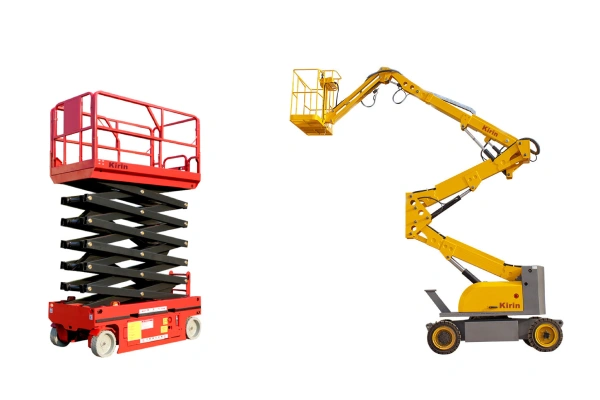
Articulating boom lifts (also known as “knuckle booms”) have multiple jointed sections, allowing them to maneuver around obstacles and reach over structures. They are excellent for tight spaces and complex access needs. Telescopic boom lifts (or “straight booms”) have a straight, extendable arm, offering greater horizontal reach and ideal for jobs requiring direct access at height over a large area. When renting a boom lift, understanding these differences helps you choose the right one.
What factors should I consider when choosing a boom lift for rent?
A: Key factors include:
Working Height & Horizontal Reach: Ensure the lift can reach your highest and furthest work points.
Platform Capacity: Check the maximum weight it can safely lift (personnel, tools, materials).
Power Source: Electric for indoor, fume-sensitive environments; diesel/gas for outdoor, rugged terrain.
Terrain: 4×4 options for rough terrain; solid tires for paved surfaces.
Size and Weight: Can it fit through gates/doorways and be safely supported by the ground?
Rental Duration: Plan your rental period accurately to optimize cost when renting a boom lift.
Is insurance necessary when renting a boom lift?
Yes, absolutely. Rental agreements typically require you to have insurance that covers damage to the equipment while it’s in your possession, as well as liability for any incidents that may occur. Your existing business insurance policy might cover this, or you may need to purchase supplemental insurance from the rental company. Always clarify insurance requirements before renting a boom lift.
What maintenance is required for a boom lift I own?
Owners are responsible for regular preventative maintenance (checking fluids, filters, tires, hydraulics), scheduled inspections (daily, weekly, quarterly, annual), and any necessary repairs. This requires adherence to manufacturer guidelines and often involves certified technicians to ensure safety and compliance.