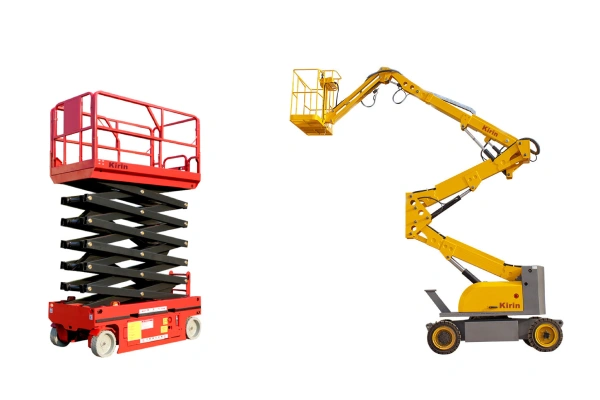
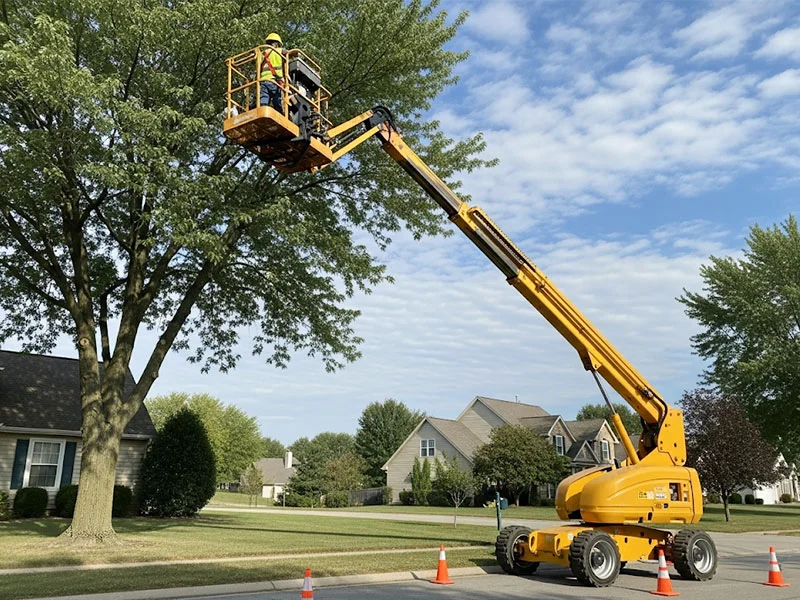
Operating heavy machinery can be intimidating, especially if you’re new to the field. Among the various types of aerial work platforms, the boom lift—also known as a cherry picker or a man lift—is a versatile and powerful tool used in countless industries, from construction and maintenance to telecommunications and warehousing. Its ability to extend both vertically and horizontally makes it indispensable for reaching high and difficult-to-access areas.
However, before you can harness this power, you must first learn the fundamental skill of how to start a boom lift. This isn’t as simple as turning a key and pushing a lever. A proper start-up procedure is a critical safety measure that ensures the machine is in good working order and ready for safe operation. This comprehensive guide is designed to walk you through every step, from the essential pre-operation checks to the final post-start safety review. By the end of this article, you will have a clear understanding of the entire process and feel more confident in your ability to operate a boom lift responsibly.
Introduction
A boom lift is a complex piece of equipment. Ignoring the correct start-up procedure can lead to mechanical failure, injury, or even a fatal accident. The steps outlined in this guide are not just suggestions; they are standard industry practices that prioritize the safety of the operator, the crew, and the public. We will break down the process into logical, easy-to-follow sections, starting with the most important step: the pre-operation inspection. Remember, knowing how to start a boom lift is just the beginning; knowing how to start it safely is what truly matters.
Pre-Operation Checks: The First and Most Critical Step
Before you even think about getting on the machine, you must perform a thorough visual and functional inspection. This step is non-negotiable and is often the difference between a safe workday and a dangerous incident. Think of it as a pilot’s pre-flight checklist. The goal is to identify any potential issues before the machine is powered on and in motion.
A. The Walk-Around Inspection (Ground Level)
Start your inspection on the ground. Walk around the entire machine, paying close attention to the following:
- Tires and Wheels: Check for proper inflation, cuts, bulges, and any signs of damage. The tires should be in good condition to provide a stable base.
- Structural Integrity: Look for any cracks, dents, or signs of stress on the boom, chassis, and welds. Any visible damage must be reported and addressed before operation.
- Hydraulic Systems: Inspect all hoses, cylinders, and fittings for leaks. A hydraulic leak can lead to a sudden loss of control. Look for pools of oil on the ground or residue on the machine’s components.
- Fluid Levels: Check the engine oil, hydraulic fluid, and coolant levels. Low fluid levels can cause the machine to overheat or malfunction. The boom lift’s manual will specify the correct levels and types of fluids.
- Electrical System: Examine all wires and cables for fraying, cuts, or loose connections. Ensure that the battery terminals are clean and secure.
- Safety Features: Test all safety decals, warning lights, and horns to ensure they are working properly. The machine should have clear warnings about weight capacity and operating procedures.
- Platform and Controls: Inspect the platform itself. Look for a secure guardrail, a non-slip surface, and a functioning self-closing gate. Check the controls in the basket for any visible damage.
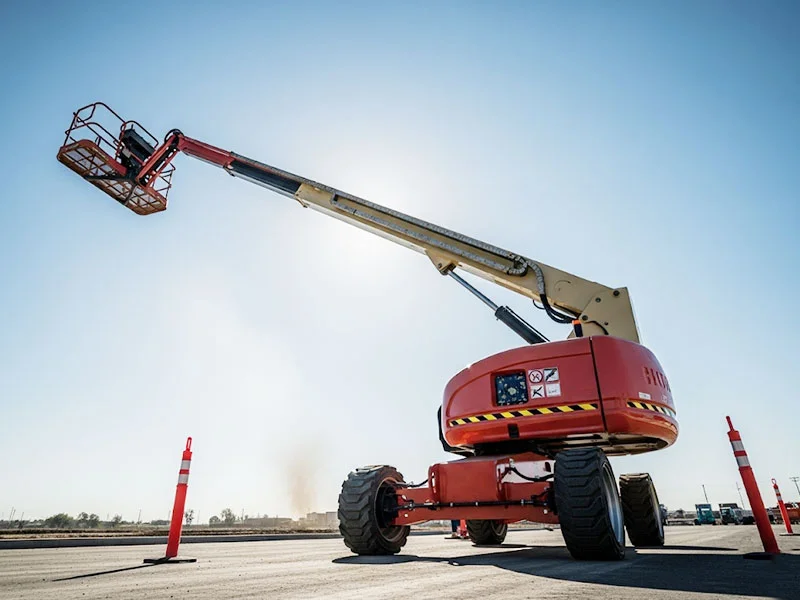
B. The Functionality Check
Once the visual inspection is complete, you should check a few key functions from the ground before getting on the platform:
- Emergency Stop: Test the ground-level emergency stop button. It should immediately cut all power to the machine.
- Ground Controls: If your boom lift has ground-level controls, test the basic functions like raising and lowering the boom and operating the turntable. This confirms the machine’s primary systems are working before you ascend.
Understanding these checks is a critical part of knowing how to start a boom lift and, more importantly, how to operate it safely.
Getting into the Cab/Platform
With the ground-level checks complete, it’s time to get onto the machine. This step is straightforward but still requires care.
- Three-Point Contact: Always maintain three points of contact (two hands and one foot, or one hand and two feet) when climbing the ladder or steps to the platform. This prevents slips and falls.
- Secure the Gate: Once you are on the platform, securely close and latch the gate. Never operate the boom lift with the gate open.
The Operator’s Control Panel: Your Command Center
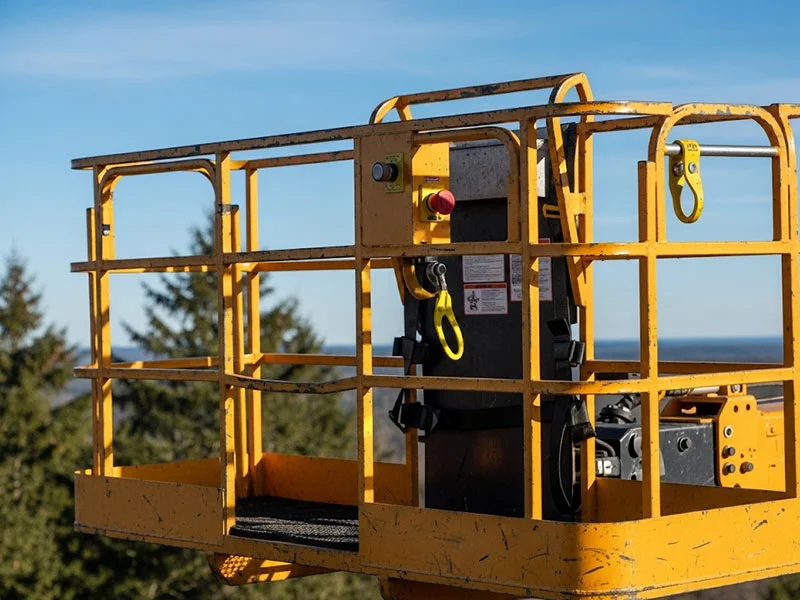
Before you do anything else, take a moment to familiarize yourself with the control panel in the basket. This is where you will manage all the machine’s functions. While the layout may vary between manufacturers, most panels include:
- Ignition Switch/Start Button: The primary control for turning the machine on.
- Emergency Stop Button: An essential safety feature that immediately shuts down all power. It is usually a large, red button.
- Joystick/Control Levers: These control the movement of the boom, platform, and turntable. The functions are usually clearly marked with symbols.
- Engine/Battery Status Lights: Indicators for engine oil pressure, coolant temperature, and battery charge.
- Toggles and Switches: Controls for auxiliary functions like outriggers (if applicable), platform rotation, and horn.
Knowing the location and function of each of these controls is a key part of how to start a boom lift and operate it effectively.
Starting the Boom Lift: The Core Steps
Now that you’ve completed all the preparatory steps, you’re ready to start the engine. This process is similar for most boom lifts, but always refer to the specific machine’s manual.
Step 1: Secure Your Safety Harness
Before you touch any controls, clip into the anchor point on the platform with your safety harness. This is the single most important safety step. A fall from a height can be fatal, and a harness is your last line of defense.
Step 2: Emergency Stop Button Check
Even though you may have checked the ground-level emergency stop, you must now test the one in the platform. Press the E-stop button. This should kill all power. Release the button and a lever or a twist of the button will re-engage the system.
Step 3: Turn the Key or Press the Start Button
Insert the key into the ignition and turn it to the “on” position. If it’s a start-button system, press the button. You will hear the engine crank and start, or if it’s an electric lift, you will hear a system hum as the batteries engage. The dashboard lights will illuminate, indicating that the system is now active.
Step 4: Verify the Dashboard/Display
Once the machine is running, check the display or dashboard lights. All warning lights should turn off after a few seconds. If any warning lights remain on, such as an oil pressure warning or a check engine light, shut the machine down immediately and report the issue to your supervisor or the maintenance team. Do not attempt to operate the boom lift.
Step 5: Engage Power to the Controls
Some boom lifts have a separate switch to engage power to the controls. This is often a safety feature to prevent accidental movements. Flip this switch to the “on” position. The control panel should now be active, and you should be able to hear a low hum from the hydraulic pump.
Following these steps precisely is the correct way to learn how to start a boom lift.
Post-Start Checks and Initial Movements
With the machine running, you’re not quite ready to start working yet. You need to perform a final set of checks to confirm everything is working as it should.
A. Functionality Test
- Move the Boom: Slowly and carefully operate the joystick to raise and lower the boom.
- Swing the Turntable: Use the controls to swing the boom left and right.
- Telescope the Boom: Extend and retract the boom to its full length.
- Rotate the Platform: Test the platform’s rotation function.
Listen for any unusual noises, such as grinding or squealing. The movements should be smooth and predictable. If the controls are jerky or unresponsive, something is wrong, and the machine should be taken out of service.
B. Emergency Descent System
Most boom lifts have an emergency descent system, often a manual pump, that allows the platform to be lowered in case of engine failure. Know where this is located and how to use it. This is a crucial safety feature and part of knowing how to start a boom lift safely.
Safety Reminder and Conclusion
Learning how to start a boom lift is an essential first step. But remember, a properly started machine is only as safe as the operator. Always be aware of your surroundings, never exceed the machine’s rated capacity, and never operate it in adverse weather conditions like high winds.
Your safety, and the safety of those around you, depends on your diligence. Always read the operator’s manual, complete all pre-operation checks, and never take shortcuts. The few extra minutes you spend on a thorough inspection can prevent an accident and save lives.
Boom lifts are powerful tools that can make work at height much safer and more efficient. By mastering the proper starting procedure, you are laying the foundation for a lifetime of safe and productive operation.
FAQs
What should I do if a warning light stays on after I start the boom lift?
Immediately shut down the machine and do not operate it. Report the issue to your supervisor or the maintenance department. Operating the machine with a warning light on can cause serious damage or lead to a catastrophic failure.
Can I operate a boom lift without a safety harness?
No. It is a fundamental safety rule to always wear a properly secured safety harness when operating a boom lift. It is designed to save your life in the event of a fall.
What is the difference between a boom lift and a scissor lift?
A scissor lift moves vertically only and is ideal for work directly above the machine. A boom lift has a hydraulic arm that can extend vertically and horizontally, allowing the operator to reach over obstacles and access areas that are not directly above the machine.
How often should I perform these pre-operation checks?
These checks should be performed at the beginning of every single shift or before each use. They are a daily requirement to ensure the machine is in a safe operating condition.
Is a special license required to operate a boom lift?
Yes, in most jurisdictions and workplaces, you are required to have proper training and certification to operate a boom lift. This ensures that you have the knowledge and skills to operate the machine safely and legally. The certification process will teach you more about how to start a boom lift and all other aspects of safe operation.