When it comes to working at height, operating a boom lift is a game-changer. These versatile machines, also known as aerial work platforms or cherry pickers, provide a safe and efficient way to reach elevated areas for a variety of tasks, from construction and maintenance to tree trimming and film production. But with great power comes great responsibility. This comprehensive guide will walk you through the essential safety protocols and operational techniques you need to master before you even think about operating a boom lift.
The Power and Purpose of a Boom Lift
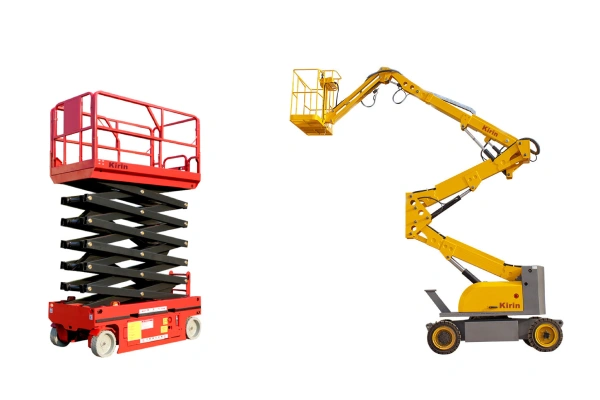
A boom lift is a type of aerial work platform that uses a hydraulic arm (the “boom”) to lift workers and equipment to elevated positions. Unlike a scissor lift, which only moves vertically, a boom lift offers greater flexibility with its ability to extend up, out, and over obstacles. This makes operating a boom lift the ideal solution for jobs that require reaching hard-to-access areas.
There are two primary types of boom lifts:
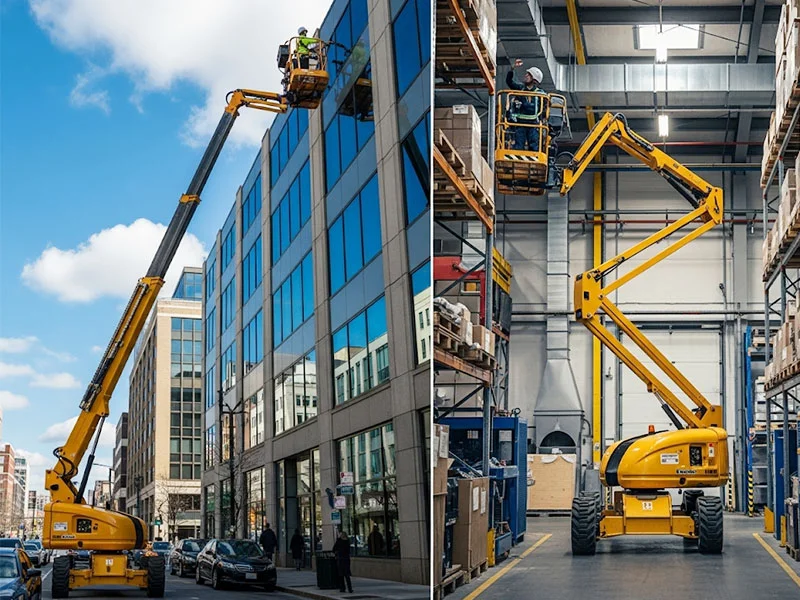
- Telescopic Boom Lifts (Straight Booms): These lifts have a straight, extendable boom, offering maximum horizontal reach. They’re excellent for jobs that require a long reach and a high working height.
- Articulating Boom Lifts (Knuckle Booms): These lifts have a hinged, jointed boom that can “articulate” or bend, allowing the operator to maneuver around obstacles. This is the perfect tool for complex jobs in confined spaces.
Understanding the unique capabilities of each type is crucial to safe and effective operating a boom lift.
Foundational Safety First: Before You Begin
Before you even think about putting your hands on the controls, a solid foundation in safety is non-negotiable. The number one rule for operating a boom lift is to prioritize safety above all else.
Operator Training and Certification:
The most critical step is ensuring you’re properly trained and certified. OSHA (Occupational Safety and Health Administration) and other regulatory bodies require anyone operating a boom lift to be trained on the specific type of equipment they’ll be using. This training covers everything from recognizing hazards and understanding the machine’s capabilities to emergency procedures. Certification proves you have the knowledge and skills necessary for safe operating a boom lift. Never get on a lift without it.
Pre-Operation Inspection:
Think of this as a pilot’s pre-flight check. A thorough pre-operation inspection is required before every use. This check ensures the machine is in good working order and helps you catch potential issues before they become hazards. Here’s what to look for:
- Tires and Brakes: Check the tires for proper inflation, cuts, or excessive wear. The brakes and brake pedal should feel firm and responsive.
- Fluid Levels: Check hydraulic fluid, engine oil, and fuel levels. Low fluid levels can cause the machine to malfunction or overheat.
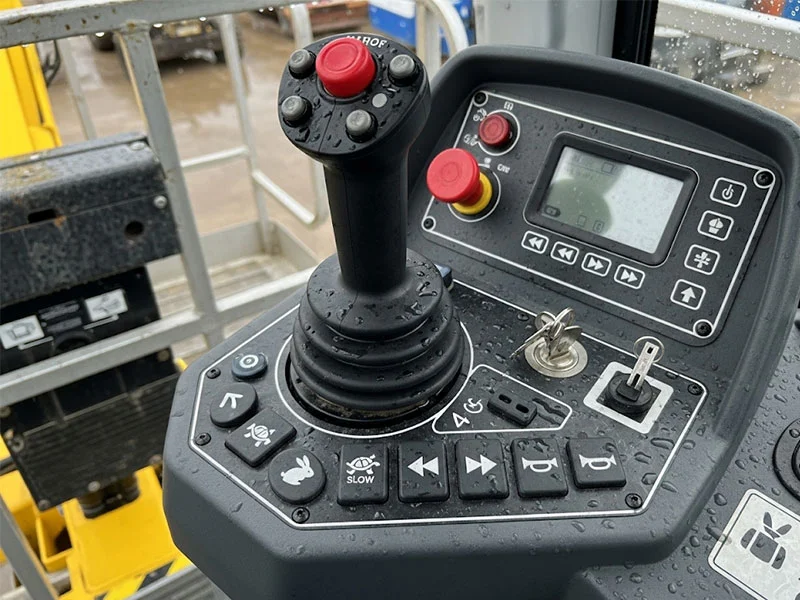
- Controls and E-Stops: Test all controls, including the platform and ground controls, to ensure they’re working correctly. Most importantly, test the emergency stop (E-stop) buttons to confirm they immediately kill all power to the lift.
- Structural Integrity: Inspect the boom, platform, and chassis for any signs of damage, cracks, or welds that look suspect. Check for any missing or damaged decals, which often contain crucial safety information and warnings.
Worksite Assessment:
Even if the lift is in perfect condition, a dangerous worksite can lead to disaster. A thorough assessment of the environment is a must for safe operating a boom lift.
- Ground Conditions: The lift must be operated on firm, level ground. Unstable or uneven surfaces can cause the machine to tip over. Use outriggers or stabilizers as directed by the manufacturer to ensure a stable base.
- Overhead Obstructions: Look up! Power lines are a massive hazard. Always maintain a safe distance from all power lines, as specified by regulations. Be mindful of tree branches, building overhangs, and other potential obstacles.
- Weather Conditions: Strong winds, lightning, and heavy rain can make operating a boom lift extremely dangerous. Never operate a lift in high winds, and always follow the manufacturer’s recommendations for safe wind speed limits. If a storm is approaching, secure the lift and get to the ground.
Mastering the Controls: Techniques for Safe Operation
Once you’ve completed your pre-operation checks, you can focus on the actual mechanics of operating a boom lift.
Mounting and Dismounting:
Always use the three points of contact rule when entering or exiting the platform. This means you should have two hands and one foot, or one hand and two feet, in contact with the machine at all times. Never jump on or off the lift.
Basic Control Functions:
The controls typically consist of a joystick or a series of levers for boom articulation, extension, and rotation. There will also be a switch for raising and lowering the platform. The ground controls are essential for maintenance and emergency rescue. A trained spotter or ground crew member should always be present when operating a boom lift, especially in tight spaces.
Smooth and Controlled Movements:
Jerky, sudden movements can cause the lift to sway, potentially throwing the operator off balance. Use the controls smoothly and deliberately. The key to effective operating a boom lift is precision and control.
Understanding the Operating Envelope:
Every boom lift has a specific operating envelope or working range. This is the maximum reach and height the lift can safely achieve. Exceeding this envelope can lead to instability and tipping. Never try to extend the boom further than its designed limit. Be aware of the machine’s load capacity and never exceed it. The weight limit includes the operator, tools, and any materials on the platform.
Communication and Awareness: Working Safely with Others
Operating a boom lift is rarely a solitary task. Effective communication is vital for a safe worksite.
- Designate a Spotter: A trained spotter on the ground can help guide the operator, especially when moving the lift or maneuvering the boom in a crowded area.
- Use Hand Signals: Standardized hand signals can be used to communicate with the spotter or other workers, especially in noisy environments where verbal communication is difficult.
- Alert the Public: Use cones, barriers, and signage to warn the public and other workers that a lift is in operation. This prevents people from walking into the machine’s swing radius or underneath a raised boom.
- Stay in the Platform: Never climb onto the guardrails or use a ladder or other device to gain extra height. The guardrails are there for your safety; stay within them at all times.
Post-Operation Procedures: Securing the Lift
Your job isn’t done until the lift is safely secured. Proper shutdown procedures are just as important as the pre-operation checks.
- Lowering and Retracting: Slowly and carefully lower the boom and retract it to its original, nested position.
- Parking and Securing: Park the lift on a firm, level surface, away from pedestrian traffic and other potential hazards. Engage the brakes, and if possible, use wheel chocks. Remove the key to prevent unauthorized use.
- Final Inspection: Do a quick walk-around to ensure no damage occurred during operation. Report any issues to your supervisor or the equipment manager immediately.
Maintaining Your Boom Lift
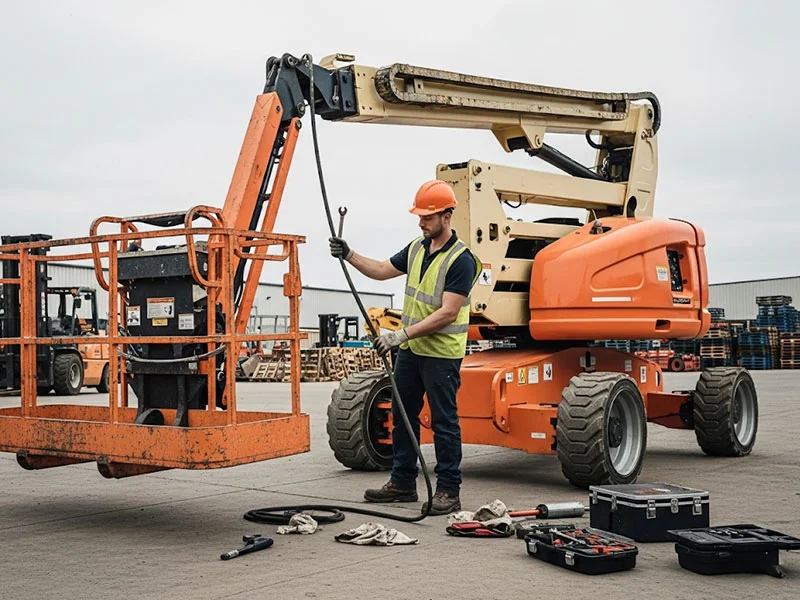
Just like a car, a boom lift requires regular maintenance to stay in safe working condition. A consistent maintenance schedule will extend the life of the machine and prevent dangerous mechanical failures.
- Regular Inspections: Follow the manufacturer’s guidelines for daily, weekly, and monthly inspections.
- Lubrication: Keep all moving parts well-lubricated to reduce wear and tear.
- Fluid Checks: Continuously monitor hydraulic fluid and engine oil levels.
- Professional Servicing: Have the lift professionally serviced by a qualified technician at regular intervals to address any complex mechanical or electrical issues.
A well-maintained lift is a safer lift, reducing the risk associated with operating a boom lift.
Conclusion
Operating a boom lift is an invaluable skill that significantly improves efficiency and safety for jobs at height. By adhering to a strict regimen of pre-operation checks, mastering the controls with smooth and deliberate movements, and communicating effectively with your team, you can mitigate risks and ensure every job is completed safely. Remember, your life and the lives of those around you depend on your commitment to safety. Always stay vigilant, stay trained, and stay safe.
FAQs
Do I need a special license to operate a boom lift?
While it may not be a driver’s license, you do need to be properly trained and certified. OSHA requires all operators to complete a training program that includes both classroom instruction and hands-on practice.
Can I use a boom lift on a slope?
It is generally not recommended to operate a boom lift on a slope. The machine’s stability is compromised on uneven ground, increasing the risk of tipping. Always use the lift on a firm, level surface. Some lifts may have a specific gradeability rating, but it’s always safest to use a lift on a flat surface.
What is the primary cause of boom lift accidents?
The most common causes are tip-overs, falls from the platform, and electrocution from contact with power lines. Tip-overs are often caused by unstable ground conditions or exceeding the lift’s weight capacity. Falls are typically a result of a lack of fall protection, such as a harness and lanyard. Electrocution is a constant threat and can be avoided by maintaining a safe distance from all power lines. These are all risks that can be mitigated by proper training and careful operating a boom lift practices.
How often should I inspect the boom lift?
A visual inspection should be performed before every use. A more detailed inspection should be conducted daily. The manufacturer will also specify a schedule for weekly and monthly inspections, as well as an annual inspection by a qualified professional.
Is it safe to operate a boom lift in the rain?
Light rain is generally fine, but heavy rain can make the ground soft and slippery, and can also reduce visibility. If there is any lightning, you should stop operating a boom lift immediately and seek shelter. Always follow the manufacturer’s guidelines and use your best judgment. When in doubt, it’s better to be safe than sorry.