An EWP, or Elevating Work Platform, is a mechanical device used to provide temporary access for people or equipment to inaccessible areas, usually at height. They’re essential tools in a wide range of industries, from construction and maintenance to warehousing and retail. Understanding the different types of EWP and their specific applications is crucial for safety and efficiency. This guide will walk you through the various kinds of EWP and help you determine which is right for your needs.
What is an EWP?
An Elevating Work Platform(EWP) is essentially a mobile work platform that can be raised and lowered, allowing workers to perform tasks at height. The term Elevating Work Platform is often used interchangeably with other terms like aerial work platform (AWP), mobile elevating work platform (MEWP), and even manlift. Whatever you call it, the primary function of an Elevating Work Platform is to safely lift workers and their tools to elevated positions.
These machines are designed to replace ladders and scaffolding in many situations, offering greater stability, mobility, and safety. A proper understanding of the different types of EWP is essential for any project requiring elevated access. Using the right Elevating Work Platform for the job minimizes risk and maximizes productivity.
.webp)
What are the two basic types of elevating platforms?
At a high level, all Elevating Work Platform can be categorized into two basic types: vertical lifts and articulating/telescopic lifts.
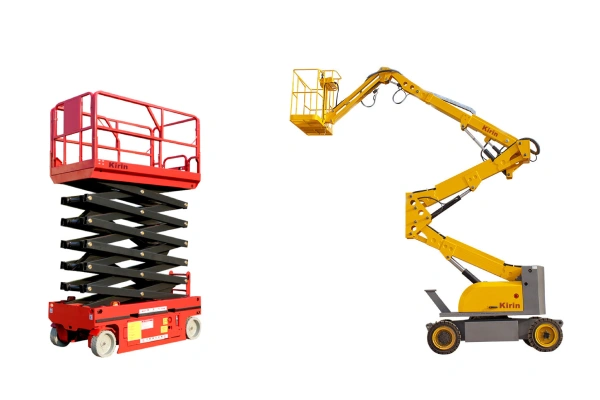
Vertical lifts are designed to move the platform straight up and down. Their primary advantage is their ability to access areas directly above the machine’s base. Scissor lifts and mast lifts fall into this category. The lifting mechanism on these machines operates like a pair of scissors, extending vertically to raise the platform.
Articulating/telescopic lifts are more versatile. These machines feature a boom arm that can extend horizontally and articulate to reach over obstacles. This type of EWP is ideal for jobs that require reaching over buildings, machinery, or other barriers. Boom lifts, including both articulated and telescopic versions, are the best examples of this category.
What are the different uses of each type of EWP?
Different jobs require different types of Elevating Work Platform. Choosing the correct machine is vital for both safety and project completion. Here’s a breakdown of the most common types of EWP and their typical applications.
Scissor lifts
A scissor lift is an EWP with a platform that raises and lowers vertically using a series of crisscrossing metal supports, resembling a pair of scissors. They’re available in both electric and diesel models, making them suitable for both indoor and outdoor use.
Uses:
- Indoor maintenance: Painting, electrical work, and HVAC installation in warehouses and large facilities. Electric scissor lifts are a great Elevating Work Platform for these jobs as they produce zero emissions and operate quietly.
- Construction: Laying brick, installing siding, and other tasks on the exterior of buildings where a straight vertical lift is sufficient.
- Retail and warehousing: Stocking shelves, taking inventory, and other tasks that require a stable, elevated platform in a confined space. A scissor lift is an ideal Elevating Work Platform for these applications due to its large platform size, which can accommodate multiple workers and their tools.
Boom lifts
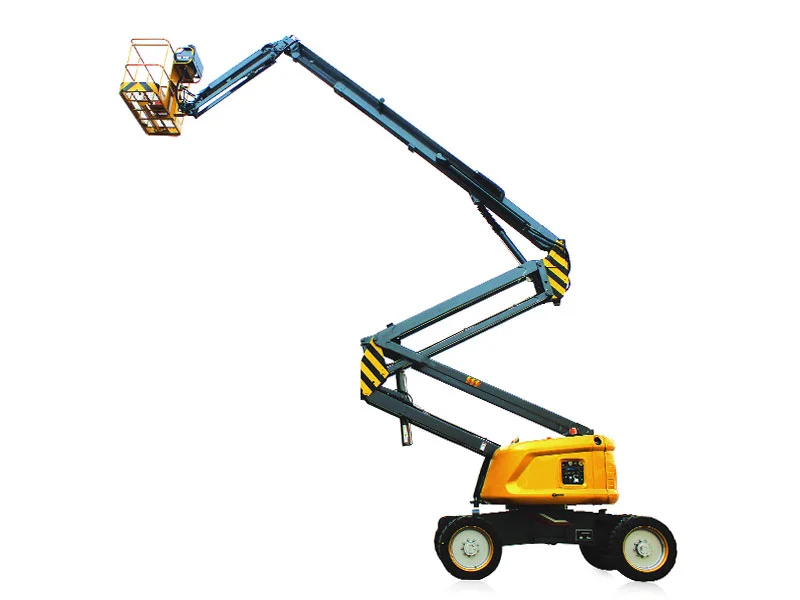
A boom lift is a type of EWP that uses a hydraulic arm, or boom, to extend the work platform. There are two main types of boom lifts: articulated and telescopic.
- Articulated boom lifts have multiple joints in their arm, allowing them to bend and reach over obstacles. This makes them a very versatile Elevating Work Platform.
- Telescopic boom lifts have a straight arm that extends outward. They offer the greatest horizontal reach and are ideal for jobs that require reaching high and far.
Uses:
- Articulated boom lifts: Tree trimming, roof inspections, and reaching over power lines or other obstructions. This type of EWP is indispensable for navigating complex environments.
- Telescopic boom lifts: Bridge inspections, high-rise construction, and large-scale building maintenance. Their impressive reach makes them a go-to EWP for large outdoor projects.
Telehandlers
While not a traditional Elevating Work Platform, a telehandler, or telescopic handler, is a versatile piece of equipment that can be fitted with an elevating work platform. It’s essentially a cross between a forklift and a crane.
Uses:
- Construction: Lifting and moving heavy materials, such as pallets of bricks or lumber, across rough terrain.
- Agriculture: Moving bales of hay, stacking grain, and other tasks that require heavy lifting and high reach.
- Event setup: Placing lighting, speakers, and other equipment in hard-to-reach locations. When equipped with a platform, a telehandler can function as a very capable EWP.
Manlifts
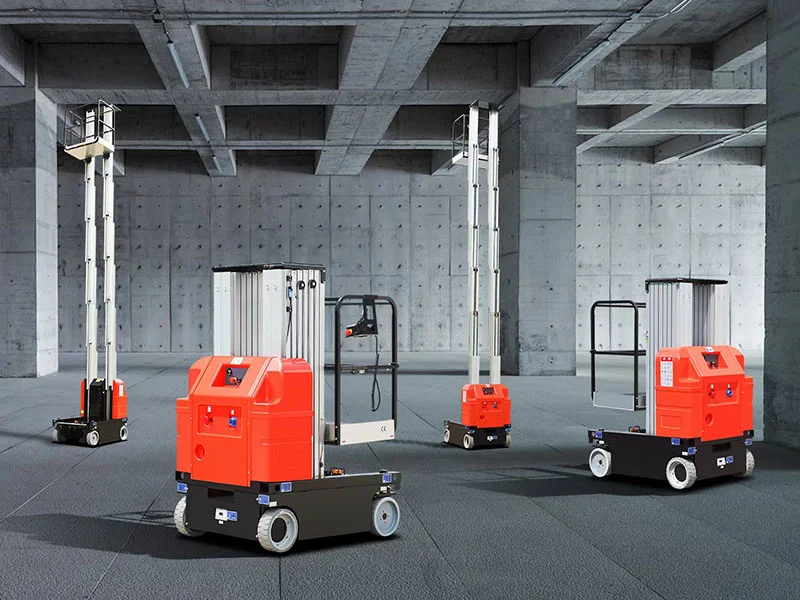
The term manlift is often used as a general term for any type of Elevating Work Platform. However, it can also refer to smaller, more portable lifts designed for one or two people. These are often called vertical mast lifts or mast lifts.
Uses:
- Interior projects: Painting high ceilings, changing light bulbs, and other tasks inside buildings where space is limited. A mast lift is a great EWP for this.
- Maintenance: Performing quick repairs or inspections on machinery in tight spaces.
- Stock picking: In warehouses, a manlift can be used to quickly access items on high shelves.
Conclusion
Choosing the right Elevating Work Platform is a critical decision that affects the safety, efficiency, and cost of a project. Whether you need the straight vertical reach of a scissor lift, the extensive horizontal capabilities of a boom lift, the rugged versatility of a telehandler, or the portability of a manlift, there’s an EWP designed for your specific needs. Always consider the project’s requirements, including height, reach, ground conditions, and obstacles, before selecting your Elevating Work Platform. A well-informed decision ensures a successful and safe operation.
FAQs
Q: What is the primary difference between a scissor lift and a boom lift?
A: A scissor lift provides vertical-only access, while a boom lift offers both vertical and horizontal reach, allowing it to navigate over obstacles.
Q: Are all manlifts considered EWPs?
A: Yes, the term manlift is often used as a synonym for Elevating Work Platform, especially for smaller, vertical mast-style lifts.
Q: Do I need a special license to operate an EWP?
A: Yes, in most jurisdictions, operators are required to be trained and certified to operate an Elevating Work Platform to ensure safe operation and compliance with regulations.
Q: What is the maximum height an EWP can reach?
A: The maximum height of an Elevating Work Platform varies significantly by type and model. Some boom lifts can reach over 150 feet, while most scissor lifts are limited to 50 feet or less.