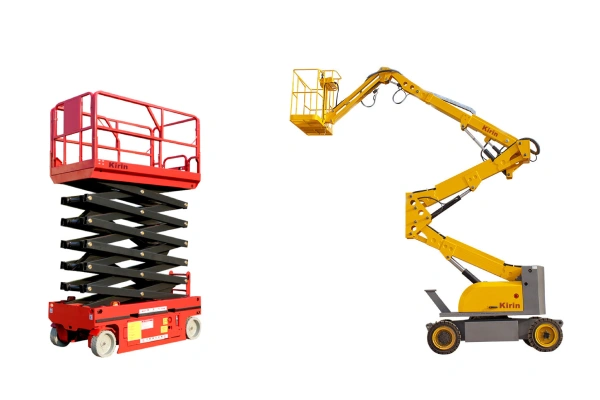
Working at heights can be a daunting task, but with the right knowledge and training, it can be done safely and efficiently. Boom lifts are incredible machines that provide access to hard-to-reach places, but learning how to operate a boom lift is a serious undertaking. This guide is designed for beginners to provide a comprehensive, step-by-step overview of the process, from pre-operation checks to best practices while working.

Part 1: Before You Even Turn the Key – The Pre-Operation Checklist
Before you ever start the engine, a thorough pre-operation check is crucial. This is your first and most important step to ensuring a safe workday. Learning how to operate a boom lift starts on the ground.
1.1 The “Walk-Around” Inspection:
Think of this as a check-up for your machine. You need to inspect every part of the boom lift for any signs of damage or wear.
- Tires: Check for proper inflation, cuts, or bulges.
- Fluid Levels: Verify that hydraulic fluid, engine oil, and coolant are at the correct levels.
- Hoses and Cables: Look for any frays, leaks, or damage.
- Structural Components: Inspect the boom, chassis, and platform for cracks, dents, or other damage.
- Safety Features: Ensure all safety decals, warning lights, and alarms are in good working order.
1.2 Know Your Environment:
The area around your boom lift is just as important as the machine itself. A beginner learning how to operate a boom lift must be acutely aware of their surroundings.
- Ground Conditions: Make sure the ground is level and stable. Avoid soft soil, potholes, and uneven surfaces.
- Overhead Hazards: Identify any power lines, tree branches, or other obstacles that could interfere with the boom lift’s movement.
- Traffic and Pedestrians: Set up cones or barriers to create a safe work zone and prevent accidents.
1.3 Get to Know Your Machine’s Limits:
Every boom lift has a set of specifications that outline its capabilities and limitations. You must be familiar with these before you start.
- Weight Capacity: Never exceed the maximum weight capacity of the platform. This includes the operator, tools, and any materials.
- Working Height and Outreach: Understand the maximum vertical and horizontal reach of your specific boom lift.
Part 2: Climbing Aboard – Operating the Controls
Once your pre-operation checks are complete and you’re confident in your machine and environment, you can climb aboard. This is where you actually learn how to operate a boom lift.
2.1 The Two Sets of Controls:
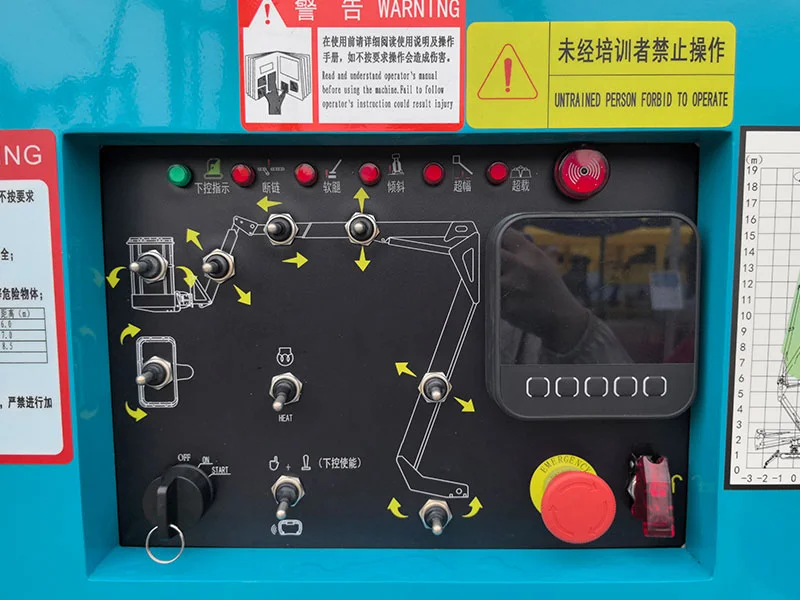
Boom lifts typically have two control panels: one on the ground and one in the basket. The ground controls are for emergencies and for a qualified person to operate the boom lift from a safe distance. The basket controls are what the operator uses to maneuver the lift.
2.2 Getting Into the Basket:
Always use the designated entry and exit points. Secure yourself with a proper harness and lanyard attached to a designated tie-off point in the basket. This is a non-negotiable safety measure.
2.3 Smooth Moves – The Art of the Joystick:
The joystick is your primary tool for movement. The key is to make slow, deliberate, and smooth movements.
- Start with Small Adjustments: Don’t slam the joystick to its maximum position. Gently ease it in the direction you want to go.
- Practice Each Function: Practice moving the boom up, down, in, and out. Practice rotating the turntable and steering the chassis.
- Multitasking is Dangerous: Focus on one movement at a time. Trying to do too many things at once can lead to a loss of control.
Part 3: Safety is a Habit – Best Practices While Working at Height
Operating a boom lift is not just about moving the boom; it’s about maintaining a constant state of safety awareness. Knowing how to operate a boom lift safely is a continuous process.
3.1 Stay Within the Lines:
The boom lift has a clearly defined operating envelope. Never attempt to extend the boom beyond its limits. Overreaching can cause the machine to tip over.
3.2 Be a Pro, Not a Cowboy:
- Don’t Lean Out: Never lean over the guardrails. Always keep your body within the confines of the platform.
- No Stunt Driving: Avoid sudden starts, stops, or turns. Operate the machine with a professional and calm demeanor.
- Don’t Climb on the Rails: The guardrails are for safety, not for standing or climbing on.
3.3 Communication is Key:
If you are working with a team, communication is vital.
- Ground Spotter: Have a trained spotter on the ground who can watch for hazards you might not be able to see from above.
- Use Clear Signals: Establish and use clear hand signals or a two-way radio to communicate with the ground crew.

Conclusion
Learning how to operate a boom lift requires proper training, a solid understanding of the machine’s capabilities, and an unwavering commitment to safety. This guide has provided you with the foundational knowledge you need as a beginner. Remember that this information is not a substitute for formal training and certification. Always seek professional instruction before operating a boom lift on a job site. Stay safe, stay smart, and get the job done right.
FAQs
Q:Do I need a special license to operate a boom lift?
A:While specific licensing requirements can vary by location, OSHA requires all operators to be trained and certified.
Q:What should I do if the boom lift starts to tip?
A:Immediately stop all operations. Do not attempt to jump from the basket. Hold on tightly and wait for help.
Q:Can I operate a boom lift in windy conditions?
A:Most manufacturers specify a maximum wind speed for safe operation. Always check the machine’s manual and never operate in strong winds.