Introduction
When it comes to material handling and aerial access equipment, two terms often come up: “boom lift” and “forklift.” While both are invaluable machines in various industries, they serve distinct purposes and possess unique characteristics. This post will delve into the fundamental differences between boom lifts and forklifts, helping you understand when to use each and clarify any lingering confusion.
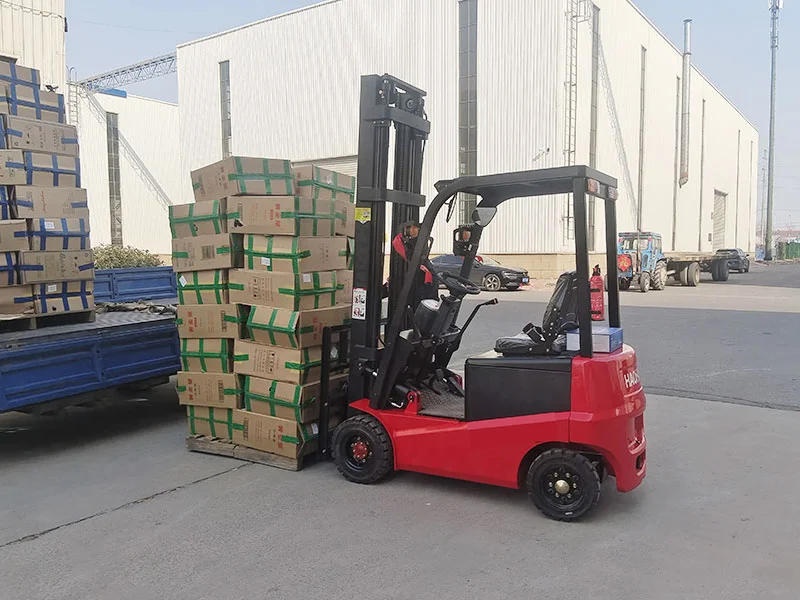
What is a Forklift?
A forklift, also known as a lift truck, is a powered industrial truck used to lift and move materials over short distances. Its primary feature is a pair of forks at the front that can be raised and lowered to engage with pallets or other transportable loads. Forklifts are essential in warehouses, distribution centers, manufacturing facilities, and retail environments for tasks like:
- Loading and unloading trucks
- Stacking and retrieving palletized goods
- Transporting materials within a facility
- Organizing inventory
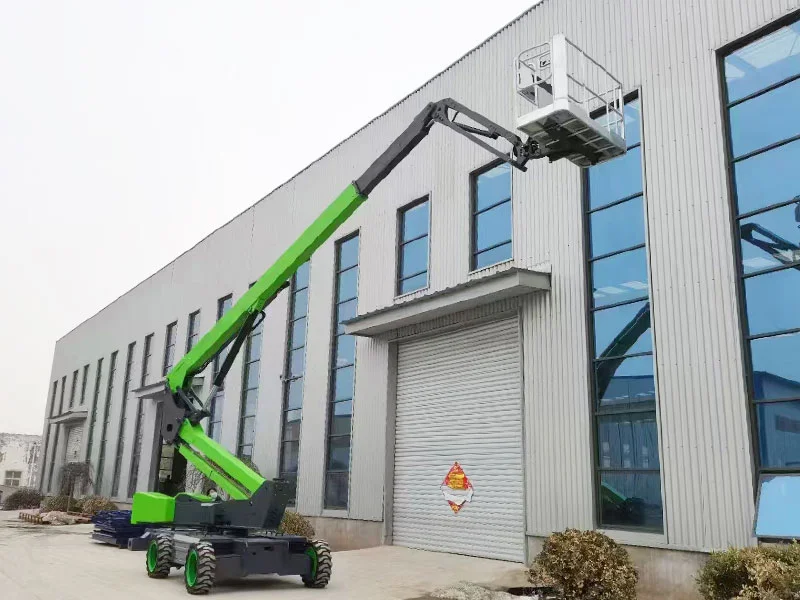
What is a Boom Lift?
A boom lift, also commonly referred to as an aerial work platform (AWP), cherry picker, or man lift, is a type of aerial lift used to elevate workers and their tools to significant heights. Unlike a forklift, a boom lift is designed for vertical and horizontal reach, allowing access to elevated work areas. They feature a platform or bucket at the end of a hydraulic “boom” that can extend and articulate in various directions. Boom lifts are crucial for tasks such as:
- Construction and maintenance of buildings
- Tree trimming
- Utility work (e.g., power lines)
- Exterior painting and cleaning
- Inspections at height
- Film and event rigging
The versatility of a boom lift makes it indispensable for jobs requiring elevated access.
Key Differences: Boom Lift vs. Forklift
While both machines are integral to many operations, their core functions and designs differ significantly.
| Feature | Boom Lift | Forklift |
| Primary Use | Elevating personnel and tools for aerial work | Lifting and transporting materials on the ground |
| Reach | Vertical and horizontal | Vertical (primarily) |
| Load Type | Personnel and light tools | Palletized goods, heavy materials |
| Mobility | Often designed for outdoor and uneven terrain | Primarily for indoor and paved surfaces |
| Operator | Typically requires specific AWP certification | Requires forklift operator certification |
| Key Component | Articulating/telescoping boom with platform | Forks |
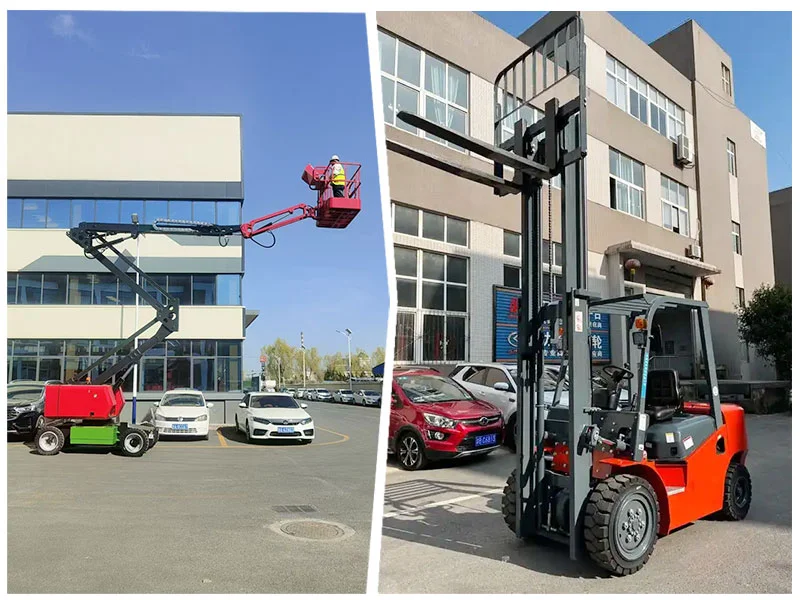
The “Gray Area” / When Confusion Arises
Confusion between boom aerial lifts and forklifts sometimes arises due to certain specialized equipment or a misunderstanding of their capabilities. For instance:
- Telehandlers (Telescopic Handlers): These machines can sometimes be mistaken for a hybrid. A telehandler has a telescoping boom like a boom lift, but its primary purpose is to lift and place loads, often with fork attachments. While some telehandlers can be fitted with work platforms, their main function leans more towards material handling, similar to a forklift, rather than dedicated aerial access like a boom lift.
- Rough Terrain Forklifts with Masts: Some heavy-duty forklifts designed for rough terrain might have very tall masts, which can give the impression of reaching significant heights. However, their fundamental design remains focused on lifting and moving materials, not providing a stable, articulated work platform for personnel.
It’s crucial to remember that despite some visual similarities or overlapping capabilities in niche applications, the core design and intended use of a boom aerial lift are for elevating people, while a forklift is for moving materials.
Conclusion
Understanding the distinct roles of a boom lift and a forklift is vital for workplace safety and efficiency. A forklift is your go-to for ground-level material handling and transportation, while a boom aerial lift is indispensable for safe and effective access to elevated work areas. Choosing the right equipment for the job not only ensures operational success but also significantly contributes to a safer working environment. Always ensure operators are properly trained and certified for the specific equipment they are using, whether it’s a boom lift or a forklift.
FAQ’s
Q1: Can a forklift be used to lift people?
A1: Generally, no. Standard forklifts are not designed or safe for lifting personnel. Specialized work platforms can sometimes be attached to forklifts for very specific, controlled tasks, but this requires strict adherence to safety regulations and specialized equipment. A boom lift is the appropriate equipment for lifting people.
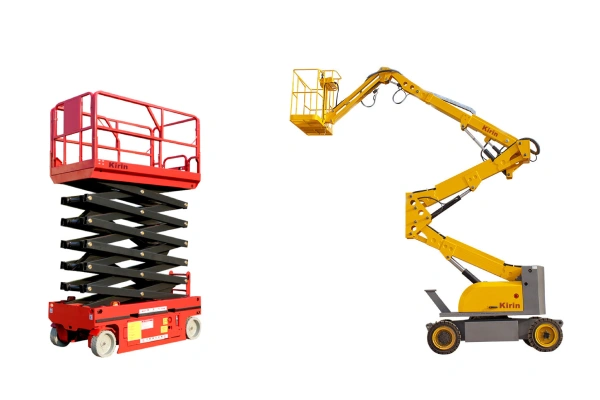
Q2: What’s the difference between a boom lift and a scissor lift?
A2: Both are aerial work platforms. A boom lift offers horizontal and vertical reach via an articulating or telescoping arm, allowing it to navigate obstacles. A scissor lift primarily provides vertical elevation straight up and down using a crisscrossing “scissor” mechanism.
Q3: Is a telehandler a type of boom lift?
A3: Not exactly. While a telehandler has a boom, its primary function is material handling with forks, similar to a forklift. Some telehandlers can be equipped with personnel work platforms, but they are generally classified as versatile material handlers rather than dedicated aerial work platforms like a boom lift.
Q4: Do I need a special license to operate a boom lift?
A4: Yes, operating a boom lift (and other aerial work platforms) typically requires specific training and certification to ensure safe operation. This training covers machine operation, safety procedures, and hazard recognition.